
As someone who has spent years wandering through Beijing’s hutongs and bustling food streets, I can tell you that this city has a culinary soul that goes far beyond what any tourist guidebook will tell you. Beijing’s food scene is deep, complex, and deeply rewarding for anyone willing to look past the obvious. Forget the generic Chinese takeaway your local neighborhood joint serves, and get ready to discover dishes that have been perfected over centuries of imperial history.
What to Order as a First-Timer in Beijing

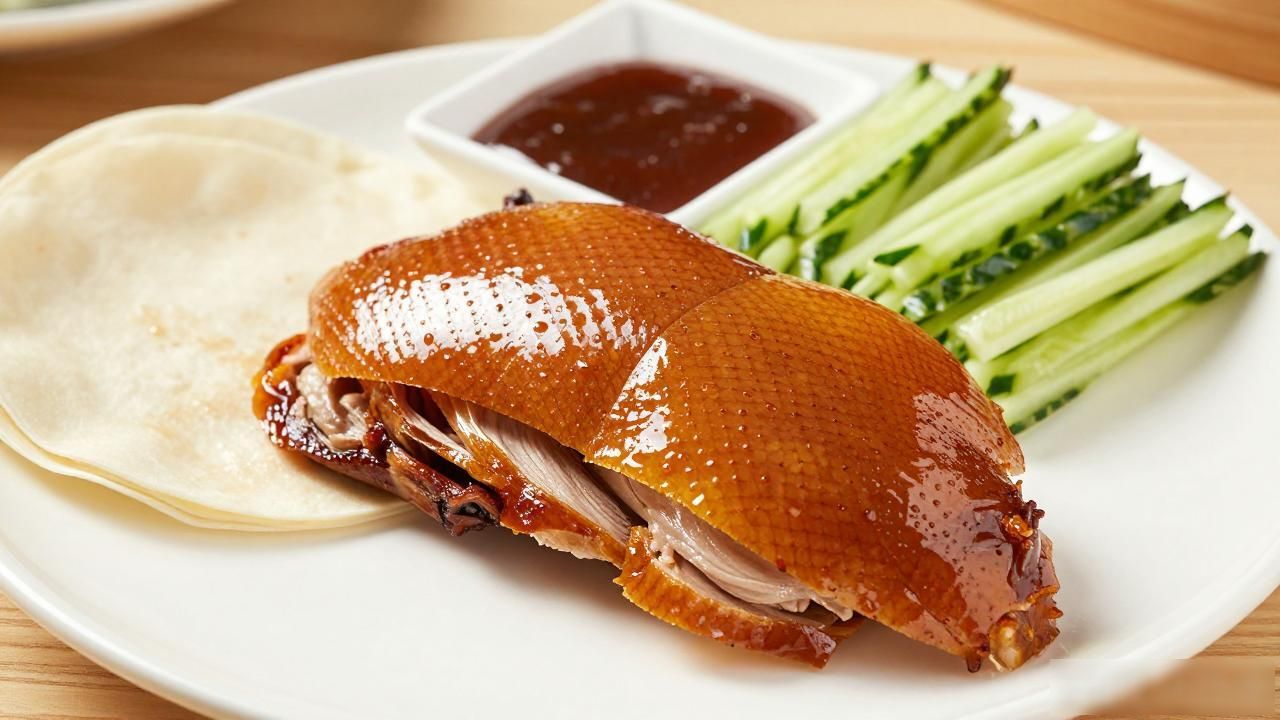
If you only eat one meal in Beijing, let it be Peking duck. This is not just a dish; it is an institution. The thin, lacquered skin that shatters between your teeth, the silky tender meat, the warm steamed buns slathered with sweet bean sauce and julienned cucumber — it is a sensory experience that has drawn emperors and presidents alike. Places like Quanjude are famous, but locals often send visitors to Siji Minfu instead, where the queues are long and the reward is worth every minute of waiting.
Beyond duck, Beijing offers several dishes that define its regional identity. Zhajiangmian, a bowl of hand-pulled noodles smothered in rich fermented soybean paste sauce with fresh vegetables, is the city’s ultimate comfort food. You will find it served in humble eateries everywhere, from five-star hotels to street-side stalls with plastic stools. It is affordable, deeply satisfying, and completely authentic. Another essential is hot pot during the colder months, where you cook thin slices of lamb and beef in a bubbling broth at the center of your table, surrounded by friends and the comforting haze of sesame oil.
The best time to try Beijing’s seasonal specialties is between late autumn and early winter, when the city’s heartier dishes shine brightest and street vendors fill the air with fragrant smoke.
Street Food and Night Markets Every Visitor Should Experience
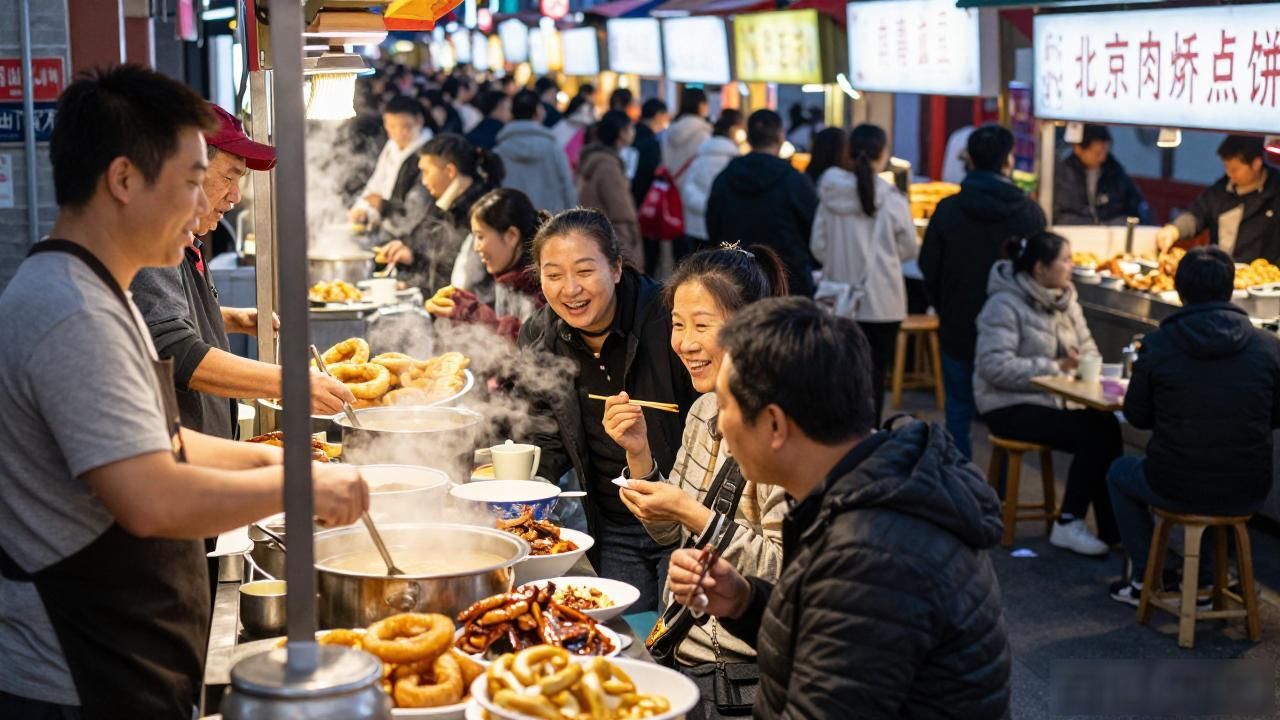
Walking through Wangfujing Snack Street or the newer Liangma Village Food Market feels like stepping into a different world. Here, the food moves fast, the spices are bold, and every stall tells a story of Beijing’s working-class food heritage. Jianbing, a savory crepe filled with crispy crackers, scallions, and cilantro, is the perfect breakfast for someone exploring the city on foot. The woman behind the griddle flips it with practiced ease while the crowd waits patiently for their turn.
Don’t sleep on tanghulu, the candied hawthorn berries on a stick that line every corner stand. They are crunchy, tart, and impossibly sweet all at once. Some modern vendors experiment with strawberries, grapes, or even whole kumquats,but the classic hawthorn version remains the most deeply rooted in tradition. Pair these snacks with a glass of warm douzhi, a fermented mung bean milk that adventurous eaters swear by and others approach with serious hesitation.
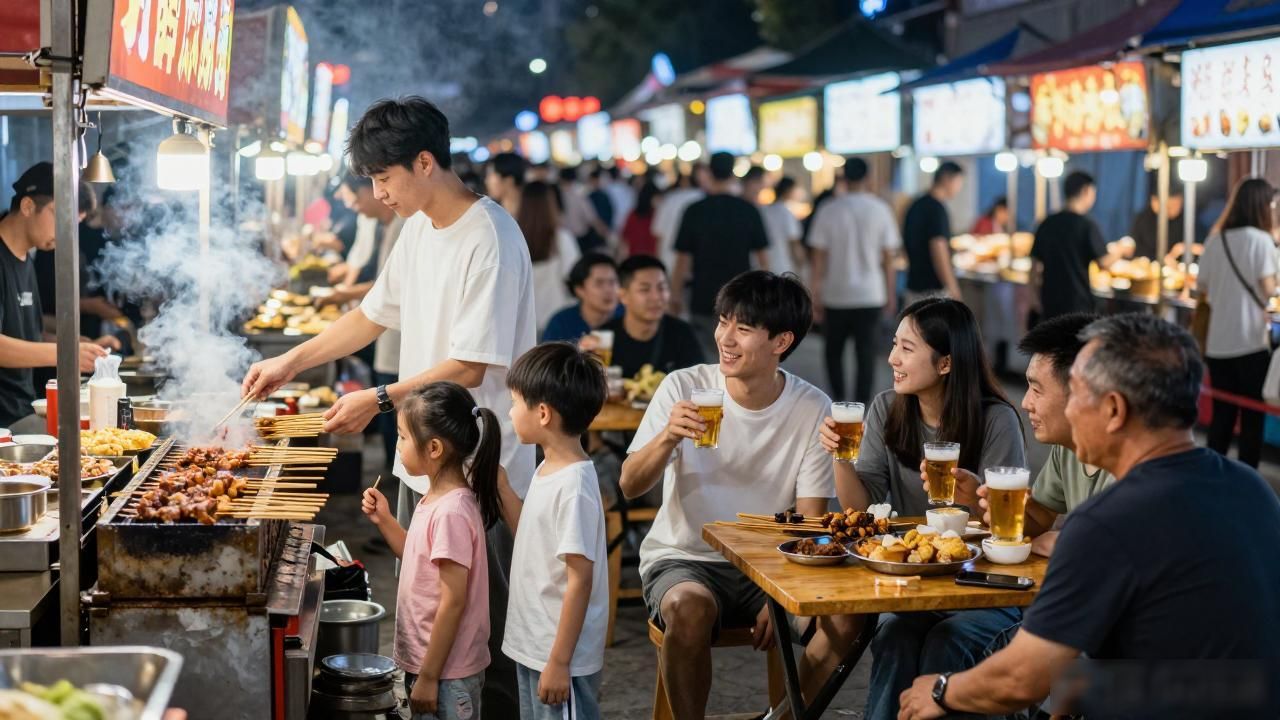
Visiting night markets after dark reveals a side of Beijing that daytime tourists rarely see, where young families, college students, and old locals mingle over steaming skewers and cold beer.
For the truly curious traveler, venturing into the Xicheng district on a Friday evening offers some of the most vibrant street food scenes in the entire city. You do not need to speak Mandarin to navigate these markets. Point, smile, and let the aromas guide your choices. Beijing’s food culture rewards the bold and patient in equal measure, and every meal becomes a memory worth carrying home.