
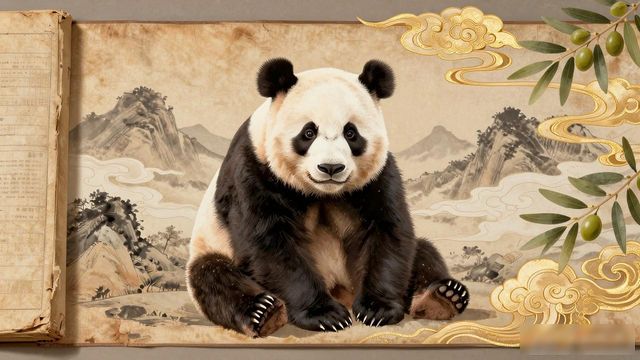
The giant panda is far more than a cute face or a zoo attraction. For centuries, this black-and-white bear has carried deep cultural meaning in China, and today it stands as one of the most recognizable symbols on the planet. Understanding what the panda represents helps explain not only Chinese values but also how soft power works in the modern world. This article breaks down the real significance behind the panda as a cultural icon.
Why the Panda Became a Symbol of Peace and Friendship

The panda’s role as a peace ambassador did not happen by accident. In ancient China, the panda was rarely seen by ordinary people, which gave it an almost mythical status. Early Chinese texts described it as a gentle creature that never attacked humans, linking it to harmony and balance. This imagery fit perfectly with Confucian ideals of living peacefully with nature and others.
During the Tang Dynasty, pandas were sometimes given as gifts to foreign rulers, a tradition that later evolved into what the world now calls “panda diplomacy.” When China began sending pandas to zoos in the United States and Japan in the 1970s, the message was clear: we want to build bridges, not walls. Each panda loan became a gesture of goodwill, and the bears themselves turned into living proof that cooperation between nations is possible.
The panda also embodies the Chinese concept of “he” or harmony. Its black-and-white coloring is often interpreted as a visual representation of yin and yang, the two opposing forces that must be balanced for the world to function properly. For many Chinese people, the panda is a reminder that peace is not about eliminating differences but about finding a way for opposites to coexist.
How the Panda Reflects Modern Chinese Values and Global Influence
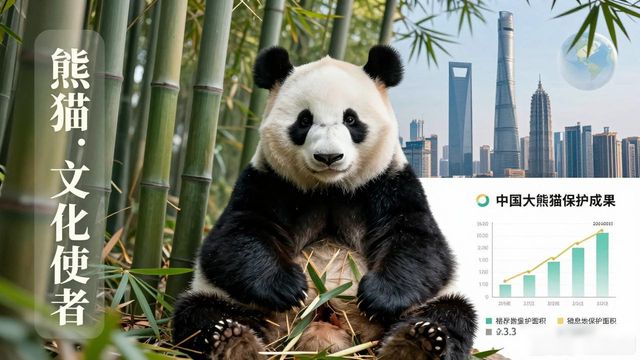
Fast forward to today, and the panda has become a central tool in China’s global branding strategy. When you see a panda logo on a product, a movie, or a cultural event, it is not just decoration. It is a deliberate attempt to associate China with qualities like gentleness, environmental care, and innocence. This is especially important as China tries to reshape its image on the world stage.
The panda also speaks to environmental concerns that matter to people everywhere. As an endangered species that relies on bamboo forests, the panda has become a mascot for conservation efforts worldwide. The World Wildlife Fund chose the panda as its logo for a reason: it is universally loved and its struggle for survival mirrors the broader fight to protect the planet. For Western audiences, the panda connects China to a global movement, not just a national one.
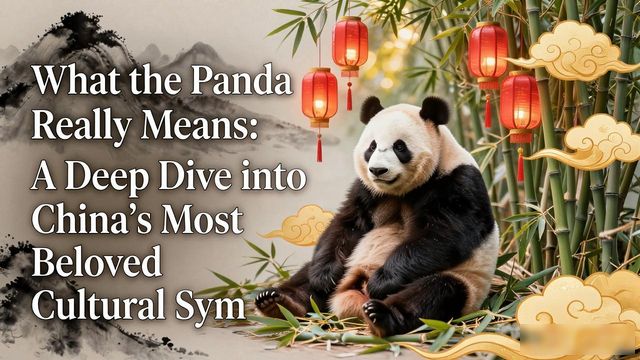
At the same time, the panda carries a sense of national pride. Chinese people see the panda as uniquely theirs, a creature that cannot be found anywhere else in the wild. This exclusivity creates a powerful emotional bond. When a panda is born in a foreign zoo, it is celebrated not just by animal lovers but by Chinese communities as a symbol of heritage and belonging. The panda reminds both Chinese citizens and the world that some things are worth protecting because they are irreplaceable.
The panda cultural symbol is not static. It has grown from an ancient myth into a modern ambassador,and from a national treasure into a global icon. Whether you see it in a zoo, on a T-shirt, or in a diplomatic announcement, the panda carries a message that goes far beyond cuteness. It speaks to peace, balance, and the shared responsibility we all have to protect what matters.