
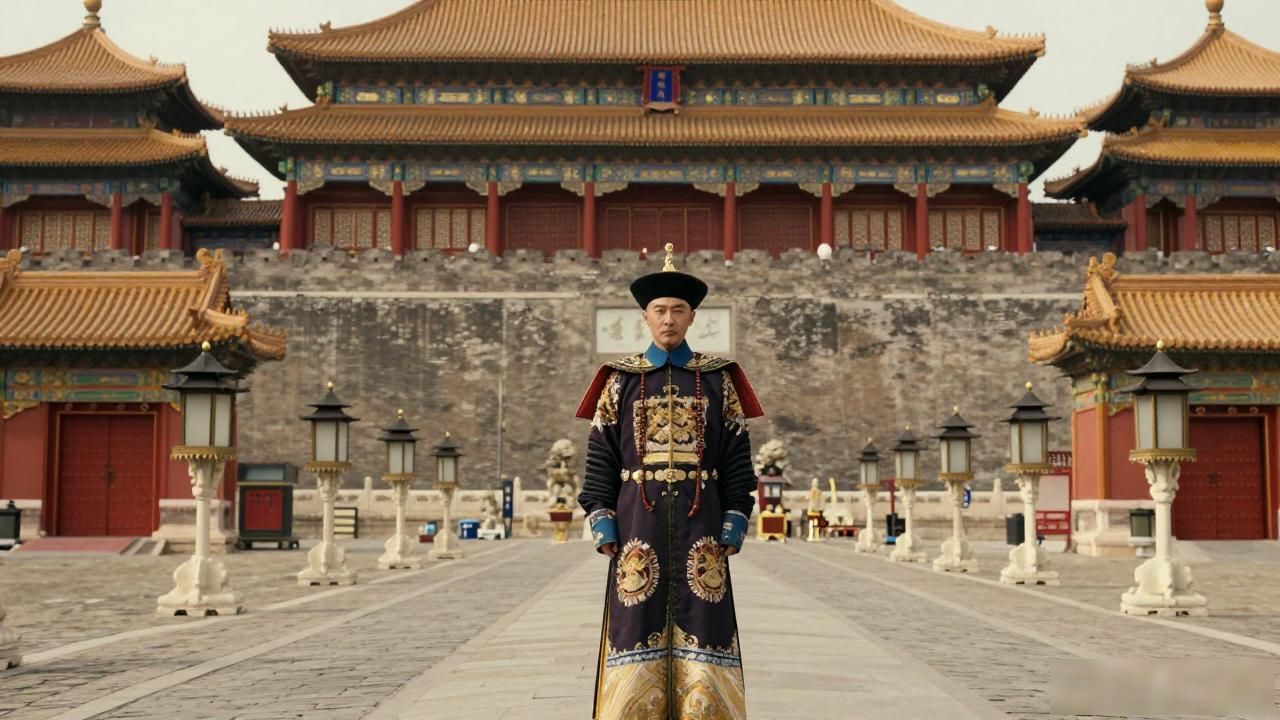
Having guided dozens of international visitors through these crimson corridors over twenty years, I have come to realize something: the Forbidden City is not merely an architectural wonder but a living archive of human ambition, betrayal, and survival. Behind every golden roof and carved dragon pillar, there are stories that transform cold stone into breathing history. These tales deserve to be told, and they deserve to be heard by those willing to walk slowly through its gates.
Who Were The Most Powerful Eunuchs In Forbidden City History

Huan Zhen stands as perhaps the most consequential figure among them. He served three emperors across the twilight of the Qing dynasty, accumulating wealth and influence that rivals anything recorded in Chinese history. Some accounts suggest his fortune exceeded the entire national treasury of his era. He bought his way into positions of trust,manipulated court appointments, and controlled access to imperial decisions.
His role in the succession crisis of 1875 determined the fate of an empire. When the Tongzhi Emperor died childless, Huan Zhen supported the selection of the young Guangxu, ensuring his own continued dominance. Through careful maneuvering, he placed loyalists in key positions throughout the court bureaucracy.
The tragedy is that his ambitions contributed directly to the dynasty’s collapse. A court consumed by internal intrigue was unable to confront the external threats gathering on China’s borders. His story illustrates how deeply the eunuch system corrupted imperial governance during its final centuries.
Which Forbidden City Emperor Had The Tragic Story
The Yongle Emperor’s tale begins with blood. He seized the throne from his nephew through civil war, ordering the execution of thousands who opposed him. To legitimize his rule, he undertook the massive construction project that produced the Forbidden City we know today. Over a hundred thousand workers labored for fourteen years in brutal conditions.
Centuries later, the Xianfeng Emperor faced an entirely different kind of suffering. When Anglo-French forces approached Beijing in 1860, he abandoned the city and fled to Chengde. He died there at thirty-one, broken and humiliated, watching his capital burn from a distance.
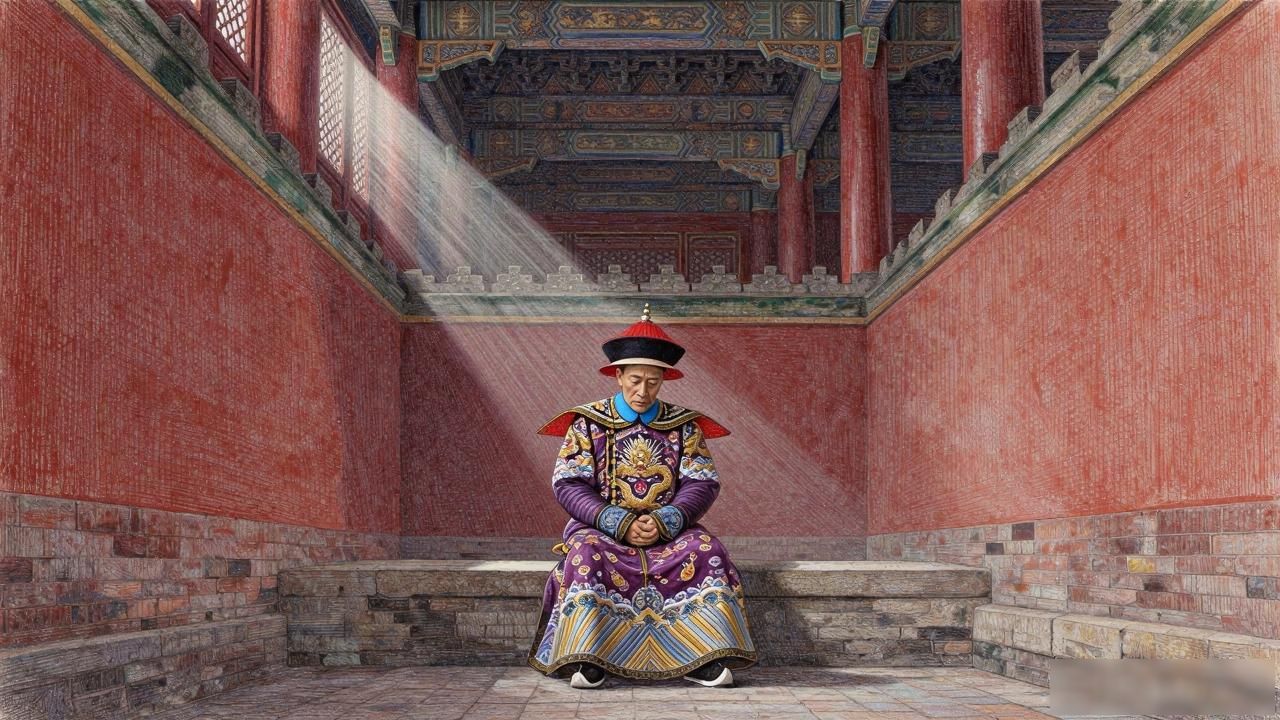
The Guangxu Emperor endured perhaps the cruelest fate. He launched a reform movement to modernize China but was placed under house arrest by the formidable Ci’xi. For the final thirty-four years of his life, he remained confined within these palace walls, a prisoner in his own home. He died at forty partially blind and reportedly poisoned, though the exact circumstances remain debated by historians.
Every corridor in the Forbidden City carries the echoes of these lives. When you walk through its gates today, you are treading paths worn smooth by emperors, eunuchs, concubines, and servants whose dreams and disasters shaped a civilization. I always tell my visitors: look closely at the door thresholds, cracked and worn from centuries of footsteps. Those small marks connect you to real human beings who lived, loved, lost everything, and died within these walls. The Forbidden City keeps their secrets, and it rewards those patient enough to listen.