
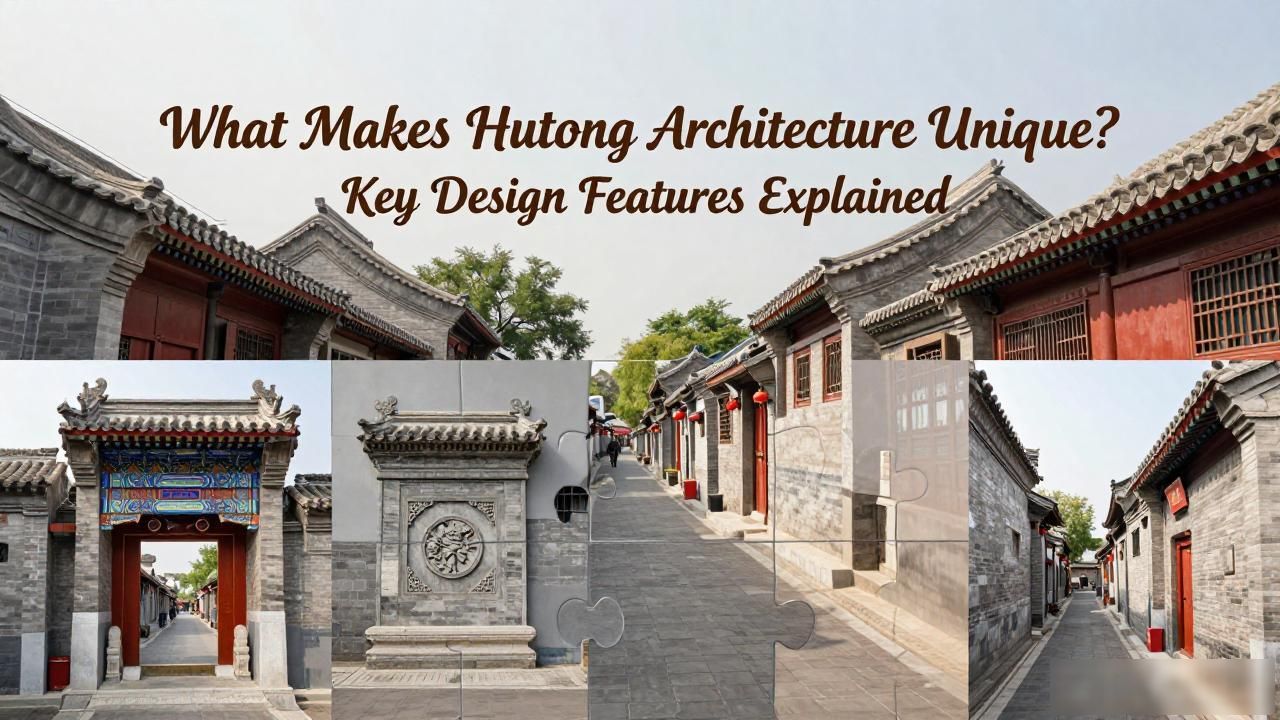
Walking through the narrow alleys of Beijing, you are not just seeing old buildings; you are stepping into a living museum of urban planning. Hutong architecture represents a distinct cultural identity that balances community living with functional design. Unlike sprawling modern suburbs, these traditional neighborhoods were built to foster close-knit social bonds while adapting to the harsh northern climate. The layout is not random but follows a precise logic rooted in centuries of history and practical necessity.
How do courtyard houses define hutong living spaces?

The core unit of this architectural style is the Siheyuan, or courtyard house. This structure revolves around a central open space that acts as the heart of the home. Families gather here for daily activities, from drying clothes to enjoying tea in the shade. The design creates a private oasis within the public alley, shielding residents from wind and noise. Walls are high and solid,ensuring security and privacy while maintaining a strong sense of enclosure.
Inside, rooms are arranged symmetrically to reflect Confucian family hierarchies. The main hall faces south to capture sunlight, which is crucial during cold winters. Side rooms serve as living quarters for extended family members or guests. This spatial arrangement prioritizes family unity and respect for elders. The courtyard itself often features potted plants, stone tables, and sometimes a small well, turning the empty space into a vibrant area for social interaction and relaxation.
Why are grey bricks and wooden details significant?
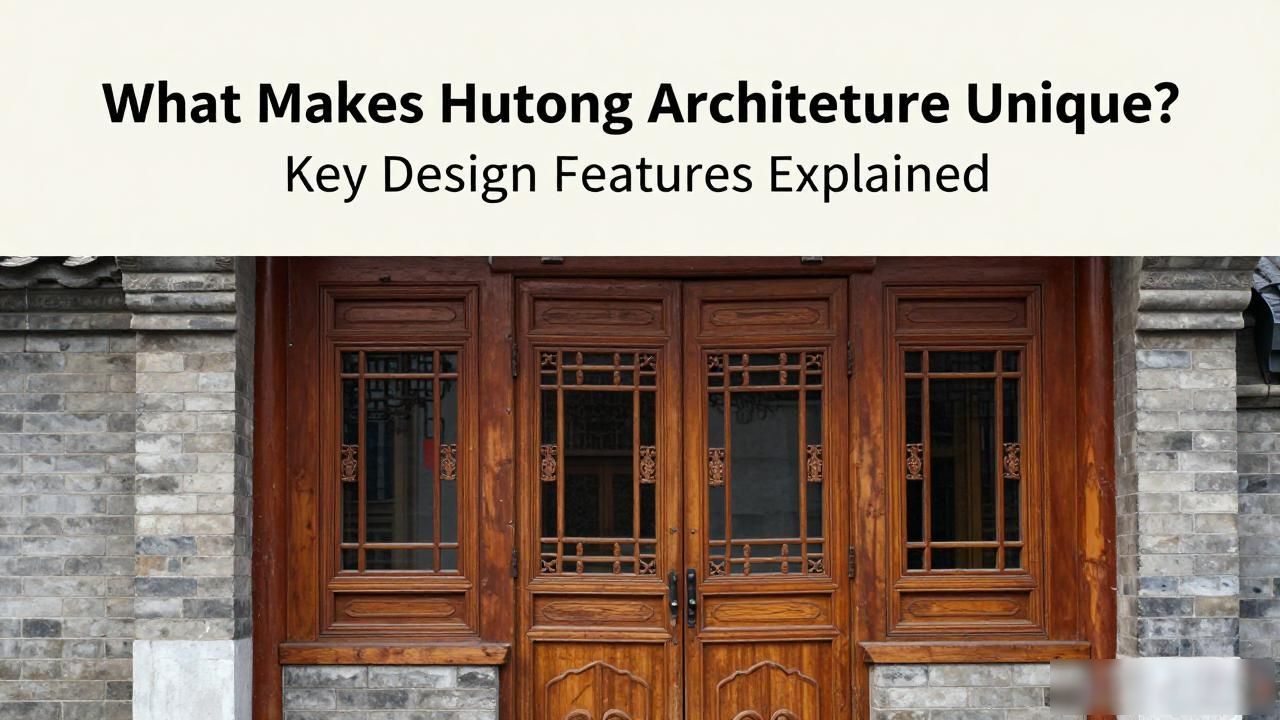
The aesthetic of hutongs is defined by its simplicity and material honesty. Grey bricks and dark tiles dominate the visual landscape, creating a uniform and solemn atmosphere that has remained unchanged for generations. These materials are durable and locally sourced, making them economical and sustainable. The grey color also helps absorb heat slowly, providing natural insulation against temperature fluctuations.

Wooden structures support the roofs and form intricate latticework on windows and doors. Carvings often depict auspicious symbols like bats or fish, representing good fortune and abundance. These decorative elements add cultural depth without overwhelming the structural integrity. The combination of sturdy brick walls and delicate woodwork showcases a harmony between strength and elegance. This balance allows the buildings to withstand time while retaining their artistic charm.
Today, preserving these features is vital for maintaining Beijing’s historical character. Modern renovations often struggle to keep the original spirit alive, yet the essence remains in the layout and materials. Understanding these designs helps appreciators see beyond mere aesthetics to the lifestyle they support. The hutong is more than a building type; it is a testament to human adaptation and community resilience.