
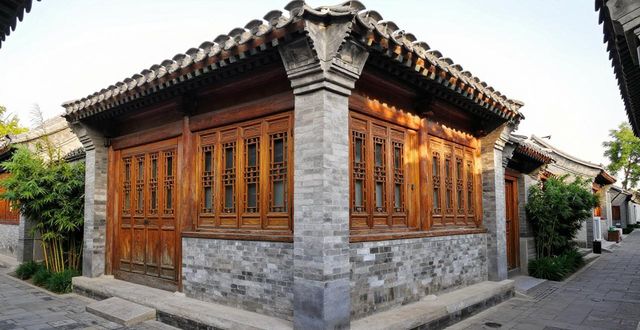
Hutongs are more than just narrow alleys in Beijing – they are living museums of traditional Chinese housing design. For centuries, these courtyard-based neighborhoods have shaped how families lived, worked, and connected with their communities. Understanding hutong architecture means looking beyond the gray brick walls and curved roofs; it is about discovering a clever system of space, light, and social order that has survived dynasties, wars, and now rapid modernization. In this article, I will walk you through the most distinctive features of hutong buildings, from the iconic siheyuan courtyard layout to the practical use of materials, so you can truly appreciate why these lanes hold such a special place in Chinese culture.
What makes a siheyuan so special
The siheyuan, or courtyard house, is the heart of any hutong. Picture a square plot of land with buildings on all four sides – north, south, east,and west – all facing inward toward a central open yard. The north-facing main house, which gets the best sunlight, was traditionally reserved for the head of the family. The east and west wings housed adult children or guests, while the south building near the gate served as the family’s reception or service area. This layout wasn’t random; it reflected Confucian values of hierarchy and privacy. The courtyard itself became an outdoor living room where children played, elders practiced tai chi, and families ate together under the sky. Even today, walking into a well-preserved siheyuan feels like stepping into a quiet world apart from the city’s chaos.

How do gray bricks and wood work together
Step into any hutong, and you will notice the consistent use of gray brick for walls and richly carved wood for beams, doors, and window lattices. The bricks were often handmade from local clay, fired until they achieved a muted blue-gray tone that blends harmoniously with the sky and soil. Builders stacked them using a technique called “ginger-tooth” bonding, which created walls thick enough to keep interiors cool in summer and warm in winter. Wooden columns and lintels, painted in dark red or left natural, supported the heavy roofs and allowed for intricate carvings of dragons, flowers, and lucky symbols. Unlike Western stone castles, hutong architecture prioritized flexibility and repair – a broken brick could be replaced, and a rotten beam swapped out, without tearing down the whole structure. This practical modularity is one reason some hutong houses have stood for over 500 years.
Why are the roofs always curved
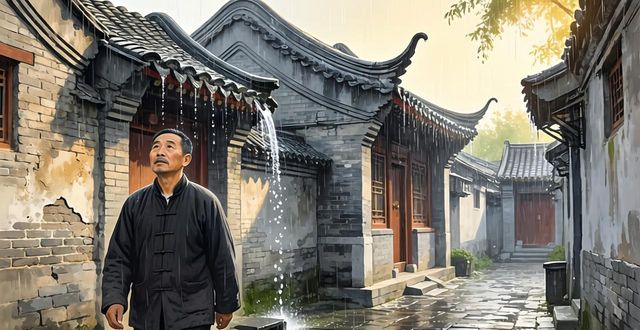
Look up while walking through a hutong, and you will see gently sloping roofs with upward-curving eaves. This design is not just decorative; it serves three clever purposes. First, the curve channels rainwater away from the walls and into the courtyard drains, preventing flooding during Beijing’s summer storms. Second, the wide eaves cast shade onto the windows during the hottest months while allowing low winter sunlight to enter the rooms. Third, those upturned corners, often decorated with ceramic animal figures like lions or dragons, were believed to scare away evil spirits. The roofs were covered with semicircular gray tiles laid in overlapping rows, a method that allowed hot air to rise and escape through small gaps while keeping rain out. You will also notice that wealthier families had higher roof ridges and more elaborate ornaments – a subtle status signal that neighbors could read from across the alley.
What about the little details inside the home
Beyond the big structure, hutong architecture shines in its small but thoughtful details. Look at the moon gate, a circular doorway that leads from one courtyard to another – its shape symbolizes unity and completeness in Chinese culture. The window lattice patterns, often made of wooden strips arranged as ice rays or crossed squares, were designed to block direct views from the street while letting in plenty of air and dappled light. Inside a typical siheyuan, you would find heated sleeping platforms called “kang,” which used a flue system connected to the kitchen stove. Warm smoke traveled under the brick bed before exiting through a chimney, keeping the family cozy through freezing winters without wasting fuel. Even the thresholds of doors were raised high to keep out dust and evil influences, forcing visitors to step up – a gesture of respect. These features show that hutong builders thought about comfort, symbolism, and efficiency long before modern green architecture became fashionable.
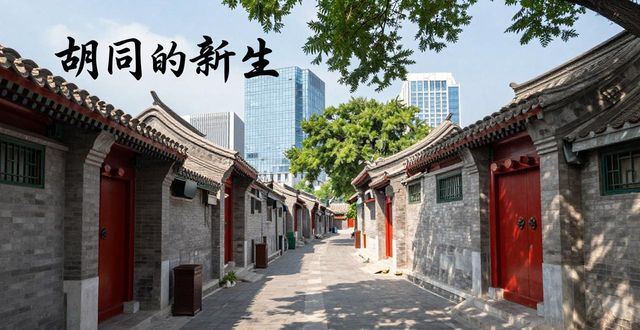
Are hutongs disappearing or being saved
This is a question every visitor asks after seeing a row of old houses marked with “demolition” signs. The truth is complicated. Since the 1990s, Beijing has torn down thousands of hutong houses to make way for wide roads and high-rises. However, a growing preservation movement now protects many historical areas, such as the neighborhoods around Shichahai and Nanluoguxiang. Some siheyuans have been carefully restored, with modern plumbing and electricity hidden inside original walls. Others have been transformed into boutique hotels, museums, or community art spaces that keep the old spirit alive. Yet challenges remain: aging infrastructure, high population density, and the desire for private bathrooms mean many residents still prefer modern apartments. The best hope lies in adaptive reuse – keeping the courtyard layout and brick walls while upgrading interiors for contemporary life. When you visit, look for the plaques that say “protected historical building” – those are the hutongs fighting to survive.
Now I would love to hear your thoughts: If you had the chance to live in a restored siheyuan for one year, what modern convenience would you be least willing to give up, and why? Share your answer in the comments, hit like if you enjoyed this deep dive into Beijing’s hidden alleys, and pass it along to a friend who dreams of traveling to China.