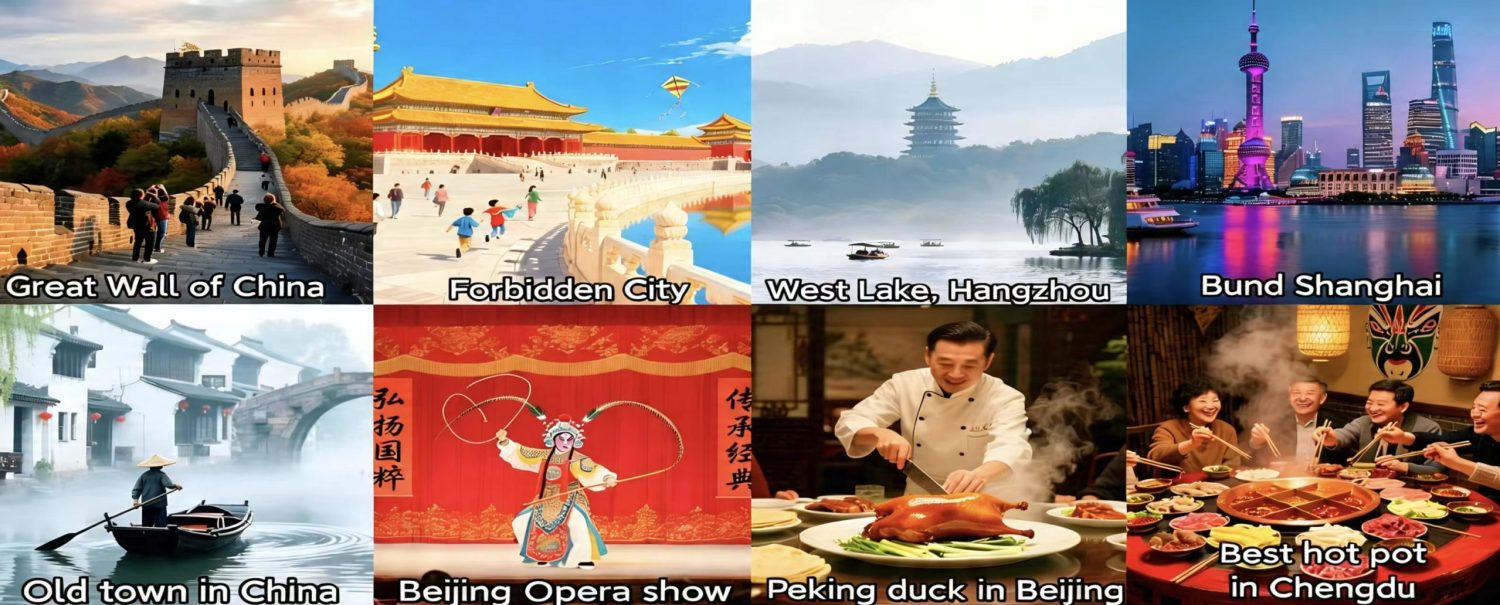
Spring Festival in China is far more than a line item on the public holiday calendar. It is a twelve-day cultural reset involving family reunions, red envelopes,temple visits, and rituals that even many Chinese people struggle to fully articulate. For a foreigner, the whole thing can look chaotic and confusing. Here is a plain-language look at what is actually happening and why it matters to anyone doing business or living in the country.
What does Spring Festival in China mean

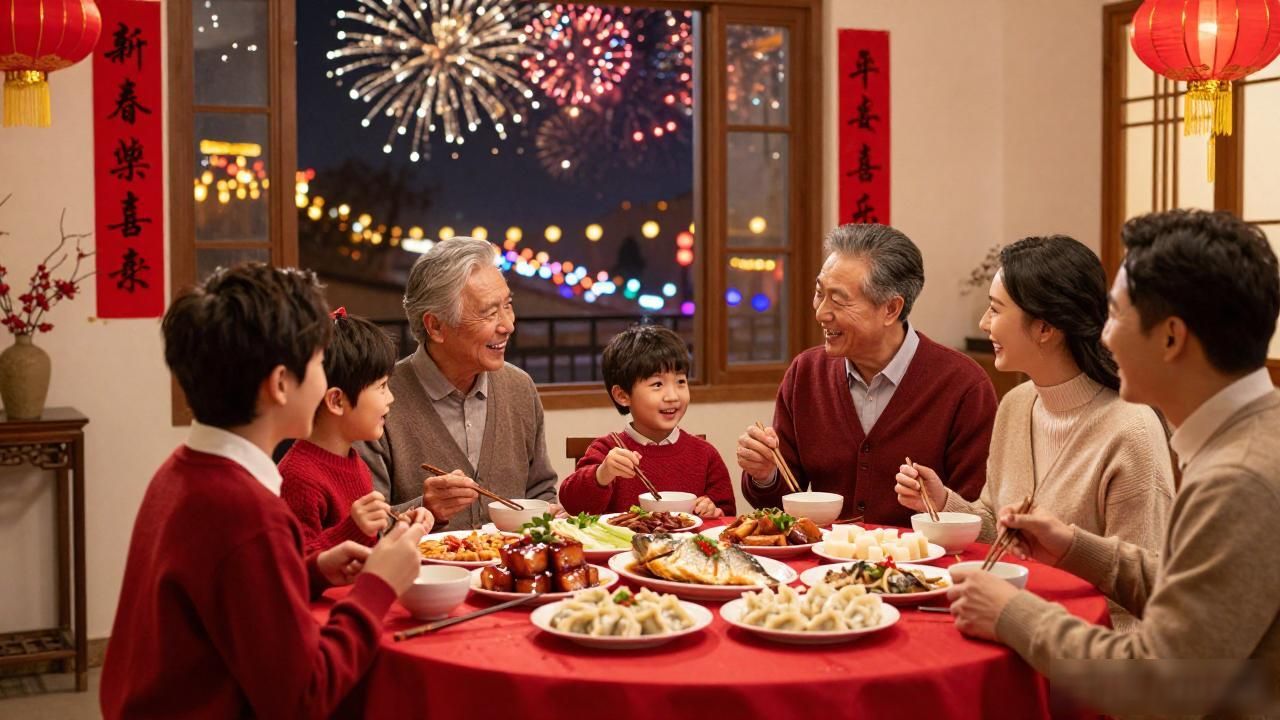
At its core, the festival marks the transition from the old lunar year to the new one. The date shifts every year because it follows the lunar calendar, landing somewhere between January 21 and February 20. For most Chinese families, this is the one week when long-distance relatives actually show up at the dining table. Trains, flights, and highways jam with what officials call the largest annual human migration on Earth, roughly 1.5 billion trips packed into a single ten-day window.
Children receive red envelopes stuffed with cash from elders and married couples. The amounts are deliberately odd-numbered, because even numbers symbolize death in Chinese tradition. This small detail trips up plenty of expats who receive one for the first time and politely ask to return it.
How is Spring Festival in China celebrated
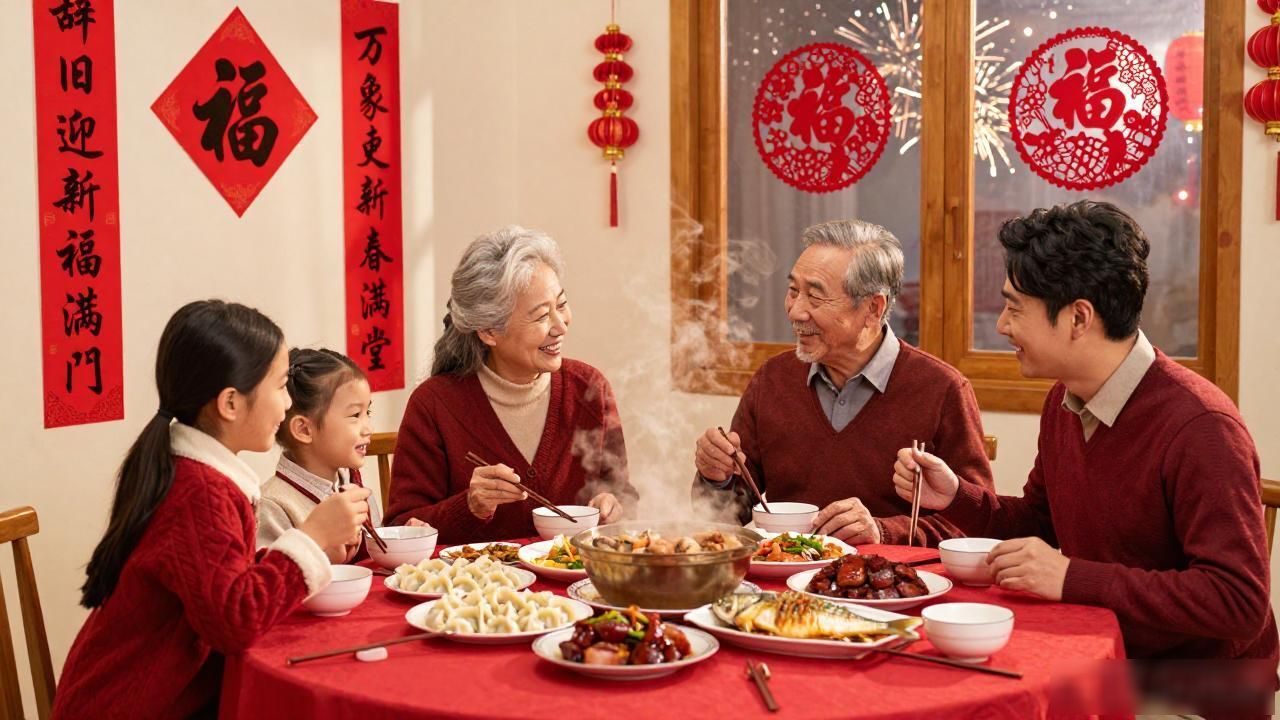
On New Year’s Eve, families cook a massive dinner where specific dishes carry layered meaning. Dumplings shaped like gold ingots symbolize wealth; a whole fish with head and tail intact represents surplus and continuity. Firecrackers go off at midnight to scare away the mythological beast Nian. In many cities, public fireworks displays have replaced the banned residential explosions, but the sky still turns orange and rumbles for hours.
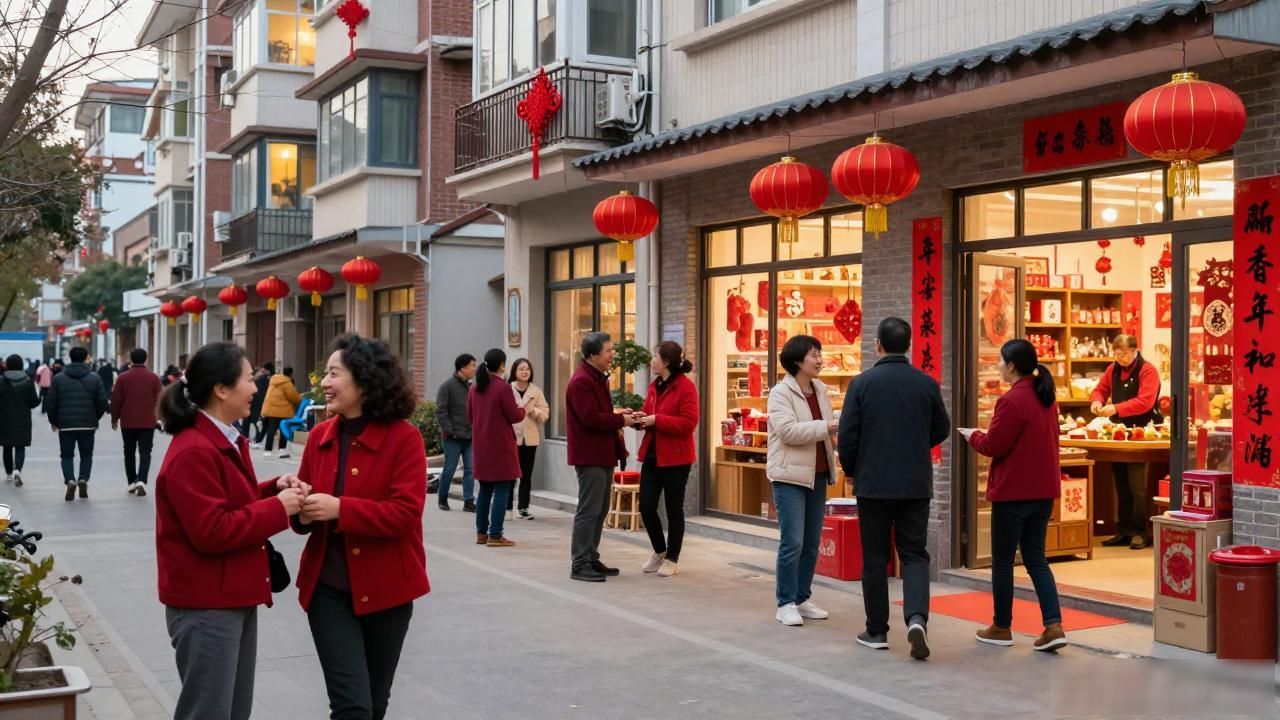
By the third or fourth day, the mood shifts from family obligation to neighborhood socializing. Colleagues exchange greetings, offices stay empty, and shops that survived the closure start reopening. In 2026 the official holiday stretches to nine full days, meaning most factories in eastern China shut down entirely. If you manage supply chains, build that silence into your delivery timelines well before the first day of the new year.
Understanding Spring Festival in China is not about memorizing a checklist of customs. It is about recognizing that an entire society pauses, reorganizes around the family table, and restarts with a shared sense of luck for the year ahead. Plan around it, and the holiday becomes an asset rather than a disruption to your schedule.