
After eleven years photographing ridgelines and river valleys across this country, I keep hitting the same wall of surprise. China‘s terrain is not one landscape. It is dozens, stacked and colliding, eroding into each other over millions of years. Karst pines claw out of sheer limestone in Guangxi while, eight hundred miles north, loess gullies churn the plateau into a thousand tiny ribbons. The range feels almost impossible when you stand inside it, and that impossibility is the whole point.
what natural scenery in China to see

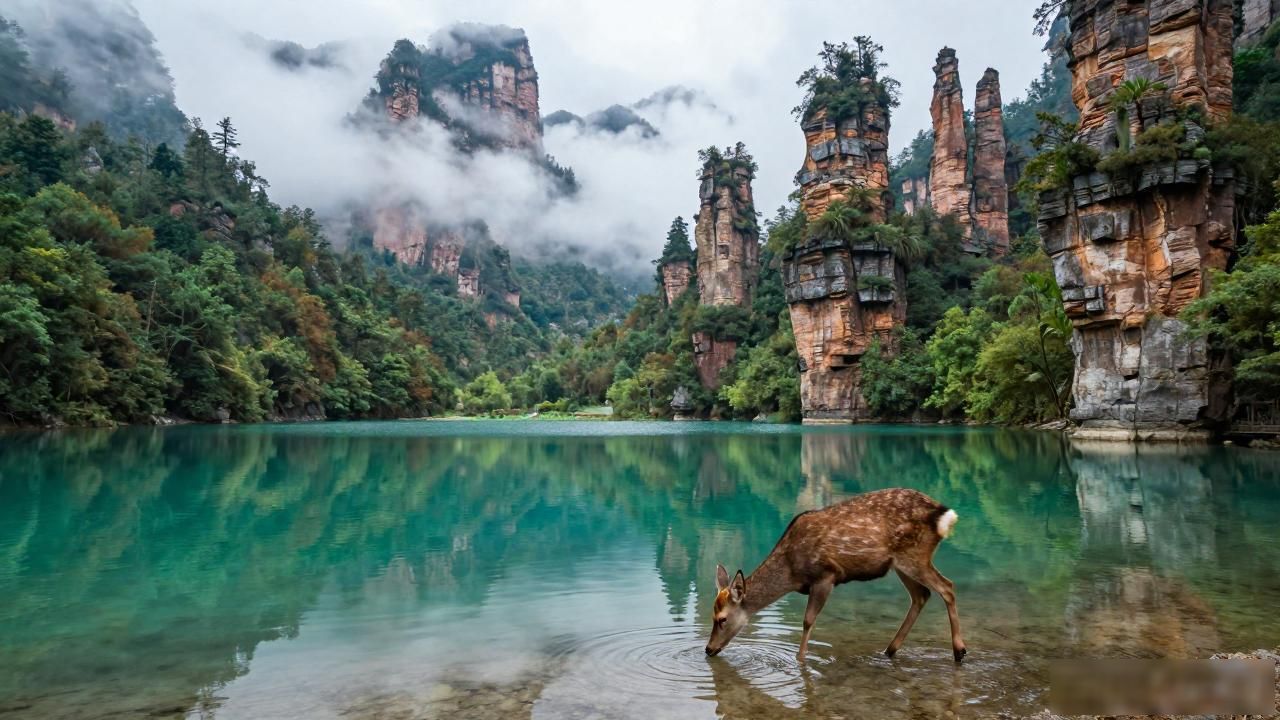
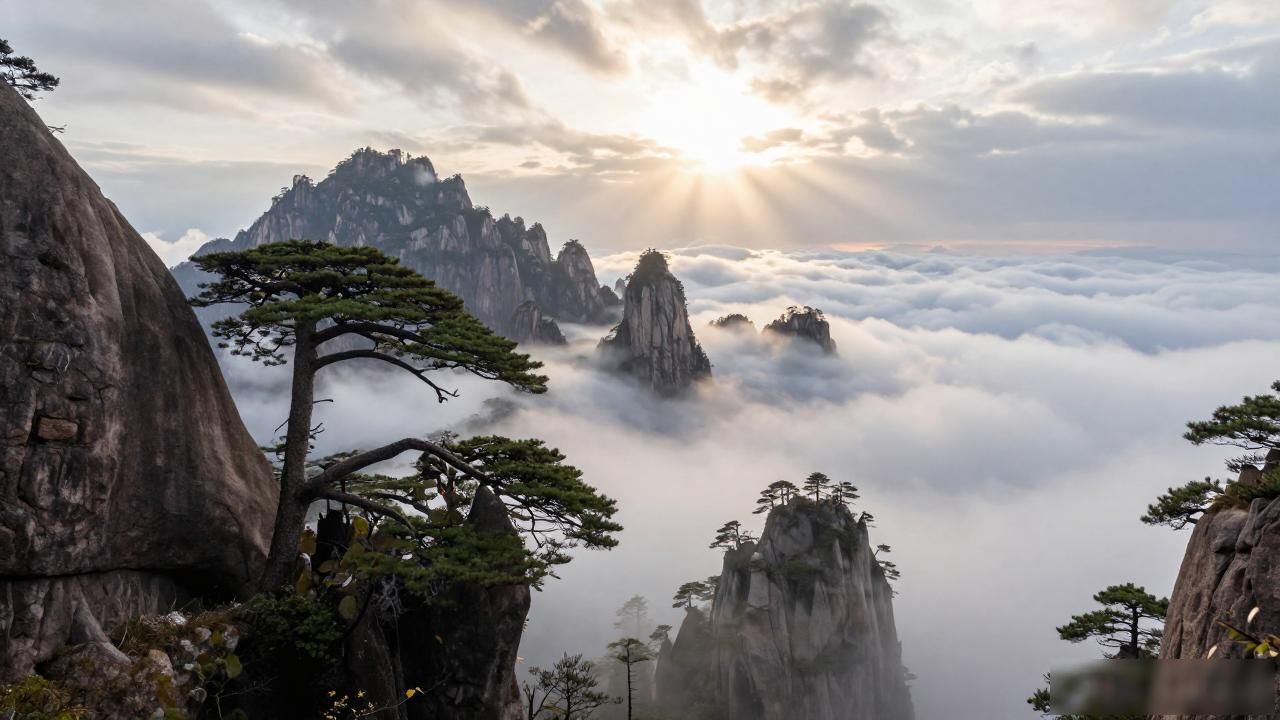
The three spots I return to most: Jiuzhaigou in Sichuan, where turquoise pools sit between limestone cliffs and a deer will stroll into frame without flinching; Zhangjiajie in Hunan, where sandstone pillars poke through cloud like broken teeth; and the Emei range, where monsoon mist swallows the peaks whole by mid-morning. Each one demands its own lens. Each one punishes you if you show up at the wrong hour.
I remember standing at a Jiuzhaigou pool in July, watching a fish shadow split the blue water into two completely different colors. The guide called it “dragon’s blood.” I just saw light refraction doing its thing. Both readings were true at once, and I kept both in my memory,which is probably why I go back every year.
when to see natural scenery in China
Spring gives you alpine meadows in Yunnan but floods the Guilin rice terraces to the point of near-nothing, just a wet green smear. Autumn strips the Changbai maple canopies to bare orange skeletal things that glow against first snow like a painting left too long in the sun. Winter is brutal and brief; by February the high passes thin the air enough that your camera meter starts lying to you, and you end up overexposed by a full stop.
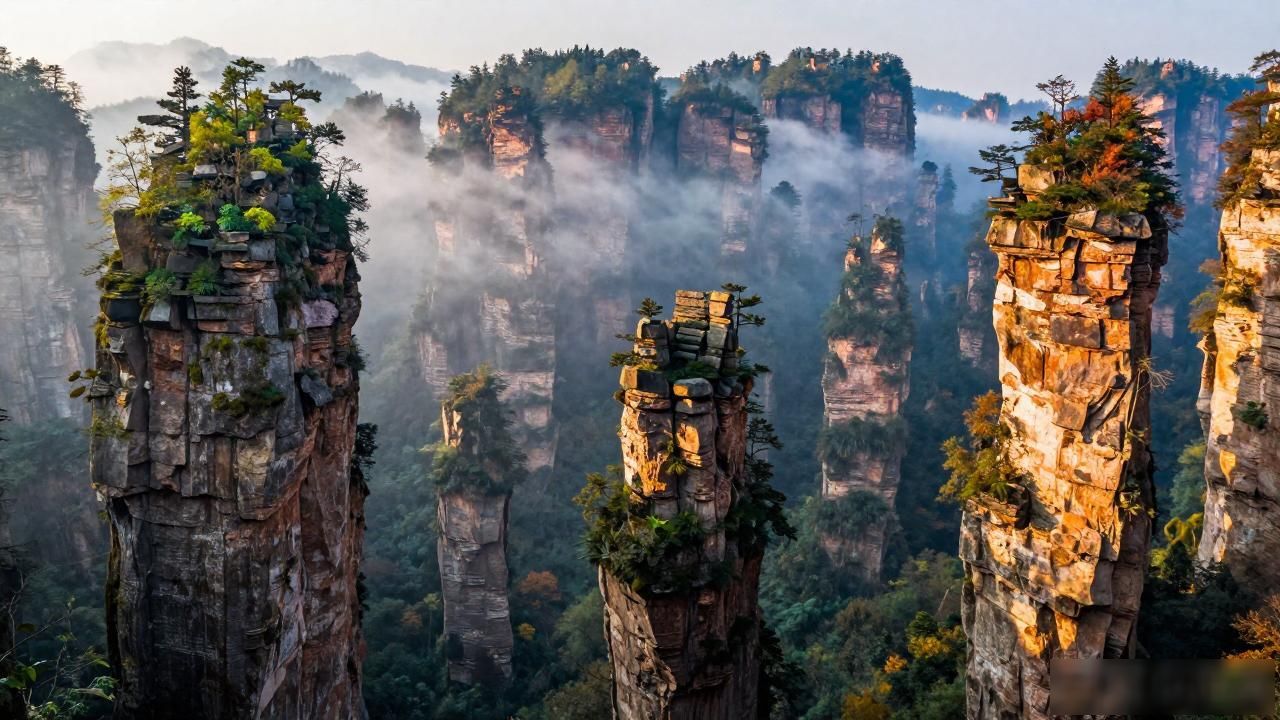
I’ve shot the same Zhangjiajie pillar in four seasons. In fog it is a pale ghost. In November sun it burns the color of old copper. In spring it wears a mossy green that no filter can fake. Pick your month like you pick your film stock, because it changes everything about the frame you walk away with.
Bring mud boots, a wide-angle, and the patience to sit still for two hours while the light does its slow work across a valley floor. The scenery will reward the ones who wait, and the ones who don’t will just get a blurry postcard.