
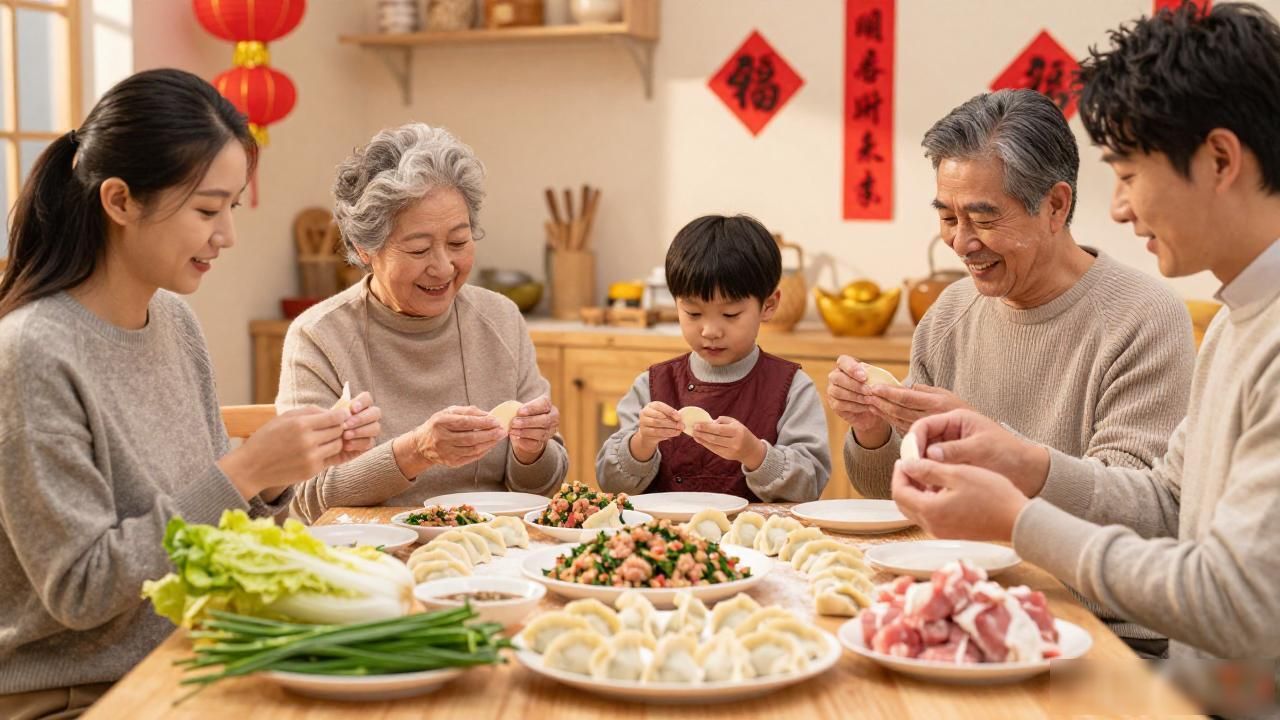
Spring Festival food is more than just a meal; it is the heart of China’s most important holiday. For foreigners,understanding these dishes means understanding family reunion, hope, and tradition. I am a cultural guide who has spent years explaining these customs to friends from abroad. The table is never empty, and every bite carries meaning.
What Are the Most Common Dishes?

The centerpiece is always dumplings. These crescent-shaped parcels are filled with meat and vegetables. Families gather to fold them together late on New Year’s Eve. The shape resembles ancient gold ingots, symbolizing wealth for the coming year. Eating them ensures prosperity.
Fish is another essential item. In Chinese, the word for fish sounds like the word for surplus. You must leave some fish on the plate at the end of the meal. This gesture shows that your family will have extra resources next year. It is a simple act with deep symbolic weight.
Noodles represent longevity. They are served long and uncut. Breaking them is considered bad luck because it shortens your life. Elderly family members especially enjoy this dish during celebrations. It reflects the universal desire for a long and healthy life.
How Do Regional Differences Shape the Menu?
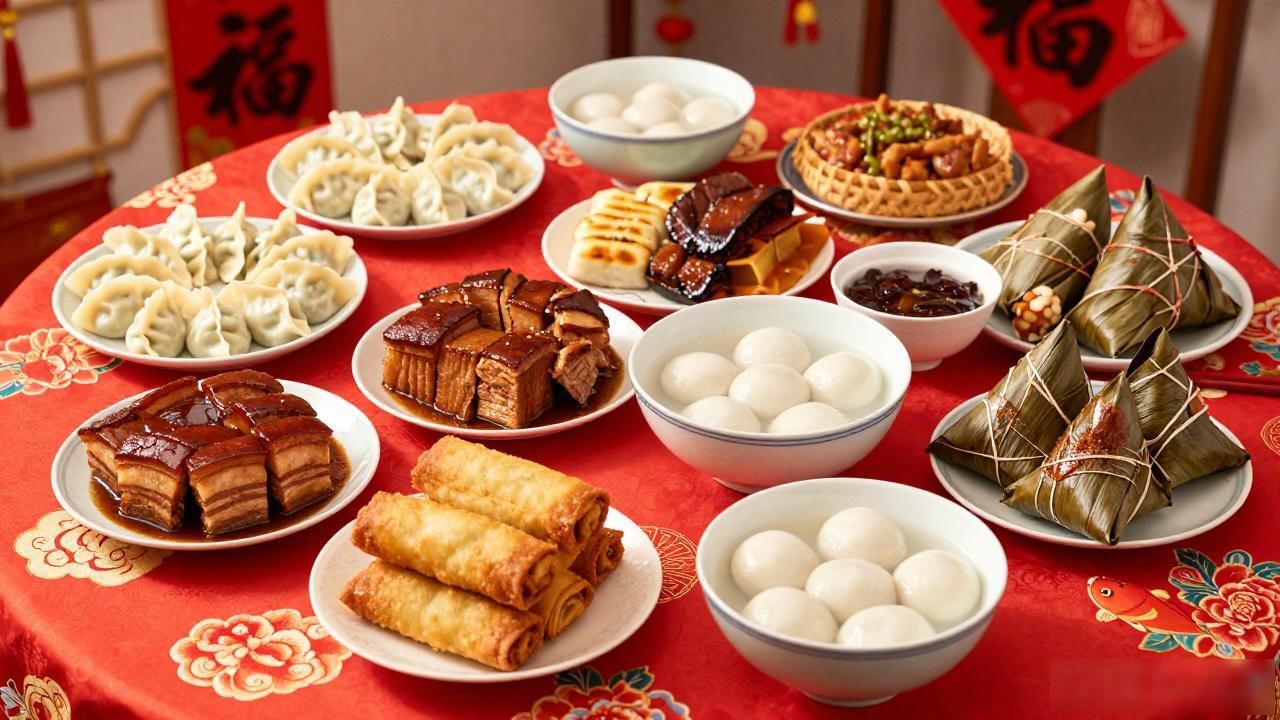
Food varies greatly across China. Northerners love wheat-based foods like jiaozi and mantou. Southerners prefer rice dishes and sticky rice cakes. Nian gao, or sticky rice cake, sounds like “higher year” in Chinese. Eating it implies progress and improvement in career or status.
Sweet treats also play a big role. Candied fruits and sesame balls are popular snacks. They add sweetness to the bitter days of winter. The vibrant red colors of decorations and food create a festive atmosphere. Red is the color of joy and good fortune.
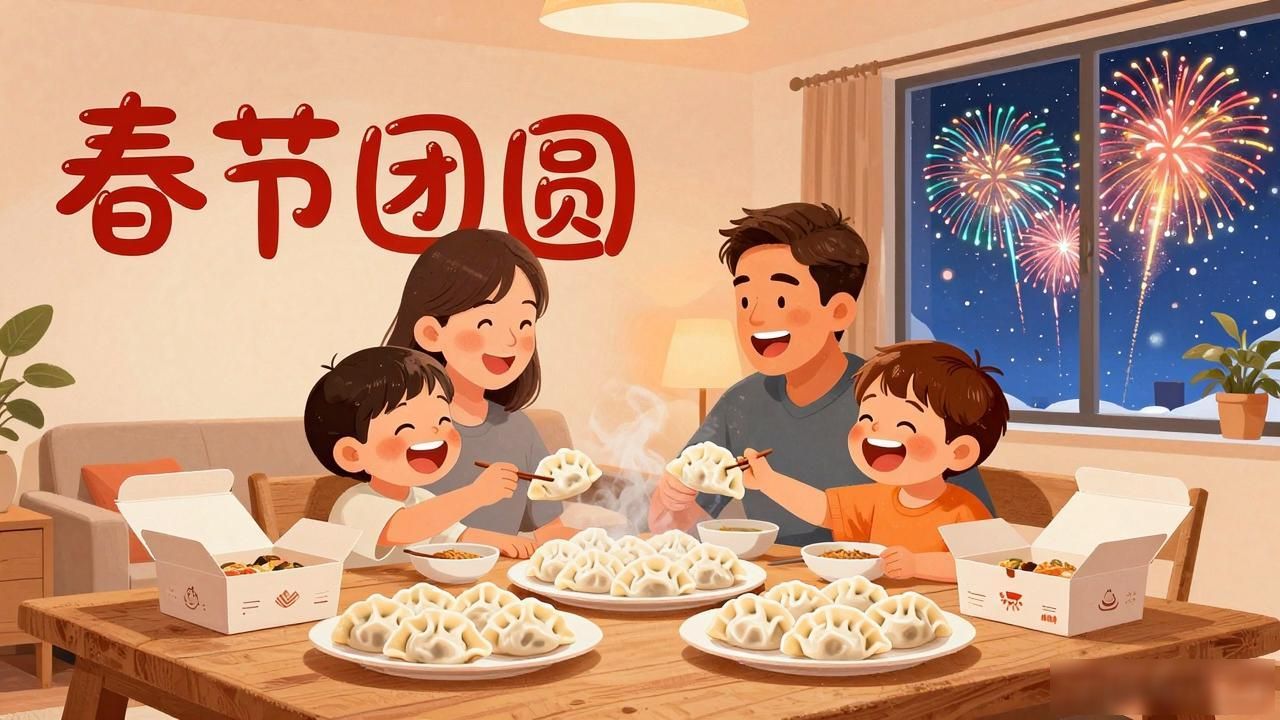
Modern families might order takeout or buy pre-made meals. Tradition adapts to busy lifestyles. Yet, the core values remain unchanged. Sharing food strengthens bonds between relatives. It is a time to reconnect and celebrate heritage.
For visitors, trying these foods is an immersive experience. You taste history and emotion in every dish. The flavors are rich, diverse, and unforgettable. Spring Festival food bridges cultures through shared joy.