
How To See Palace Museum Collection Artifacts?
The imperial treasury of China is vast, often misunderstood as a static warehouse of old porcelain. It is actually a living archive of cultural evolution. For visitors from abroad, the sheer scale can be overwhelming. Many expect to see everything, but this is a common trap. The museum spans centuries, covering Ming, Qing, and earlier dynasties. Each era brings distinct artistic styles and political narratives.

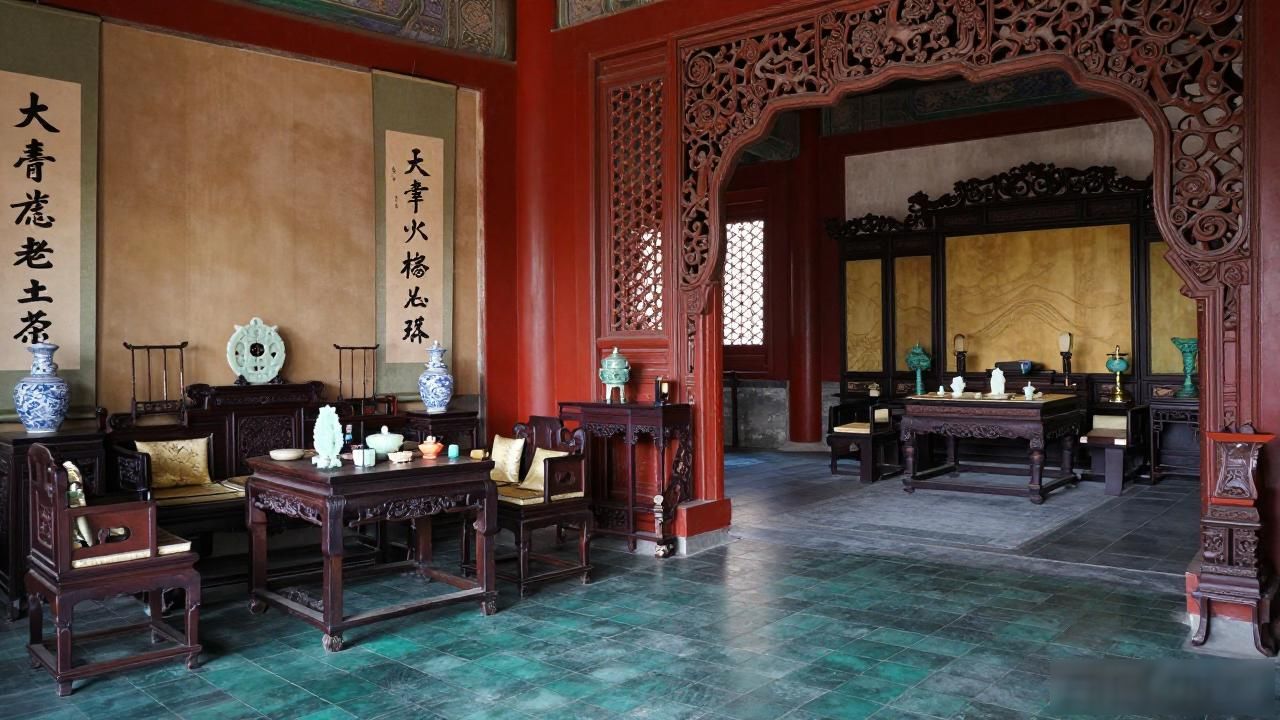
Focusing on specific galleries yields better results than wandering aimlessly. The Hall of Mental Cultivation offers a glimpse into imperial daily life, contrasting sharply with grand ceremonial spaces. Understanding the context of these rooms helps decode the artifacts within. Selection is key when planning your visit, as time is limited. Prioritize items that resonate with your personal interests, whether that be jade, calligraphy, or royal garments.
What Are The Most Famous Items In Palace Museum Collection?
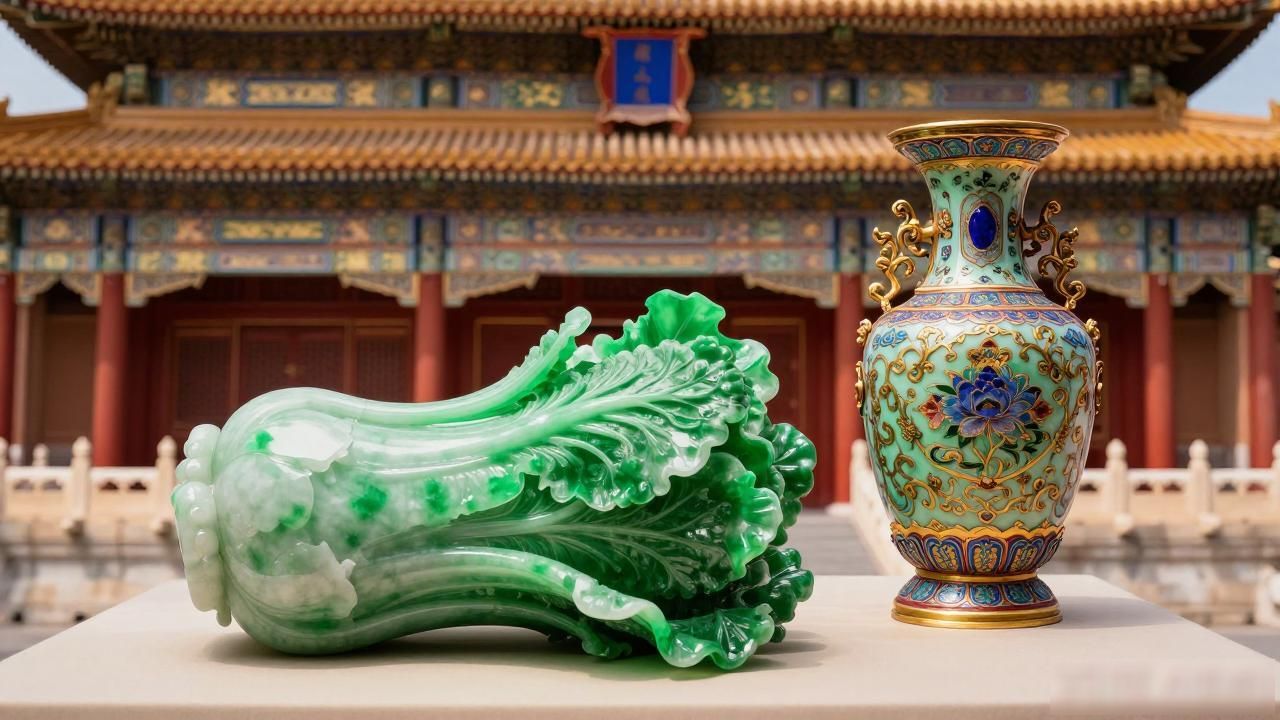
Certain pieces define the global perception of Chinese imperial art. The “Jadeite Cabbage” is iconic, symbolizing purity and fertility through intricate carving. Its visual appeal draws crowds despite its modest size. Another standout is the enamel vase,showcasing technical mastery in color and form. These objects are not merely decorative; they carry deep symbolic meanings rooted in Chinese philosophy.
Authenticity matters when observing these treasures. The preservation techniques used here are world-class, allowing fragile materials to survive centuries. Visitors often notice the vibrant colors of cloisonné or the subtle glazes of celadon. These details reflect the height of artisanal skills during their respective periods. Engaging with audio guides can reveal stories behind the aesthetics. This transforms a simple glance into a deeper appreciation of history.
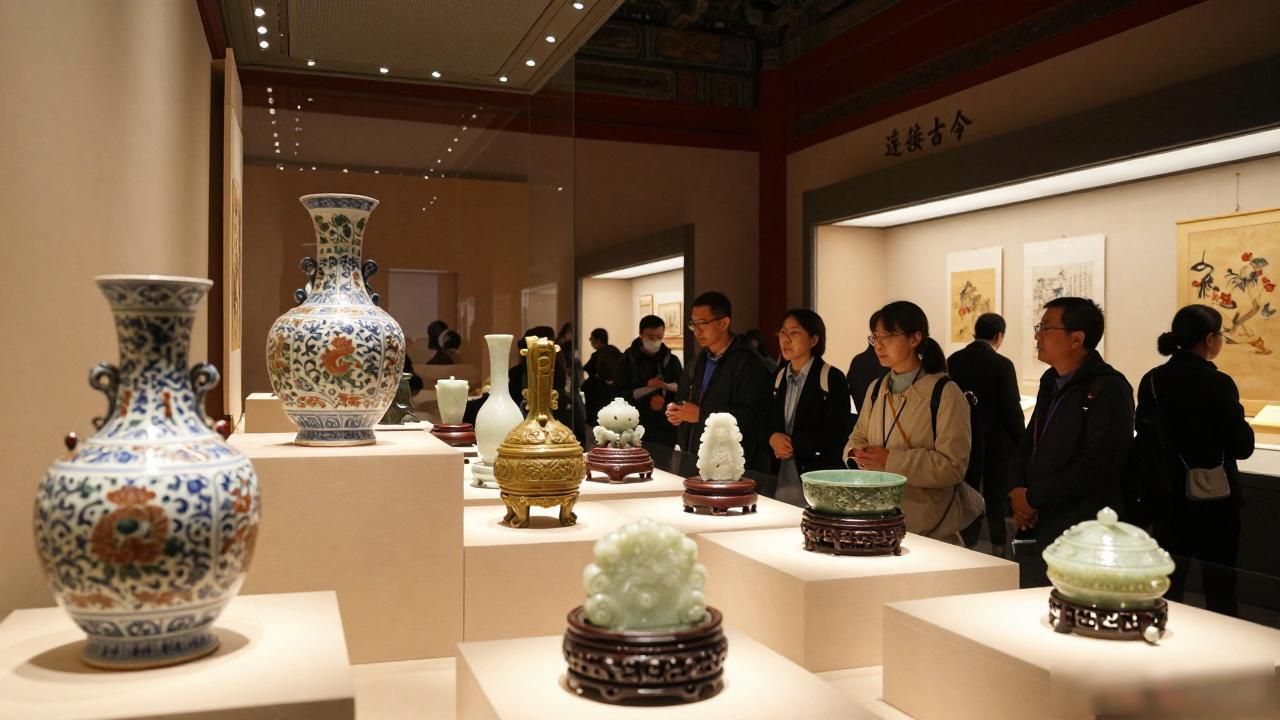
The experience of viewing these collections is about connection. It bridges the gap between modern observers and ancient creators. Each artifact tells a story of power, devotion, and human creativity. By focusing on quality over quantity, travelers leave with a richer understanding. This approach respects the weight of history while enhancing personal engagement.