
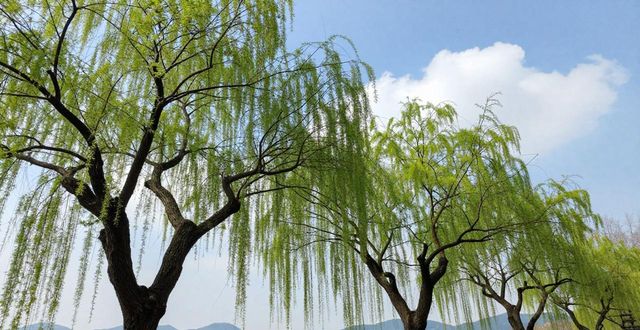
When you think of Hangzhou’s West Lake, the image of gentle, swaying willows along misty banks is probably the first thing that comes to mind. These aren’t just any trees; they are living symbols of Chinese classical beauty, poetry, and history. For centuries, travelers and scholars have fallen silent before the sight of emerald branches touching the water like fingers. In this guide, I’ll share why these willows are so special, when to see them, what they represent in Chinese culture, and how to make the most of your visit to this UNESCO World Heritage site.
Why are willows so important to West Lake
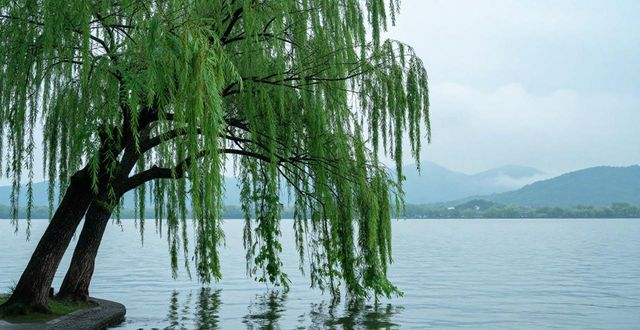
The willows at West Lake are not a random natural occurrence. They were carefully planted over a thousand years ago to frame the lake’s famous “one mountain, two pagodas, three islands” view. The most iconic species is the weeping willow, whose drooping branches create a natural curtain that softens every stone bridge and pavilion. Without these trees, the landscape would lose its romantic, dreamlike quality. Local records show that as early as the Tang Dynasty, officials planted willows to prevent soil erosion and enhance scenery, turning the lake into a living painting.

Today, the “Willows Wave Orioles Sing” (Liu Lang Wen Ying) park remains the best place to see mature willows. The trees here are over a hundred years old, their trunks twisted with time but still producing fresh, tender green leaves each spring. When a breeze blows, the branches dance like silk ribbons, and the air fills with the chirping of orioles hiding among the leaves. This harmony of sight and sound is exactly what ancient poets described in their verses, making it a must-see for any culture-loving traveler.
Best time to see weeping willows at West Lake
Spring is the absolute peak season for willow viewing, typically from late March to early April. During these weeks, the willows produce their first yellow-green buds, followed by soft, fuzzy catkins that float across the water like snowflakes. The combination of blooming peach trees (planted alternately with willows) creates a stunning color contrast of pink and green along the Su Causeway. Early morning, just after sunrise, offers the calmest water reflections and fewer crowds. I highly recommend renting a boat to see the willows from the lake; their reflection upside down looks like jade brushes painting the water.
Autumn is another wonderful but lesser-known time. In October and November, the willow leaves turn a pale gold, and the lower angle of the sun casts long, dramatic shadows on the pathways. The humidity drops, making walking tours along the Bai Causeway very comfortable. Unlike spring’s bustling atmosphere, autumn brings a quiet, melancholic beauty that many photographers prefer. Winter can be magical too, especially when snow dusts the bare branches, turning them into silver lace against the dark lake water. However, summer’s heat and mosquitoes make willow viewing less pleasant,so plan accordingly.
Symbolism of willows in Chinese culture
To truly appreciate West Lake willows, you need to understand what they mean to Chinese people. In classical poetry, the willow (liu) sounds like the word for “stay” or “parting,” so a broken willow branch became a farewell gift between friends. When you see the drooping branches, they symbolize lingering affection and the sadness of separation. Many famous poems written at West Lake mention willows as witnesses to lovers’ goodbyes or officials leaving the capital. This emotional depth turns a simple tree into a storyteller of human feelings.
Additionally, willows represent resilience and rebirth. They are among the first trees to green in spring, and they can regrow from a single branch stuck into wet soil. This toughness made them a symbol of enduring friendship and hope. When you walk along the lake, notice how the willows bend but never break in storms; this teaches the Confucian value of flexibility with inner strength. For modern visitors, taking a photo under a willow is more than a vacation snapshot; it’s connecting with centuries of art, literature, and philosophy that still live in Hangzhou’s air.
How to photograph West Lake willows like a pro
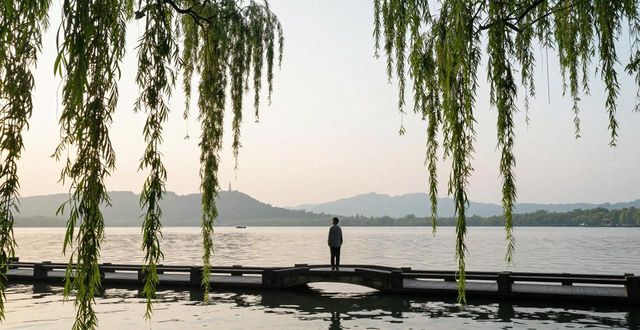
Forget using your phone’s auto mode. To capture the willows’ magic, go to the Broken Bridge (Duan Qiao) at dawn. Stand on the bridge facing the lake, with willows framing the Baochu Pagoda on the far hill. Use a wide-angle lens to include the overhanging branches as a natural foreground arch. The best lighting is during “blue hour” (30 minutes before sunrise) when the lake surface is still and reflects a deep sapphire color. Set your camera’s white balance to “cloudy” to enhance the warm tones on the willow trunks.
Another secret spot is the north shore near the Xiling Bridge. Here, the willows grow unusually close to the water, and on a windless day, you can get a perfect mirror reflection. For creative shots, try a slow shutter speed (1/15 sec) when a boat passes; the moving water blurs while the willow branches stay sharp, creating a sense of timeless flow. Remember to include human elements—a local fishing, a couple walking—because willows gain meaning through interaction. Finally, never pull or break branches for a better angle; respect these living treasures so others can enjoy them for centuries.
Now that you know why the willows of West Lake are so much more than beautiful trees, which season would you most like to experience them for yourself? Share your thoughts in the comments, and if you found this guide helpful, please give it a like and pass it along to fellow travelers planning their Hangzhou trip.