
Beijing opera costumes are far more than just flashy outfits—they are a complete language of color, pattern, and shape that tells you who a character is before they even sing a word. For anyone new to this ancient art, the dazzling silks and elaborate embroidery can feel overwhelming. But understanding a few simple rules will completely change how you watch a performance.
What do colors mean on Peking opera costumes

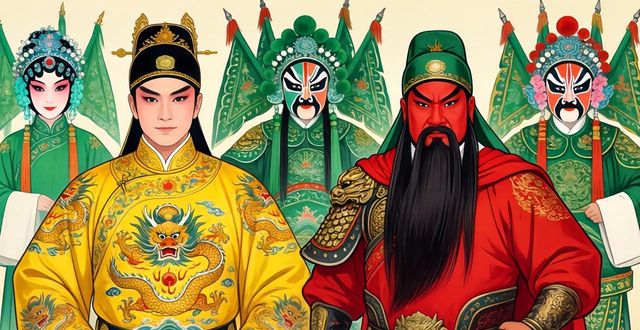
The colors on a costume are the fastest way to read a character’s personality. Yellow robes are strictly reserved for emperors, representing supreme power and the center of the earth. Red stands for loyalty, courage, and righteousness, and you will see it on noble generals like Guan Yu. Green often signals a violent or stubborn nature, while white is used for cunning or treacherous officials. Black suggests roughness or honesty, making it a favorite for brave, straightforward warriors. Once you spot the color, you already know half the story.
How to spot a warrior from a scholar by their outfit
Warriors and scholars wear completely different costumes, even from a distance. Martial characters wear “kao” – a full set of armor with a padded jacket, shoulder guards, and four pennants on the back. These flags flutter dramatically during battle scenes, making every movement larger than life. In contrast, civilian officials and scholars wear long, flowing robes called “mang” or simple gowns called “pi.” These robes have wide sleeves that hang down like water, and the actor uses them to express elegance and refined emotion. A single glance tells you whether a sword fight or a poetry recital is coming next.
Why embroidered patches and sleeves hide secret messages
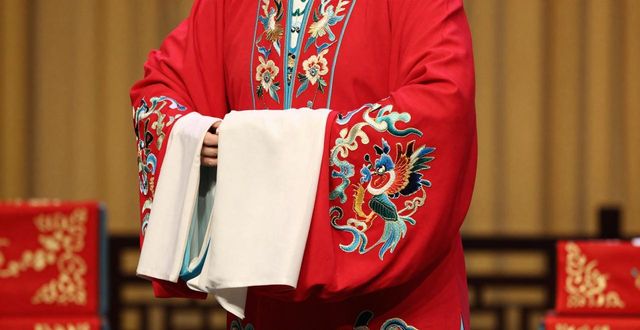
Look past the main color and you will find densely embroidered patches that act like personal ID cards. Imperial robes display five-clawed dragons, while lower ranks get four-clawed “pythons.” Water waves and mountains at the hem suggest the whole world under the character’s feet. But the most clever messages are in the sleeves. The long white silk panels called “shui xiu” (water sleeves) are not just decoration – they let the actor show fear,joy, or anger through flicks and swirls. A quick shake of the sleeve can mean “no,” and spreading both sleeves wide can signal a royal command.
Do costume layers reveal rank and personality on stage
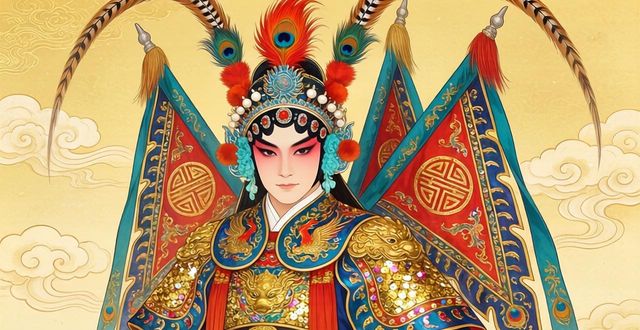
Absolutely – the number of layers and the accessories make the final statement. Generals wear a heavy square flag on their back called “kao ling,” which represents a command banner and adds authority. Helmets with pheasant feathers belong to fierce, wild warriors, while round soft hats with wings belong to clever ministers. Women’s costumes are equally telling: princesses wear phoenix crowns, and virtuous wives dress in simple blue or black with minimal embroidery. Villainesses often wear bright pink or purple with uneven hemlines. Every single piece, from boots to headdress, reinforces the character’s social rank and moral nature.
After reading this, the next time you see a Peking opera performance, you will realize the costumes are telling you a secret story. Which costume detail would you most want to see up close – the dragon robes, the warrior pennants, or the water sleeves? Share your thoughts in the comments, and feel free to pass this guide along to anyone curious about Beijing opera.