
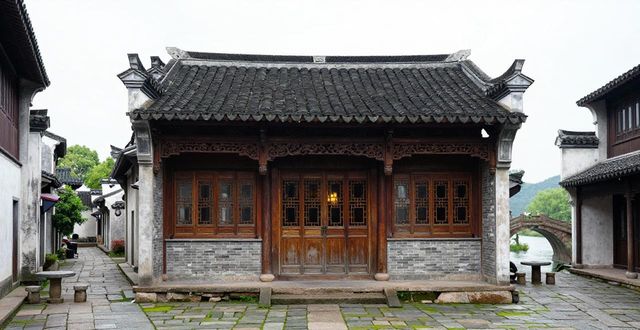
China’s ancient water towns and historic villages hide some of the world’s most charming accommodations. These are not typical hotels but unique homestays tucked inside centuries-old courtyards, wooden houses, and canal-side buildings. For travelers seeking authentic cultural immersion, staying in one of these renovated heritage homes offers a window into traditional Chinese life—complete with local breakfasts, hand-pulled noodles, and hosts who share family stories. Unlike standardized chain hotels, each homestay has its own personality, shaped by generations of residents and recent thoughtful restorations.
What makes a homestay truly unique in old towns

Authenticity is the key. A unique homestay in an old Chinese town preserves original architectural features—carved wooden beams, stone-paved courtyards, black-tiled roofs, and lattice windows. Many are former residences of merchants or scholars, dating back to the Ming or Qing dynasties. Owners often keep heirloom furniture, ancestral tablets, or old photographs, creating a living museum. Unlike a hotel’s uniform decor, these spaces tell real stories. You might sleep in a room where a silk merchant once stored his goods, or sip tea in a garden where poets composed verses. The uniqueness lies in imperfections: creaky stairs, uneven stone floors, and the faint smell of aged wood.
How to find the best local homestays without booking sites
While platforms like and Airbnb list many options, the most memorable stays are discovered through deeper research. Search Chinese apps like Xiaohongshu (Red Note) using keywords like “古镇民宿推荐” (old town homestay recommendations) and translate reviews. Look for hosts who speak some English or are willing to use translation tools. Better yet, arrive early and walk the alleys. In towns like Lijiang, Pingyao, or Wuzhen, many homestays do not advertise online. Knock on doors that look inviting. A friendly elderly owner might show you a courtyard room for half the price of a listed one. Also, join expat forums on WeChat or Facebook groups focused on China travel—members often share hidden gems.

Why choose a homestay over a hotel in ancient Chinese towns
Hotels offer predictability, but homestays provide immersion. In a hotel, you are a guest; in a homestay, you become part of a neighborhood. You will wake to roosters crowing, vendors calling out tofu pudding, and the clatter of mahjong tiles from next door. Your host might invite you to make dumplings, teach you a few Chinese characters, or take you to a morning market that never sees tourists. These experiences cannot be booked. Moreover, staying in a heritage homestay directly supports local families and preservation efforts. Many owners are passionate restorers who have saved historic buildings from demolition. Your stay helps keep old towns alive and authentic, rather than turning them into theme parks.
What unique activities can you experience at a town homestay
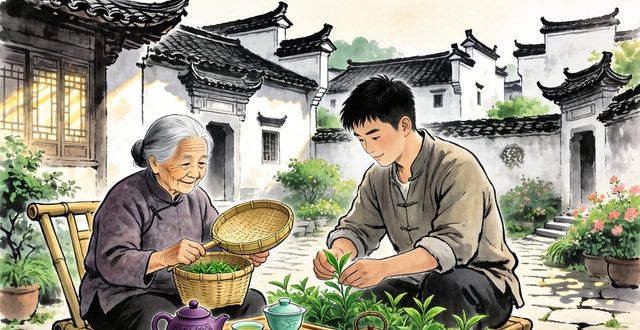
Beyond sleeping, these homestays offer hands-on culture. In a Huizhou-style mansion in Hongcun,you might learn tea-picking and traditional calligraphy from the owner’s grandmother. In a canal-side house in Zhouzhuang, join a morning tai chi session on a stone pier. Some homestays organize lantern-making workshops, bamboo weaving, or even short cooking classes focusing on local dishes like stinky tofu or osmanthus cakes. At night, sit on a rooftop terrace with your host, sipping rice wine while listening to legends about the town’s ghosts and heroes. These activities are rarely advertised; they emerge from the host’s own life and interests. Always ask politely, and be open to spontaneous invitations.
Have you ever stayed in a traditional Chinese home that felt like stepping back in time? What would you most want to learn from a local host—a recipe, a craft, or a forgotten story? Share your thoughts in the comments below, and if this guide helped you dream of your next adventure, give it a like and pass it along to fellow travelers.