
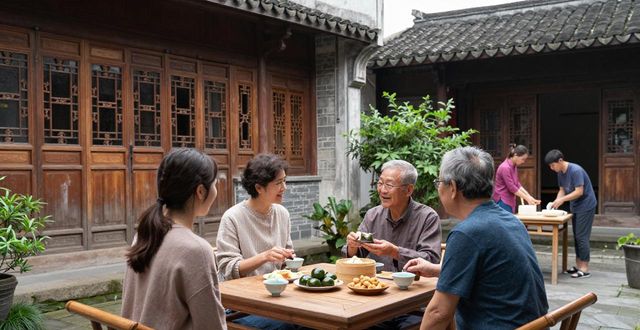
Across China’s well-preserved ancient old towns, tucked weathered wooden archways and near river stone embankments sit one-of-a-kind homestays that skip sterile hotel vibes to immerse visitors in true regional life. For foreign travelers tired of cookie-cutter tourist lodging, these stays pair traditional heritage architecture with warm, personal local hospitality for a trip memory you cannot find anywhere else in the world. From tea-fueled patio mornings in southern water towns to courtyard starry nights in a remote northern mountain fort, every unique old town homestay here weaves handcrafted traditions and lived local stories right into every part of your travel experience.
What makes China old town homestays unique
Different from standard international hospitality offerings, most of China’s unique old town homestays are run by long-term local residents who renovated their own family ancestral homes with great care rather than generic corporate builders. You get far more than a clean bed: every hand-painted window frame, the hand-woven cotton bed linens, and even homemade complimentary welcome snacks all carry the personal touch of owners who have decades (generations, even) of rooted history in that exact small local community.

This family-run model also naturally unlocks small, hard-to-find local access that even the best premium five-star chains will never be able to arrange for guests. You may get an invitation to join a weekly neighborhood rice cake pounding session in Zhejiang towns, sit with elderly owners who will weave bamboo alongside you and compare childhood stories — none of these small, profound, unforgettable moments appear in standard foreigner travel itineraries online.
Which features define a great old town homestay
Standout unique old town homestays nearly always preserve all the core original architectural heritage bones of the ancient building first, before adding just subtle, modern user-practical upgrades that do not ruin timeless historic vibe. A Song dynasty-era brick carved archway right in the central traditional courtyard might stay fully intact and unmodified, but unobtrusive hidden high-speed wifi modern heated private bathrooms will still meet every international visitor’s expected western comfort need conveniently and unobtrusively.
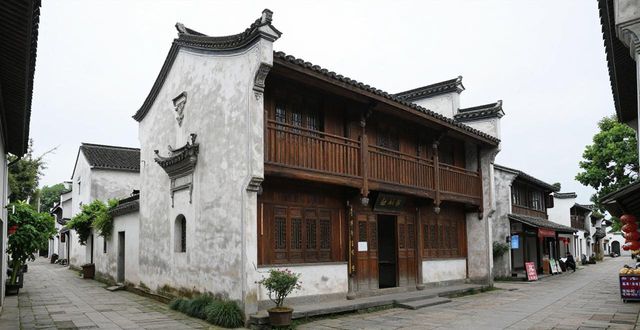
Almost all top rated picks sit tucked far enough from the busy main old town commercial pedestrian alleys to skip loud overnight tourist noise, but remain an easy 4 to 7 minute walk to all the must-see scenic heritage spots and local authentic family-run street food stalls. Many feature rooftop wooden viewing platforms that let you watch mist roll over ancient tile rooftops at Sunrise, or stone waterfront patio nooks to sip jasmine tea while floating old wooden local gondolas drift slowly the canal right past the stone terrace edge.
Extra tip to avoid bad homestays
Always check booking platform customer photo reviews first (not just marketing photos from the listing host) to confirm that you will not end up at hastily renovated cheap knock off hostel style spots that claim the “old town unique” marketing label falsely. Avoid any oddly priced ultra cheap listings close to main major tourist bar streets, these almost never preserve vintage charm properly, are often extremely noisy,and have very thinly cut corners on basic modern comfort hygiene standards.
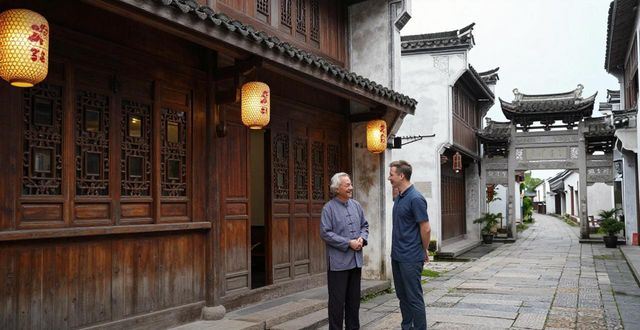
If you don’t see contact details for clearly native local owners in the listing, send a quick pre-booking message and politely ask for an introduction about the town family background that links the hosts personally to that old neighborhood for multiple generations. A fast warm personal reply usually means you found one of those wonderful hidden gems that no tourism brochures will ever steer you to on your typical China traveler path.
What’s the first old town unique homestay you plan to book for your next China cultural travel trip, and what type memorable small local experience would make your first visit feel thoroughly complete? Share it below, like and this article to send these China travel stay tips to your fellow backpacker friend groups that need this hidden insight most.