
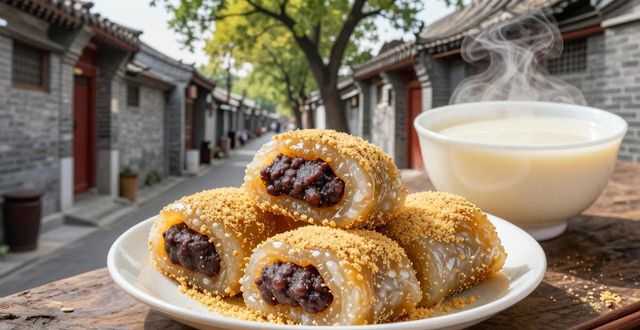
Beijing’s food scene is far more than the famous Peking duck. As a long-time expat who has explored every hutong and night market in this city, I can tell you that the real unique foods here challenge your taste buds, tell stories of history, and offer experiences you won’t find anywhere else. From fermented drinks to offal stews, Beijing’s culinary treasures are bold, authentic, and deeply connected to local life. Let me guide you through the most unforgettable bites.
What is the strangest thing locals eat in Beijing
For many visitors, the first shock comes from douzhi,a fermented mung bean milk that smells like strong blue cheese but tastes sour and slightly herbal. Locals sip it steaming hot with pickled radish and a ring of crispy jiaoquan. This drink dates back to the Ming dynasty, when it was a cheap breakfast for laborers. I remember my first sip made me cough, but after three tries, I actually craved it. The trick is to dip the jiaoquan into the douzhi and let the crunch balance the sourness. Do not expect sweetness—this is a pure taste of old Beijing.

Another eye-opener is ludachang, or donkey meat sandwiches. Donkey meat is lean, tender, and often spiced with star anise and cinnamon. The sandwich is stuffed into a crispy baked bun, similar to a Chinese burger. You will find donkey meat shops near the Yonghegong Lama Temple. The flavor is close to beef but sweeter. Some locals believe eating donkey meat boosts energy in winter. If you feel hesitant, remember that many cultures eat horse or goat—donkey is simply a regional protein with centuries of history.
Where to find authentic Peking duck without tourist prices
Peking duck is not unique in the sense of being rare, but the authentic preparation method is unique to Beijing. The duck must be roasted in a closed oven hung from a hook, not the open fire of Cantonese roast duck. The skin becomes glass-brittle, and the fat melts into a sweet, smoky layer. Most tourists go to Quanjude or Dadong, but locals prefer smaller restaurants like Siji Minfu. There, you pay around 150 yuan for a whole duck, compared to 300 yuan at fancy chains.
Carving the duck is an art. The chef slices 108 thin pieces, each with skin and meat. You wrap a slice in a thin pancake with cucumber, scallion, and sweet bean sauce. Some restaurants now offer sugar-dipped crispy skin as a separate bite. Do not miss the duck bone soup or fried duck frames—they are free with the whole duck. A pro tip: go at 5:00 PM to avoid a two-hour wait. The best duck is always the first batch of the evening.
Why Beijing breakfast will change how you see Chinese food
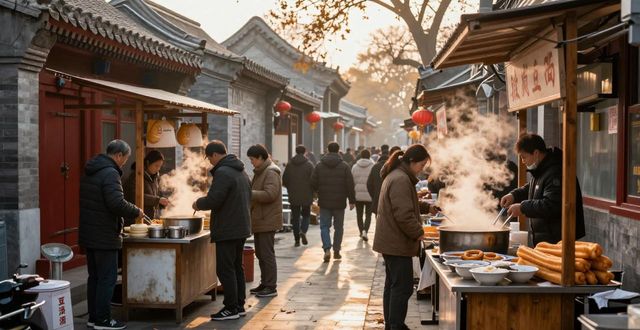
Beijing breakfast is a world of its own. Start with xiandouhua, a savory tofu pudding topped with soy sauce, chili oil, pickled mustard, and crushed peanuts. Unlike the sweet versions in southern China, this one is salty, spicy, and full of texture. You eat it with a spoon, mixing everything together. The tofu is silky, almost like custard, but the toppings give it a punch. Street stalls sell it from 6:00 AM to 9:00 AM. I recommend finding a cart near a subway station—if you see a long line of office workers, you are in the right place.
Then there is chaogan, a thick liver and intestine stew. The name means “fried liver,” but actually the liver and pork intestines are cooked in a starch-thickened broth with garlic and soy. It tastes rich, earthy, and slightly sweet from the caramelized onions. Many foreigners shy away from offal, but the intestines are cleaned thoroughly and have a chewy, not slimy, texture. Locals dip baozi (steamed buns) into the stew. For a less intimidating option, try the version at Huguosi Snacks—it is milder and very beginner-friendly.
How to eat hot pot like a true Beijinger
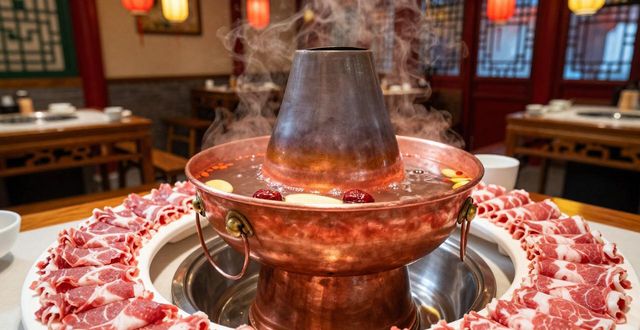
Beijing hot pot is different from Sichuan’s spicy oil pot. The base is plain water with goji berries, dates, and a few slices of ginger—called “clear broth” or “copper pot hot pot.” The star is the meat: hand-cut lamb shoulder, sliced so thin you can see light through it. You dip the raw lamb into the boiling water for exactly 10 seconds, then into a thick sesame paste sauce mixed with fermented tofu and leek flower. The sesame paste is nutty and savory, nothing like the thin soy dips of other regions.
A true Beijinger never wastes anything. After the meat, you cook frozen tofu, napa cabbage, and glass noodles. The frozen tofu absorbs all the lamb flavor and becomes spongy. Finally, you pour the remaining sauce into your bowl and add a ladle of the now-rich broth to make a soup. Many restaurants offer free refills of the sesame paste. Do not order beef—lamb is the tradition. And always drink the hot broth at the end; locals believe it warms your stomach and helps digestion.
What unique Beijing food would you dare to try first—the fermented douzhi or the donkey meat sandwich? Share your thoughts in the comments, and if you found this guide helpful, give it a like and pass it to a friend planning a Beijing trip.