
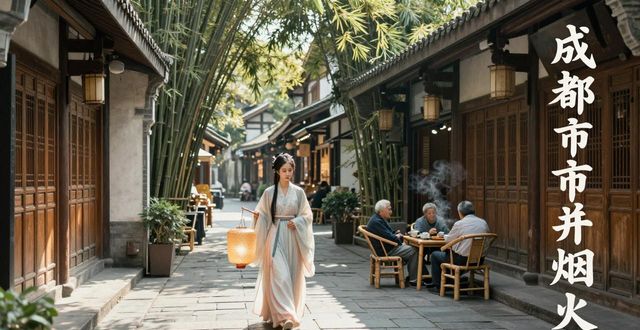
When travelers think of Chengdu, giant pandas usually come first. But this southwestern Chinese city offers far more than adorable bears. From ancient teahouse rituals to fiery hotpot feasts and mind-bending opera tricks, Chengdu is a place where slow living meets vibrant tradition. Having explored its hidden corners for years, I can tell you that the real magic lies in experiences that most tourists overlook. In this guide, I’ll share four unique Chengdu travel experiences that will make your trip unforgettable.
What’s so special about Chengdu teahouses
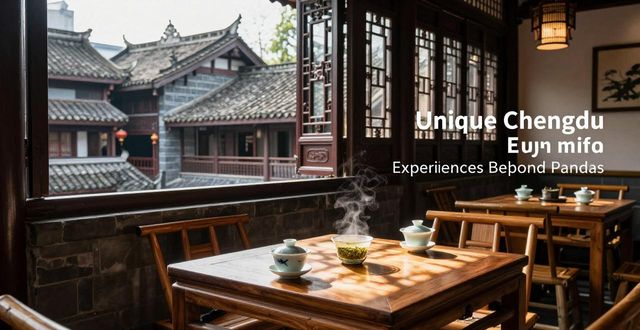
Chengdu’s teahouse culture is unlike anywhere else in China. Locals don’t just drink tea – they spend entire afternoons playing mahjong, gossiping, and getting their ears cleaned by wandering ear-pickers. Head to Heming Teahouse in People’s Park,which has been running for nearly a century. Order a cup of jasmine or bamboo-leaf tea, then sit back and watch life unfold. The tea is constantly refilled with hot water from long-spouted kettles, and the atmosphere is wonderfully chaotic. For just a few yuan, you can experience a centuries-old tradition that remains deeply woven into daily Chengdu life.

Unlike fancy tea ceremonies elsewhere, Chengdu teahouses are unpretentious. You can shout, play cards, or even nap in your bamboo chair. The key is to slow down completely – a concept locals call “bai lan” (lying flat). Try striking up a conversation with an elderly mahjong player; many are happy to share stories if you smile and nod. Don’t leave without trying the ear-cleaning service. It feels strange at first, but the gentle scraping sounds and tingling sensations are surprisingly relaxing. This is the kind of authentic, interactive experience no museum can replicate.
Where to find authentic Sichuan hotpot
Sichuan hotpot is a fiery ritual, not just a meal. The broth bubbles with chili oil, Sichuan peppercorns, and dozens of spices that numb and burn your mouth in perfect harmony. To find the real deal, avoid fancy chains near tourist sites. Instead, look for cramped, steamy spots with long queues outside. One legendary place is Grandpa’s Hotpot at Yulin North Alley. Here, locals dip sliced beef, tripe, and lotus root into a cauldron of red lava. The numbing effect (called “ma la”) is so intense that your lips tingle for hours.
Ordering can be intimidating, but the rule is simple: cook tripe for exactly 15 seconds, drink cold beer between bites, and always use the sesame oil dip to cool your mouth. Don’t be shy about asking for “weila” (slightly less spicy) if you’re a beginner. The best part is the shared experience – strangers at neighboring tables will cheer you on or hand you tissues. Afterwards, walk it off along the Jinjiang River. Hotpot isn’t just food in Chengdu; it’s a social glue that brings people together through shared suffering and joy.
How to experience face-changing opera up close
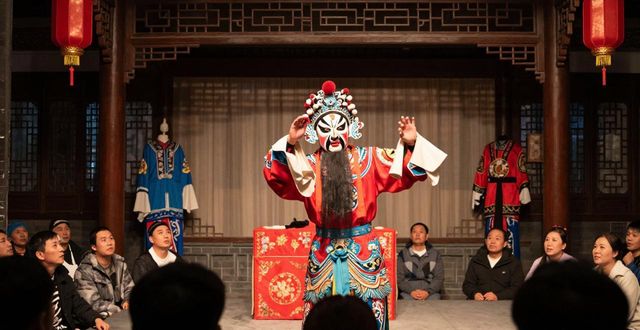
Bian Lian, or face-changing opera, is a Sichuanese art form that will leave you scratching your head. Performers swirl their capes or wave fans, and in a split second, their masks shift from red to blue to gold – with no visible strings or mechanisms. Most tourists watch from a distance at teahouse shows, but you can get much closer. Book a ticket at Shufeng Yayun Teahouse, where seating is just a few feet from the stage. You’ll see the sweat on the actor’s brow and hear the swish of their costumes.
For an even deeper experience, join a small-group workshop at the Sichuan Opera Museum. Here, retired performers explain the secrets (though they’ll never reveal all) and teach you simple hand gestures and fire-spitting tricks. You can even try on a mask – they are much heavier than they look. The key is to watch the performer’s shoulders and feet, not their hands. Locals believe the technique is passed down through generations under strict vows. Whether magic or masterful sleight-of-hand, seeing it up close transforms curiosity into genuine wonder.
Can you volunteer with giant pandas
Yes, and it’s one of the most unique Chengdu travel experiences available. The Dujiangyan Panda Base (less crowded than the main research base) offers half-day volunteer programs. You won’t just watch pandas from behind glass – you’ll clean their enclosures, prepare their bamboo, and even hand-feed them nutrient-rich “panda cakes.” The fee is high (about $200), but it supports conservation and gives you unrivaled access. After your shift, you receive a certificate and a volunteer T-shirt.
Watching a giant panda munch bamboo two feet away is life-changing. Their paws are astonishingly dexterous, and they make grunting sounds like sleepy bears. The program requires booking at least two weeks in advance, and you must be physically fit for light cleaning work. Do not wear perfume or bright colors, as pandas get easily startled. Many volunteers cry when they lock eyes with these gentle giants. For animal lovers, this hands-on experience beats any zoo visit by a mile. Plus, you’ll leave knowing you helped protect a vulnerable species.
Have you ever tried any of these unique Chengdu experiences? Which one would you add to your bucket list? Share your thoughts in the comments below – and don’t forget to like and share this guide with fellow travelers.