
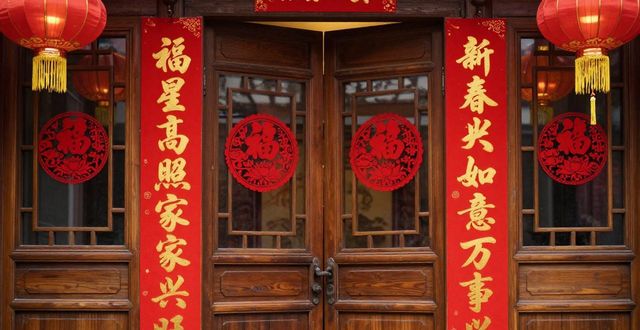
Spring Festival, or Chinese New Year, is the most important holiday in China, and decorations play a huge role in setting the festive mood. For anyone looking to celebrate authentically—whether you’re hosting a dinner, decorating your home, or just curious about the traditions—knowing what to put up and why can make all the difference. Spring Festival decorations aren’t just about color; they carry deep meanings of luck, prosperity, and warding off evil. Let’s walk through the essentials.
What Do the Red Couplets Really Mean

Red couplets are everywhere during Spring Festival, but they’re more than just pretty signs. These long strips of red paper, usually placed on both sides of a door, are written with poetic phrases wishing for good fortune, happiness, and health. The tradition dates back centuries, and the color red is believed to scare away a mythical beast called Nian. When you see them, know that each character is carefully chosen—some couplets welcome spring, others ask for wealth. It’s common to put them up on New Year’s Eve,right before the big feast. Don’t expect them to stay perfect; they naturally fade and tear over time, which is actually a good sign because it means they’ve absorbed bad energy throughout the year. If you’re buying them, look for bold calligraphy and bright paper. Avoid cheap prints that fade fast. Many foreigners think these are just decorations, but locals see them as protective charms. The couplets should always be hung in pairs—one on each side—and never alone. A single couplet is considered incomplete and brings bad luck.
How to Choose Lanterns for Good Luck
Lanterns are another staple of Spring Festival decorations. They come in all shapes and sizes, from simple round ones to elaborate designs shaped like animals or flowers. The most common color is red, but gold and yellow are also popular because they symbolize wealth. You’ll see them hanging in doorways, on balconies, and along streets. The purpose is quite practical: lanterns light the way for good spirits and guide prosperity into your home. It’s not just about looks. When picking a lantern, pay attention to the material. Paper lanterns are affordable and look great, but they tear easily in wind or rain. Silk lanterns last longer and feel more luxurious. Some people prefer LED-lit lanterns because they’re safer and can stay on all night. But if you want authenticity, go with candle-lit ones, though you need to be careful about fire hazards. The size matters too. A small lantern in a big doorway looks silly, and an oversized one in a small room feels overwhelming. The best approach is to match the lantern to the space. And remember, lanterns are not just for New Year’s Eve; they stay up until the Lantern Festival on the 15th day of the lunar year.
Where to Place the Door Gods and Fu Characters
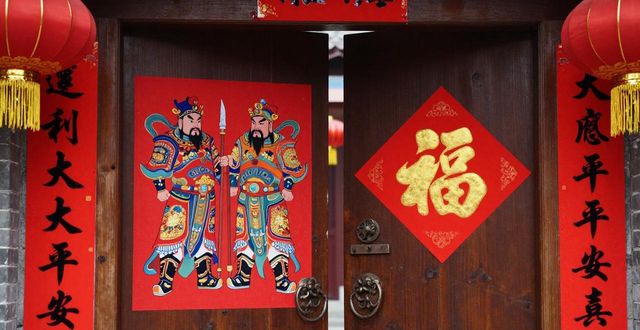
Door gods and the upside-down Fu character are two decorations that often confuse non-Chinese people. Door gods are printed images of fierce warriors, placed on the front door to protect the house from evil spirits. They’re typically pasted in pairs, facing each other. You don’t need to worship them; just having them on your door is enough. Some people choose new ones every year, while others keep the same ones for several years. If the paper is worn out, replace it. The Fu character, meaning fortune, is usually pasted upside down. This is a deliberate play on words. In Chinese, “upside down” sounds like “arrival,” so an upside-down Fu means fortune has arrived. You’ll find it on doors, windows, and even on the refrigerator. Just don’t put it on the front door of a business—that can be seen as bad luck for revenue. For home use, it’s perfectly fine. Many foreigners stick it right-side up, missing the joke entirely. If you want to do it right, flip it over.
Why Paper Cuttings and Flowers Matter
Paper cuttings are delicate artworks often pasted on windows. They show animals like fish, roosters, and dragons, each with specific meanings. Fish stands for abundance, roosters for luck, and dragons for power. These decorations are fragile and time-consuming to make by hand, but you can buy machine-made ones for cheap. Fresh flowers are also big, especially plum blossoms and orchids. They symbolize renewal and growth. Don’t overthink the placement—just put them where they look nice, like the living room or dining table. Some families add kumquat trees, which represent wealth, and bamboo shoots, which mean rising fortune. The key is to keep everything bright and alive. Dead or wilted flowers are a huge no-no during Spring Festival because they represent decay and bad luck. Change the water regularly and remove anything that looks tired. Even if you’re not superstitious, these details help create that authentic festive atmosphere.
The magic of Spring Festival decorations lies not in cost or complexity, but in intention. Every red banner, every lantern, and every upside-down word carries a hope for a better year. Whether you’re putting up your first decoration or your fiftieth, know that you’re joining a tradition that has lasted thousands of years. And that’s something worth celebrating.