
Visiting China in 2026 is less about navigating a labyrinth and more about stepping into a seamless blend of ancient tradition and hyper-modern convenience. For international travelers, the country offers an immersive experience that rivals any destination globally. The key lies in understanding that while the infrastructure is world-class, the digital ecosystem operates on its own distinct rhythm. This guide strips away the confusion, focusing on practical realities like payment systems, transport efficiency, and cultural nuances that define the modern Chinese travel experience.
Mobile Payments and Digital Life

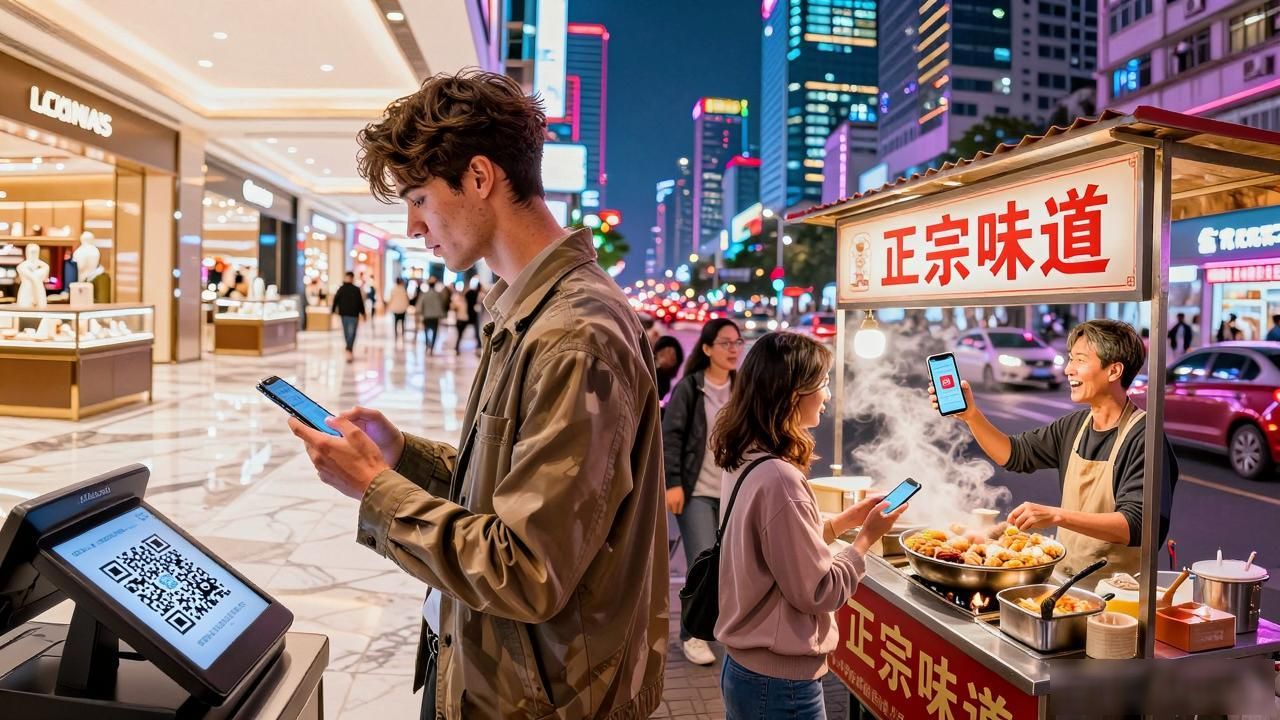
The most significant hurdle for many visitors remains the reliance on cash-free transactions. In major cities, carrying physical money is largely unnecessary and often inconvenient. Alipay and WeChat Pay dominate every sector, from high-end malls to street food stalls. Setting up these apps before arrival is crucial. Tourist-friendly versions now support international credit cards directly, eliminating the need for a local bank account. However, it is wise to have a small amount of cash as a backup for rural areas or smaller vendors who might occasionally face technical glitches. Understanding this digital landscape transforms potential frustration into smooth, efficient exploration.
Transport Efficiency and Connectivity

Getting around China is remarkably easy thanks to the extensive high-speed rail network and modern aviation hubs. The bullet trains connect major cities with punctuality that defies logic, often faster than flying when accounting for airport security. Booking tickets via official apps or platforms like is straightforward and supports foreign passports. Within cities, subway systems are clean, safe, and multilingual. Ride-hailing apps like DiDi have English interfaces, but having the map location ready in Chinese characters can save valuable time during peak hours. The connectivity here is not just about speed; it is about accessibility, making remote historical sites reachable within hours of departure.
Cultural Etiquette and Dining
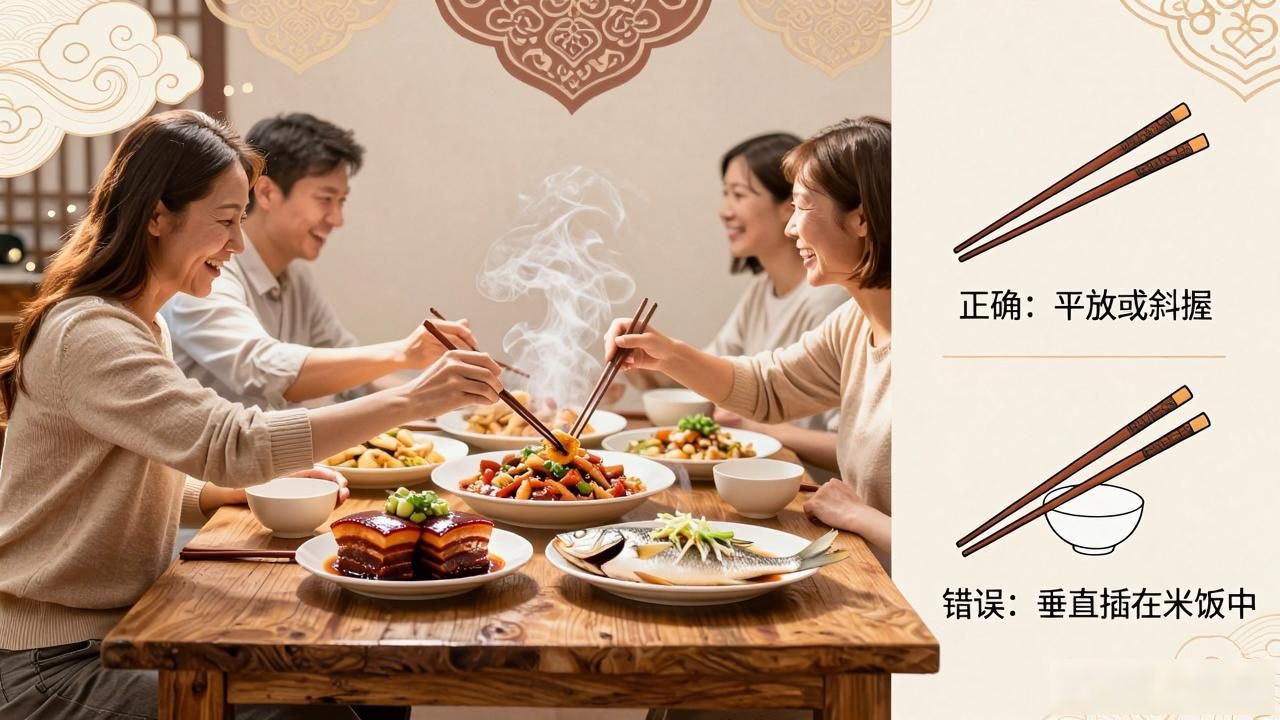
Dining is central to Chinese culture,and understanding basic etiquette enhances the entire journey. Sharing dishes family-style is standard, so familiarize yourself with chopstick manners, such as never sticking them vertically into rice. Spiciness levels vary wildly by region, so communicate preferences clearly. In restaurants, asking for “wei la” (slightly spicy) or “bu la” (no spice) is essential for those unaccustomed to Sichuan or Hunan cuisine. Beyond food, respect for elders and public order is deeply ingrained. Keeping noise levels down in public transport and queues is appreciated. Engaging with locals through simple Mandarin phrases, even basic greetings, often breaks barriers and leads to warmer interactions, revealing the hospitality that defines the true essence of visiting this vast nation.