
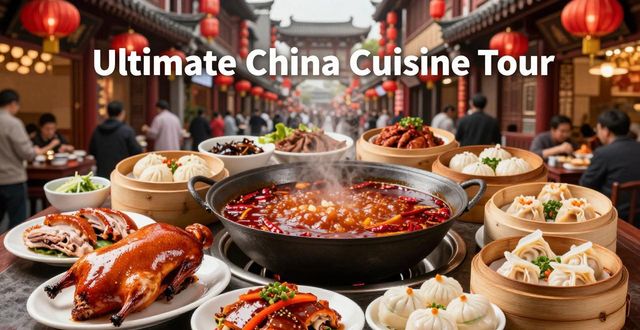
China’s cuisine is a vast, delicious world waiting to be explored. A China cuisine tour goes beyond eating—it’s a cultural deep dive into history and local life. From Sichuan’s fiery hotpots to Guangdong’s delicate dim sum, each region offers unique flavors. This guide highlights top food cities, essential dishes, safety tips for street food, and how to order like a local. Whether you’re a first-time visitor or a seasoned foodie, these insights will help you plan an unforgettable culinary journey across China.
Top Chinese Food Cities
Start your China cuisine tour in Chengdu, home of numbing-spicy Sichuan food. Don’t miss hotpot with bubbling chili oil and mapo tofu that tingles your lips. Next, visit Guangzhou for Cantonese dim sum—steamed shrimp dumplings, barbecue pork buns, and rice rolls. For a different taste, Xi’an offers Muslim-influenced dishes like hand-pulled noodles with cumin lamb. Shanghai excels in sweet and savory red-braised pork and xiaolongbao soup dumplings. Each city has night markets and food streets perfect for sampling multiple dishes.
Beijing is famous for Peking duck, a must-try roast duck feast with pancakes and hoisin sauce. Yunnan province provides wild mushrooms and cross-bridge rice noodles for adventurous eaters. Plan at least two days per city to fully explore. Use apps like Dianping to find local favorites. Remember that food is central to Chinese culture—sharing a meal builds connections. By visiting these culinary capitals, you’ll taste the true diversity of China’s eight great cuisines and countless regional specialties.
Must-Eat Chinese Dishes
On any China cuisine tour, certain dishes stand out. Peking duck tops the list—crispy skin wrapped in thin pancakes with cucumber and sweet sauce. Kung pao chicken combines peanuts, vegetables, and numbing Sichuan peppercorns. Mapo tofu offers soft tofu in a spicy bean-based sauce. Noodle lovers should try Lanzhou hand-pulled beef noodles with clear broth and tender meat. Dumplings (jiaozi) come boiled or pan-fried, often filled with pork and cabbage. Don’t forget spring rolls and scallion pancakes as snacks.
Street food adds more must-eats. Jianbing, a savory crepe with egg and crispy cracker, is a popular breakfast. In Hong Kong, egg waffles and fish balls satisfy cravings. For a lighter option, cold sesame noodles work well in summer. End meals with tangyuan (sweet rice balls) or fresh fruit. Seasonal specialties include hairy crab in autumn and zongzi (sticky rice dumplings) around Dragon Boat Festival. Try everything from barbecue skewers to stinky tofu. Keep a food diary to remember your favorites.
China Street Food Safety Tips
Street food is a highlight but raises hygiene concerns. Follow simple rules: choose stalls with long local lines—that signals freshness. Avoid vendors who handle money and food together. Hot, freshly cooked items are safer than cold salads. Use bottled water for drinking and brushing teeth. Start with small portions to test your tolerance to spices or unfamiliar ingredients. Carry hand sanitizer and use it before eating. Learn allergy phrases in Chinese like “I don’t eat peanuts” or write them on a card.
Pay attention to seafood: avoid raw shellfish from inland cities. Trust your senses—if a stall looks dirty or smells bad, walk away. Popular street foods like chuan’er (grilled skewers) and jianbing are generally safe when prepared fresh. In tourist areas, prices might be higher, but quality often better. Many night markets have English signs. Don’t forget to bargain politely at informal stalls. With these precautions, you’ll enjoy everything from fried dough sticks to sticky rice cakes without digestive issues.
How to Order in Chinese Restaurants

Ordering food without speaking Chinese is possible. Look for restaurants with picture menus or tablet ordering with English. Many hotpot places provide checklists; use Google Translate’s camera feature. Point at what other tables are eating—it’s a common tactic. Learn basic phrases: “zhe ge” (this one),”bu yao la” (no spicy), “mai dan” (check please). For group dining, order family-style: one dish per person plus rice and soup. Start with cold appetizers, then hot dishes. Pour tea for others before your own cup—a polite custom.
Chopstick helpers exist; ask for forks if needed. Tipping is not expected in China. Use Dianping or Meituan apps to find highly-rated restaurants similar to Yelp. For street stalls, just point and hold up fingers for quantity. Avoid peak meal times (12-1pm and 6-7pm) if you dislike crowds. Many restaurants have an open kitchen where you can see dishes being prepared. Don’t be shy to ask for recommendations from staff using translation apps. With these strategies, you’ll navigate any menu confidently and enjoy authentic local meals.
Now it’s your turn: Which Chinese dish are you most excited to try on your cuisine tour? Share your thoughts in the comments, and please like and share this guide with fellow travelers!