
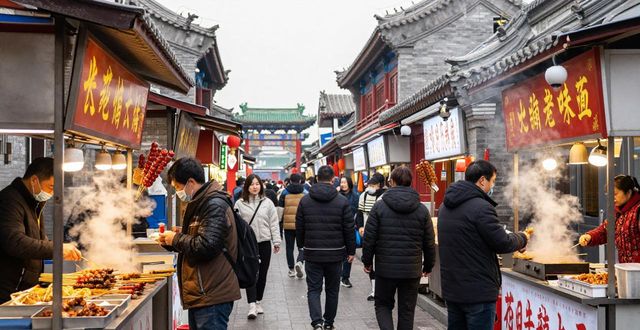
Beijing’s food scene is a wild, wonderful adventure that goes far beyond the famous Peking duck. A proper Beijing food tour isn’t just about eating—it’s about walking into hutongs, smelling sizzling woks, and sharing tiny plastic stools with locals. In this guide, I’ll take you through the must-try dishes, hidden alleyways, and practical tips so you can eat your way through the capital like a seasoned traveler.
What makes Beijing cuisine so special
Beijing food is bold, salty, and surprisingly diverse. Unlike the spicy heat of Sichuan or the delicate sweetness of Shanghai, Beijing cooking relies on fermented sauces, roasted grains, and hearty meats that kept emperors and laborers warm through freezing winters. The star is Peking duck, but the soul of the city lives in humble bowls of zhajiangmian (noodles with fried bean paste) and steaming mutton hot pot. Street vendors serve up jianbing (savory crepes) for breakfast, while night markets offer lamb skewers and tanghulu (candied hawthorn). Every bite tells a story of nomadic influences, imperial kitchens, and modern fusion.

Which street food alleys should I visit first
For an authentic Beijing food tour, skip the tourist-trap Wangfujing and head to Niujie (Muslim Quarter). Here you’ll find melt-in-your-mouth beef pancakes, spicy tofu pudding, and the best sugar-roasted chestnuts in the city. Another goldmine is Huguosi Hutong in Xicheng District—a narrow lane packed with old-timers sipping douzhi (fermented mung bean drink) and biting into jiaoquan (fried dough rings). Don’t be scared by the sour smell of douzhi; it’s an acquired taste, but locals swear it cools your system in summer. For evening eats, the Guijie street stays open until dawn, famous for spicy crayfish and grilled oysters.
How to book a reliable Beijing food tour without getting ripped off
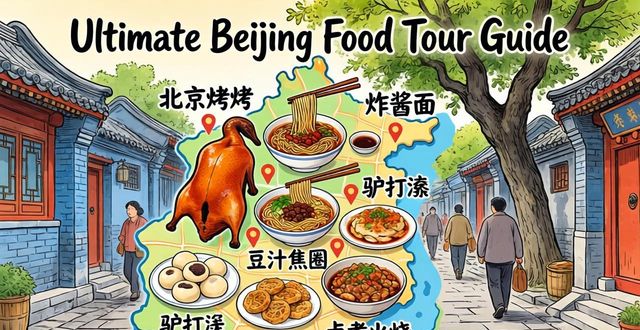
Many group tours overcharge for basic snacks, so do your homework first. Look for small-group walking tours led by local food bloggers or college students—they often charge 300-500 RMB ($40-70) for a three-hour tasting that includes 8-10 stops. Platforms like Klook, Airbnb Experiences, or even WeChat groups (search “Beijing food tour” in Chinese: 北京美食之旅) offer verified reviews. Avoid anyone who offers “free” tours; they usually end at a predetermined restaurant where the guide earns commission on overpriced dishes. A good rule: ask exactly which dishes and how many stalls before booking. Also, carry small change since street vendors rarely take cards or foreign payment apps like Alipay without a local bank account.
Can vegetarians and picky eaters enjoy a Beijing food tour
Absolutely, but you need to know what to order. Traditional Beijing food leans heavy on pork and offal, but the city has a rising vegetarian and Buddhist cuisine scene. Look for “pure vegetarian” signs (纯素) at spots like Jingsi Yuan near the Lama Temple, where you can taste mock duck made from tofu skin and lotus root salad. Street stalls often sell roasted sweet potatoes, smashed cucumber salad, and scallion pancakes that are naturally plant-based. For picky eaters worried about strange textures, stick with jianbing (ask for no meat or egg), steamed buns (mantou), and sesame flatbread. Download a Chinese phrase card: “我不吃肉” (I don’t eat meat) and “少油少盐” (less oil and salt) to show vendors. Many food tour operators now offer custom vegetarian routes, so mention dietary needs when booking.
What are the top dining etiquette tips for foreigners
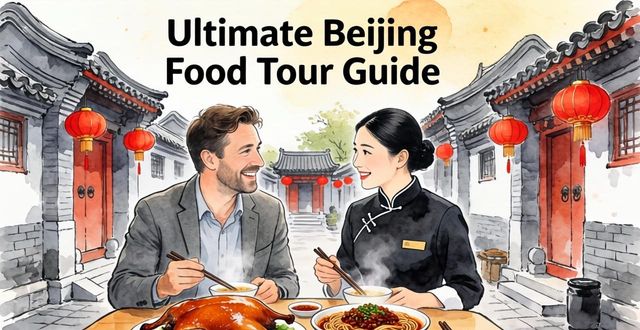
First, never stick chopsticks upright in your rice bowl—it resembles incense sticks for the dead. When sharing a lazy Susan, wait for others to finish before spinning. It’s polite to fill your neighbor’s teacup before your own, and tap two fingers on the table to say “thank you” when someone pours for you. Don’t be offended by loud table talk and slurping; noodles are meant to be slurped to show enjoyment. At a Peking duck dinner, the waiter will demonstrate how to wrap duck slices in pancakes with cucumber and sweet bean sauce—follow their lead but don’t overstuff. Tipping is not expected in most small eateries or street stalls, but upscale restaurants may add a 10-15% service charge. Most importantly, always finish what you take unless you want to signal waste; if you’re full,leave a little food on your plate to show the host provided abundance.
What hidden dish have you tried in Beijing that completely surprised your taste buds? Share your story in the comments, hit like if you found this helpful, and pass it along to a friend who’s planning their first food tour in the capital!