
When people think of traditional Chinese food, they often picture sweet and sour pork or fortune cookies. But real traditional Chinese cuisine is far more diverse and profound. It is not just about taste—it is a reflection of history, geography, philosophy, and family values. For thousands of years, Chinese people have developed cooking methods and ingredient combinations that balance flavor, nutrition, and even medicine. In this guide, I will walk you through the authentic features of traditional Chinese food, clear up common misunderstandings,and help you truly appreciate what makes it special.
Why does traditional Chinese food taste so different from takeout
Many Westerners first encounter Chinese food through takeout restaurants that adjust recipes for local preferences. Real traditional Chinese food relies on five core flavors: sweet, sour, bitter, salty, and umami. These are carefully balanced in every dish. For example, a proper Sichuan dish uses numbing peppercorns and dried chilies not just for heat but to create a layered sensation that stimulates the whole mouth. Takeout versions often simplify this to pure spiciness, losing the original complexity.

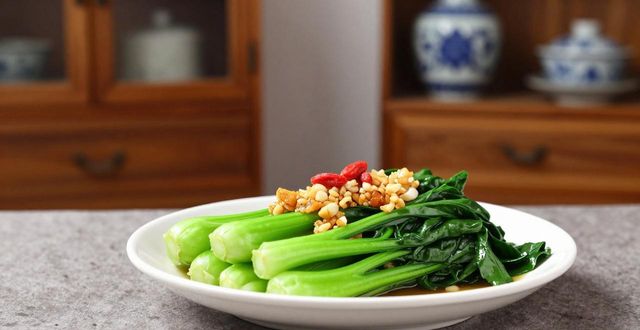
Another key difference is the use of fresh, seasonal ingredients. Traditional Chinese cooks never rely on heavy sauces to mask low-quality produce. A simple stir-fried green vegetable with garlic and a touch of salt should taste vibrant and slightly sweet from the vegetable itself. Takeout meals tend to use frozen vegetables and thick, sugary sauces. To experience authentic flavors, look for restaurants that cook with what is in season and avoid overusing cornstarch or MSG as a shortcut.
What are the most important cooking methods in traditional Chinese cuisine
Steaming is one of the oldest and healthiest methods. It preserves the natural texture and nutrients of ingredients without adding oil. Dim sum like har gow (shrimp dumplings) and steamed fish with ginger and scallions showcase this technique. The fish must be ultra-fresh because steaming leaves no room to hide any off-flavors. This method also reflects the Chinese value of simplicity and respect for the original taste of food.
Stir-frying over high heat, or “wok hei,” is another signature technique. It requires rapid tossing in a seasoned wok to create a smoky aroma. Dishes like beef with broccoli or fried rice depend on this quick cooking to keep vegetables crunchy and meat tender. Boiling, braising, and double-boiling soups are equally essential. For instance, a slow-braised pork belly (hong shao rou) takes over an hour to become melt-in-your-mouth soft. Each method serves a specific purpose, from preserving crispness to extracting every drop of flavor from bones and herbs.
How does traditional Chinese food connect to health and medicine
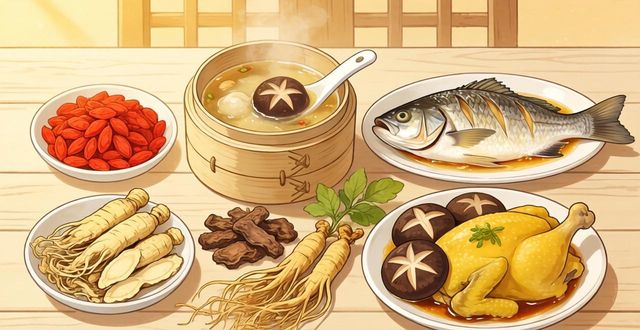
The concept of “food as medicine” is deeply rooted in Chinese culture. Many traditional dishes are designed to balance the body’s internal energy, or qi. For example, ginger and brown sugar tea is commonly consumed during cold weather or after getting caught in the rain because it warms the stomach and expels cold. Similarly, soups made with goji berries, Chinese yam, and red dates are believed to nourish blood and improve energy levels. These are not just old wives’ tales—they are everyday practices passed down through generations.
Seasonal eating is another health-related principle. In summer, people eat cooling foods like mung bean soup and bitter melon to reduce internal heat. In winter, hearty stews with lamb and warming spices are preferred. Traditional Chinese meals also follow a structural logic: a bowl of rice or noodles as the base, one or two meat or tofu dishes, and at least one vegetable dish. This ensures a balance of carbohydrates, protein, fiber, and vitamins. Even the order of eating—starting with soup and finishing with rice—is believed to aid digestion.
Which traditional Chinese dishes should every foreigner try first
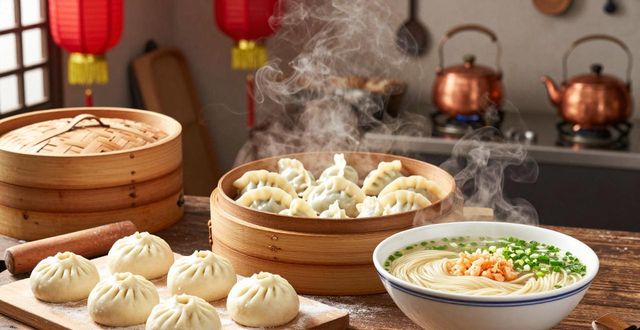
Start with dumplings (jiaozi). They represent reunion and prosperity, often made at home during Lunar New Year. A good dumpling has a thin, chewy wrapper and a juicy filling of pork, cabbage, and chives. Dip it in black vinegar and chili oil for the full experience. Unlike frozen supermarket dumplings, handmade ones burst with broth when you bite into them. They are also fun to make—many Chinese families gather to wrap dumplings together.
Next, try Peking duck. This dish requires a whole duck roasted until the skin is glassy and crisp. The traditional way to eat it is to wrap a piece of crispy skin and tender meat in a thin pancake with cucumber, scallion, and sweet bean sauce. The contrast of crunch, softness, and savory sweetness is unforgettable. Finally, do not miss hot pot. It is a social meal where you cook raw meats, vegetables, and tofu in a simmering pot of broth at your table. The broth can be mild, spicy, or a split pot (yuanyang) with both. Hot pot shows how Chinese food values sharing, customization, and freshness above all.
Now I would like to ask you: Have you ever tried an authentic traditional Chinese dish that surprised you? What was it, and how did it change your view of Chinese cuisine? Please share your story in the comments, and if you found this guide helpful, give it a like and share it with friends who love exploring real food cultures.