
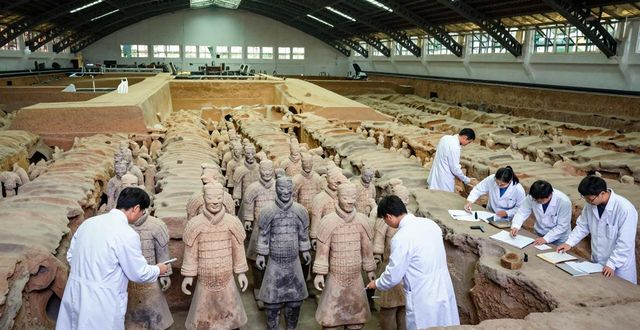
Xian, the ancient capital of China for over a dozen dynasties, is a living museum of history and culture. From the legendary Terracotta Warriors to the well-preserved City Wall, this city offers travelers a chance to step back in time. In this guide, I’ll walk you through the most unforgettable cultural attractions in Xian, based on my years of exploring the city’s heritage sites.
What makes the Terracotta Warriors so special

Discovered in 1974 by local farmers, the Terracotta Army is often called the eighth wonder of the world. Over 8,000 life-sized soldiers, chariots, and horses were buried with Emperor Qin Shi Huang to protect him in the afterlife. Each warrior has unique facial features, hairstyles, and armor, showing incredible craftsmanship from over 2,200 years ago. The three main pits cover an area larger than a football field, and archaeologists are still digging. To avoid crowds, arrive right when the site opens at 8:30 AM, and consider hiring a guide to explain the history behind each pit.
Can you bike on the Ancient City Wall
Xian’s City Wall is the most complete ancient city wall in China,stretching 14 kilometers around the old town. Built in the Ming Dynasty on foundations from the Tang Dynasty, it offers a fantastic view of both modern and traditional Xian. You can rent a bicycle on top of the wall, which is wide enough for two riders side by side. The full loop takes about 90 minutes at a leisurely pace, with many watchtowers to stop and explore. Sunset is the best time to visit, when the wall’s lanterns light up and you see the city turning golden. Don’t miss walking the wall at night, as the cool breeze and glowing atmosphere make it magical.
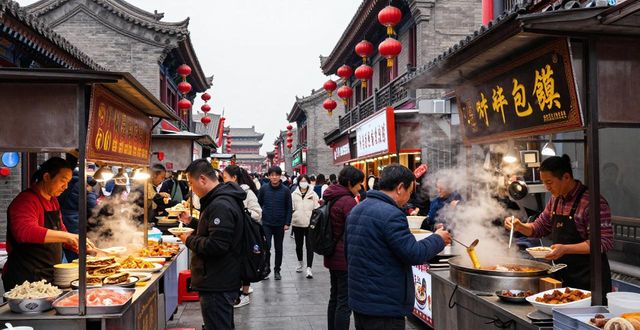
The Muslim Quarter a feast for all senses
Right behind the Bell Tower, the Muslim Quarter has been a bustling bazaar for over a thousand years. This is where the Silk Road’s Arab and Persian merchants settled, blending Islamic culture with Han Chinese traditions. The narrow alleys are packed with food stalls selling local treats like hand-pulled noodles, lamb skewers, and persimmon cakes. You’ll also spot the Great Mosque, a hidden gem with traditional Chinese architecture adapted for Muslim prayer. For an authentic experience, join a food tour that takes you to family-run stalls that have been open for decades. The quarter is busiest in the evening, so visit before 4 PM if you prefer less chaos.
Is the Big Wild Goose Pagoda worth the visit
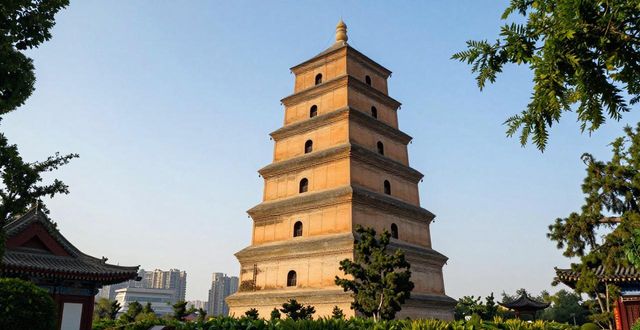
Built in 652 AD to store Buddhist scriptures brought back from India by the monk Xuanzang, the Big Wild Goose Pagoda is a symbol of Xian. The seven-story brick structure stands 64 meters tall and has survived earthquakes and wars for over 1,300 years. You can climb the narrow stairs inside for sweeping views of the city, and the surrounding garden features beautiful statues and fountains. The daily musical fountain show at North Square is the largest in Asia, with water dancing to traditional and modern tunes at noon and 8 PM. Come in spring or autumn when the weather is pleasant, and combine your trip with the nearby Shaanxi History Museum to fully understand the Tang Dynasty’s glory.
What’s your favorite type of cultural attraction in Xian – ancient army ruins, city walls, historical markets, or Buddhist pagodas? Let me know in the comments, and if you found this guide helpful, please share it with fellow travelers and give it a like!