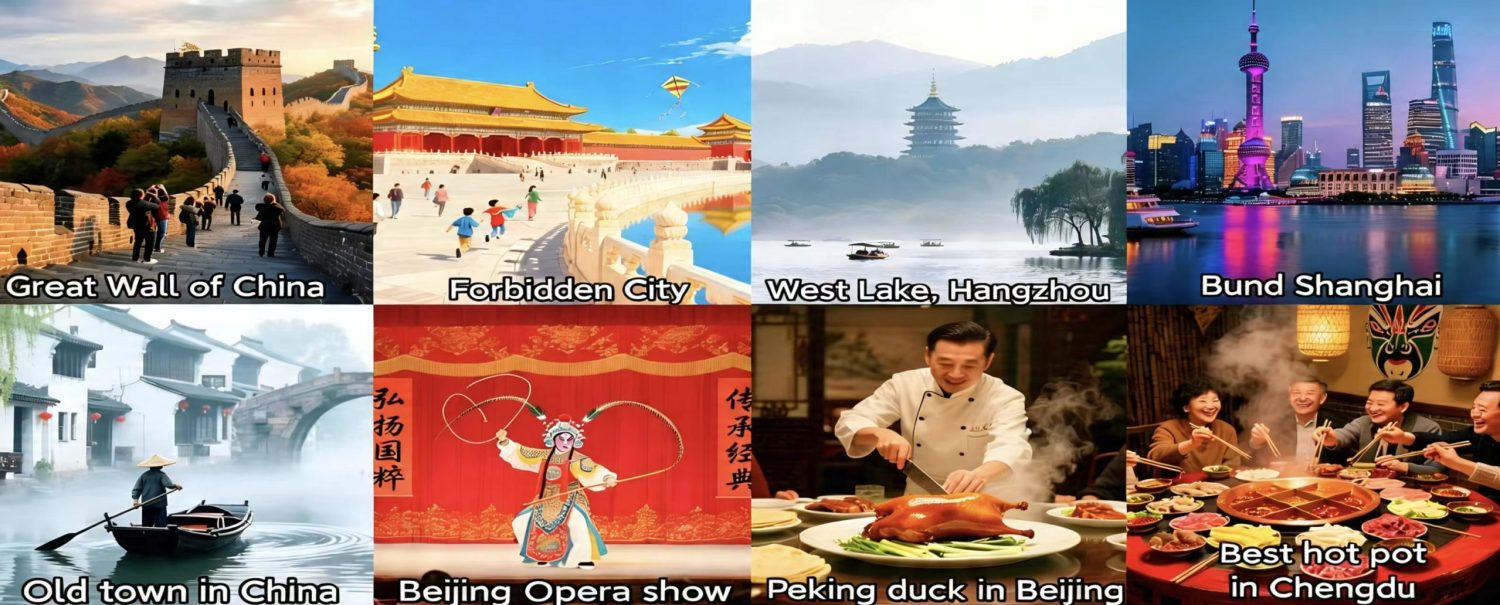
China‘s food culture stretches far beyond a single restaurant visit. Across the country, hundreds of festivals and street bazaars pop up every season, pulling families, travelers, and food obsessives into shared meals that run well past midnight. If you’re an international visitor trying to figure out which events are worth your time and when to book your trip, this should point you in the right direction.
What food events in China look like

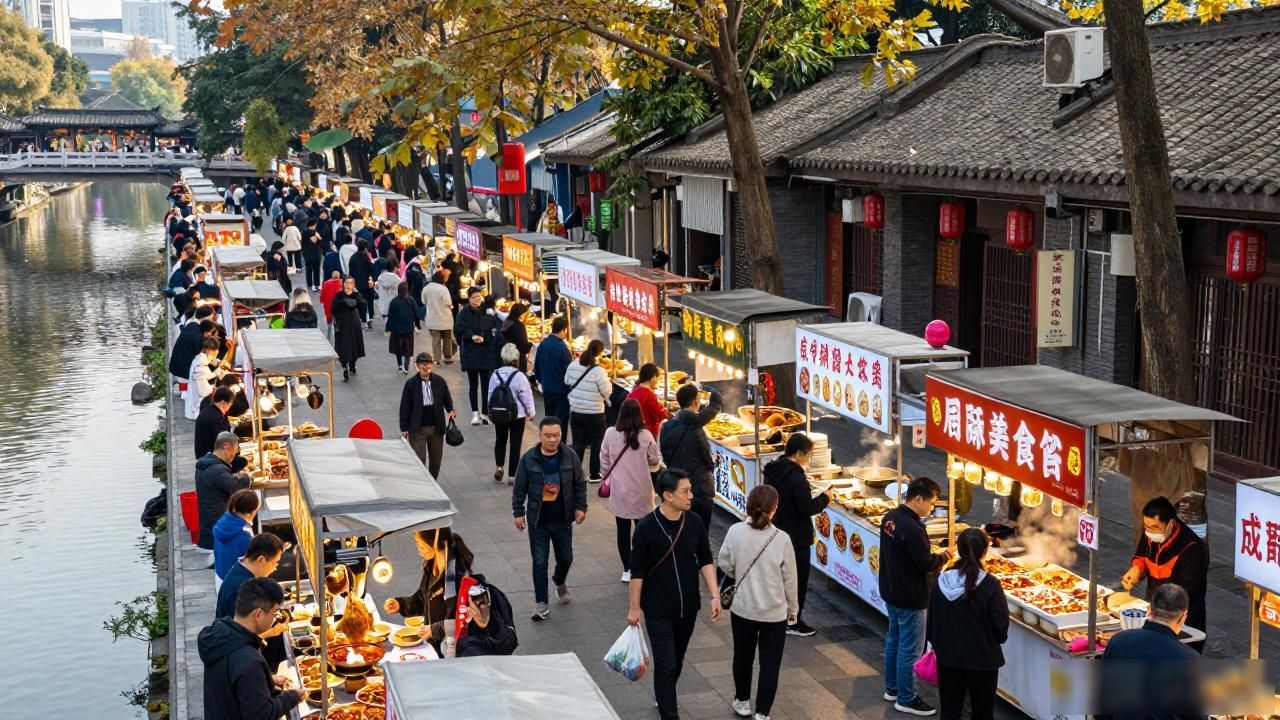
Most events range from a single weekend to three full weeks, and they rarely stay indoors. Stalls cluster along riverbanks, old-city alleys, and open plazas. The Chengdu International Food Festival, held every October, is a good benchmark: over 800 vendors line the streets, and the crowd swells past a million. You’ll see live wok-flipping, noodle-pulling performances, and rows of charcoal-grill smoke drifting over hundreds of plastic tables stacked with dan dan noodles and cumin-lamb skewers.
The vibe differs sharply from a Western food market. Noise levels are higher, lines move faster, and “tasting” often means actually ordering a full plate rather than a tiny sample. Local families bring kids; office workers come straight off lunch break. There’s a raw, almost competitive energy in the crowds.
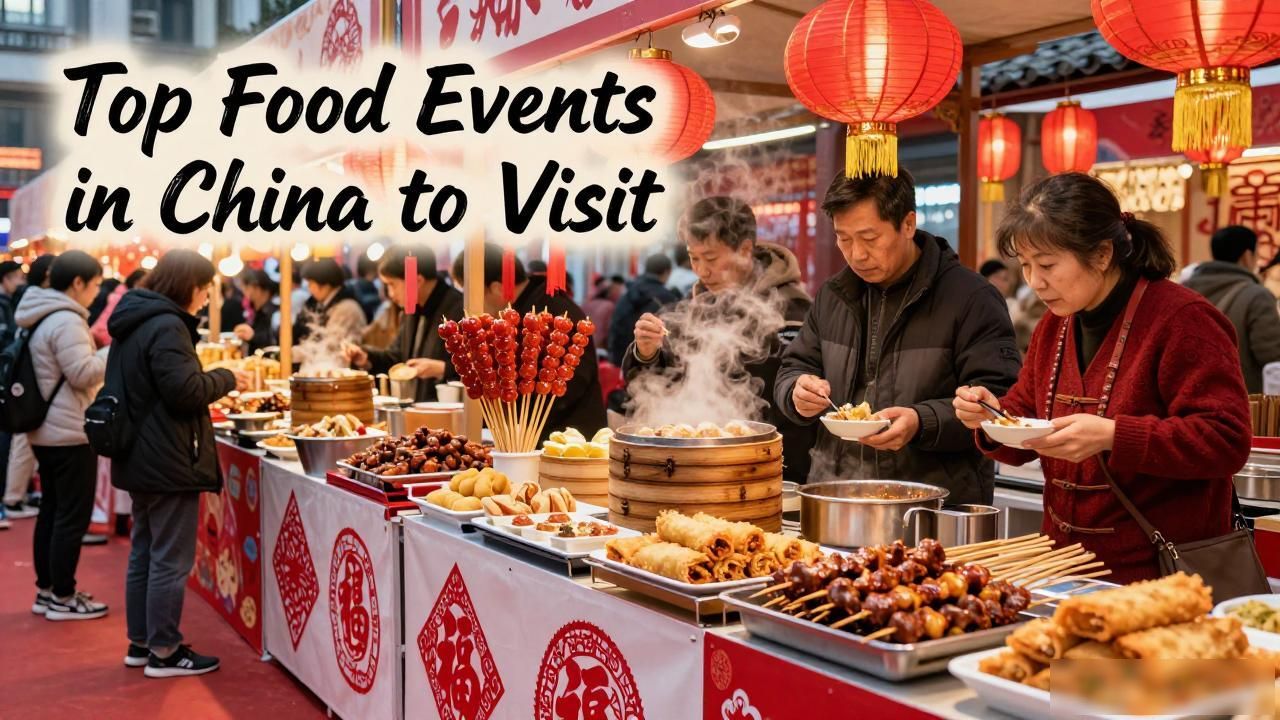
When are food events in China held
Peak season runs June through September, with the Shanghai International Food Festival launching in late July and Harbin’s riverside fair following in November. Spring markets tie into harvest cycles—fermented-bean fairs in Yunnan, peach festivals in Shandong, and the Yangzhou cold-food gathering in May. Winter events are fewer but intense, centered around hot-pot culture in Beijing and the northeast provinces.
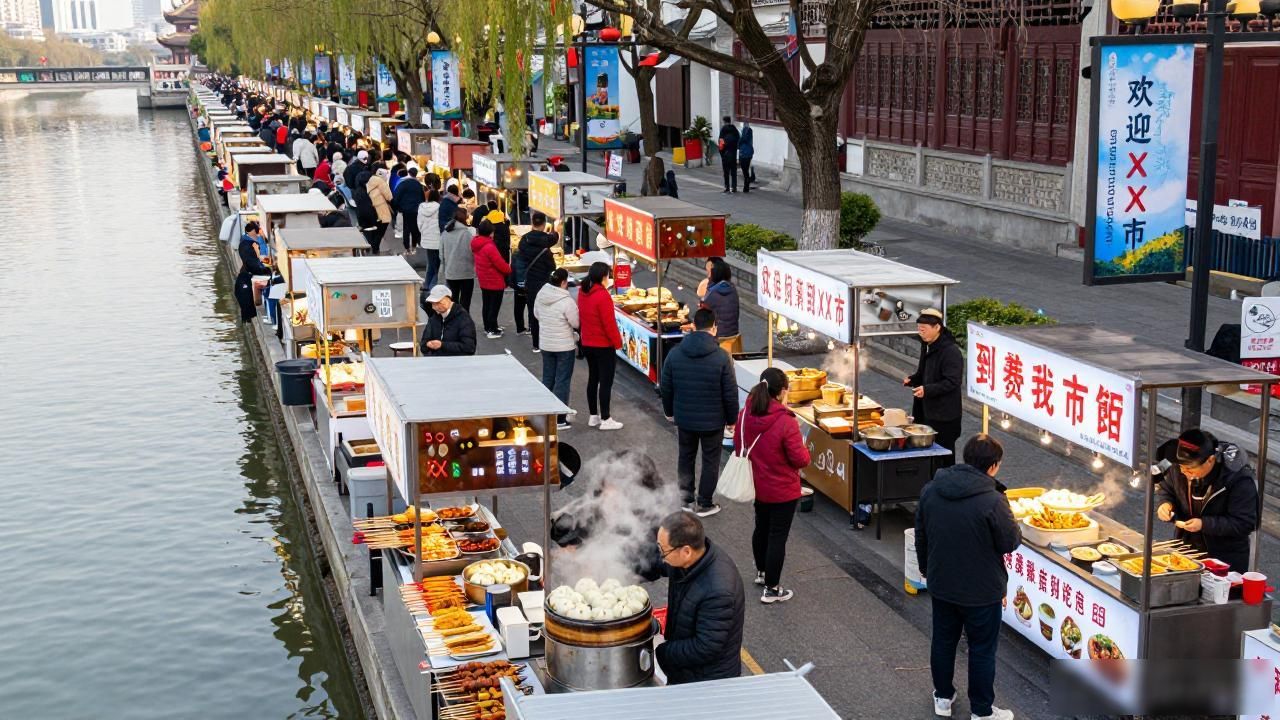
Schedules shift every year, so check the city’s tourism WeChat account or official site at least six weeks ahead. Some stalls only appear on specific weekdays, and the best spots near the river usually sell out by early afternoon.
You don’t need a culinary background or a guide to enjoy any of this. Pack an empty stomach,a little extra cash for haggling at the skewer stands, and a shirt you genuinely don’t mind staining. The best seats are always the wobbly plastic stools at the back of the crowd, where the smoke is thickest and the portions biggest.