
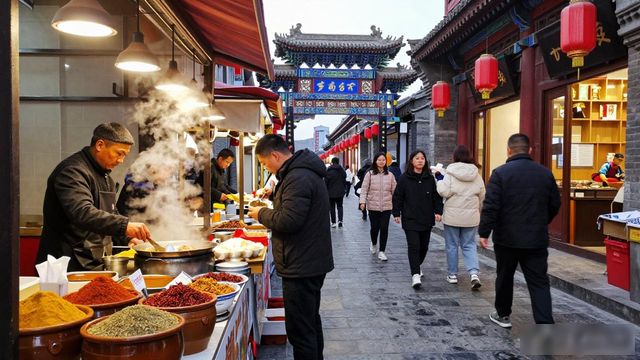
Xi’an is more than just the home of the Terracotta Warriors. For any traveler visiting China, the city’s food culture is a raw, unfiltered experience that hits you right in the senses. From sizzling lamb skewers to hand-pulled noodles that dance in the air, this ancient capital offers a culinary journey that feels both exotic and deeply authentic.
What makes the Muslim Quarter a must-visit for food lovers

The Muslim Quarter, or Huimin Street, is the beating heart of Xi’an’s street food scene. This area has been a trading hub since the Tang Dynasty, blending Central Asian spices with local Chinese cooking techniques. When you walk through the narrow alleys, the air is thick with cumin, chili oil, and charcoal smoke. You will see vendors pulling noodles by hand,flipping flatbreads in giant clay ovens, and grilling skewers over open flames. The energy here is electric, and the food is made right in front of you. It is not a polished restaurant experience. It is messy, loud, and unforgettable.
For a first-time visitor, the sheer variety can be overwhelming. But the key is to start with the most iconic dish: Yangrou Paomo, or lamb stew with shredded flatbread. You get a whole wheat bun, and you must tear it into tiny pieces with your hands. The staff then takes your bowl, adds rich lamb broth, slices of tender meat, and vermicelli noodles. Every table has a jar of pickled garlic and chili sauce. You eat it slowly, dipping the bread into the broth. This is not fast food. This is a ritual that has been practiced for over a thousand years.
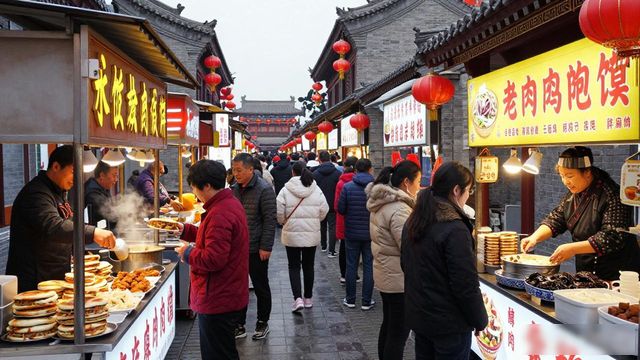
How to truly taste Xi’an like a local without missing the classics
Do not just eat the famous dishes. Dive into the small things. Look for a vendor selling liangpi, which are cold rice noodles drenched in a tangy vinegar and chili oil dressing. The texture is slippery and refreshing. Then, find someone making roujiamo, often called the Chinese hamburger. It is chopped braised pork stuffed into a crispy, baked flatbread. The meat is fatty, juicy, and packed with star anise and cinnamon. It is simple but deeply satisfying.
Another must-try is the biangbiang noodles. These are thick, belt-like noodles served with a mix of chili flakes, garlic, and hot oil poured right on top. The sizzle sound is part of the experience. You will see the Chinese character for biang has over 57 strokes, and locals love to joke about how hard it is to write. But no one jokes about how good it tastes.
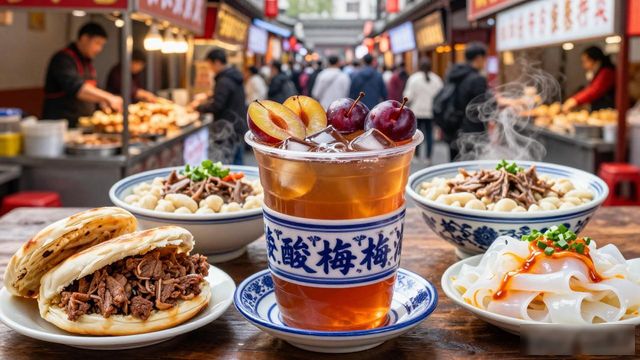
Finally, wash everything down with a glass of suanmeitang, a sour plum drink that cuts through the grease. It is sweet, tart, and served cold. Many visitors ignore the drinks, but locals know it is the perfect palate cleanser between heavy dishes.
The real magic of Xi’an food culture is not in fancy restaurants. It is in the chaos of the street, the generosity of the vendors, and the way every dish tells a story of the Silk Road. You do not need a guidebook. Just follow your nose and eat everything you see.