

The Palace Museum, also known as the Forbidden City, stands as the world’s largest and best-preserved wooden palace complex. It served as the imperial home for 24 Ming and Qing emperors over nearly 500 years. Today, it houses over 1.8 million cultural relics, making it one of the most visited museums on Earth. Understanding its layout, history, and practical visiting rules can transform a simple tour into an unforgettable journey through China’s royal past. This guide will answer your most pressing questions about planning a smooth and enriching visit.
Palace Museum history facts

The construction of the Forbidden City began in 1406 under Emperor Yongle of the Ming Dynasty and took 14 years and over a million workers to complete. It was designed to be the earthly reflection of the Purple Palace, where the Celestial Emperor lived in Chinese mythology, hence the name “Forbidden City” because commoners could never enter without permission. The complex survived fires, wars, and dynastic changes, including the end of imperial rule in 1911. In 1925, it was transformed into the Palace Museum, opening its gates to ordinary people for the first time. Exploring these history facts helps visitors appreciate why every hall, gate, and courtyard holds centuries of political intrigue and cultural evolution.
Best time to visit Palace Museum
Spring (April to May) and autumn (September to October) are widely considered the best seasons to explore the Palace Museum. During these months, Beijing enjoys mild temperatures,low humidity, and clear blue skies, which make walking through the vast outdoor courtyards comfortable. Autumn is especially beautiful because the ginkgo trees turn golden, creating stunning contrasts against the red walls and yellow glazed tiles. Avoid Chinese national holidays like National Day week (October 1-7) and Labor Day, when visitor numbers can exceed the daily cap of 80,000. Weekdays, especially Tuesday through Thursday, see significantly fewer crowds, allowing you to linger at popular spots like the Hall of Supreme Harmony.
How to buy Palace Museum tickets
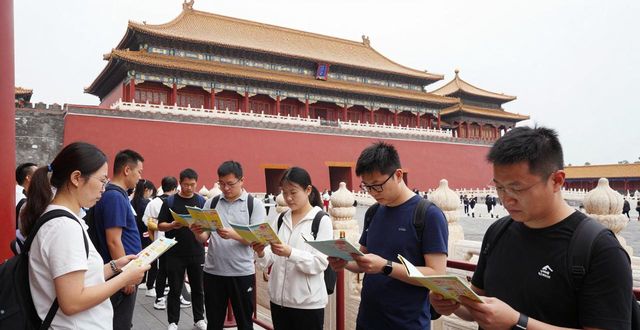
Tickets for the Palace Museum are not sold at the entrance on the day of your visit. You must purchase them online exclusively through the museum’s official WeChat mini-program or website, which opens ticket sales seven days in advance. Each ID (passport for foreigners) can buy only one ticket per day, and entry time slots are divided into morning (8:30-11:00) and afternoon (11:00-15:10). Prices are 60 RMB for peak season (April-October) and 40 RMB for off-season (November-March), with discounts for students and seniors. The system often crashes during high-demand periods, so book as soon as tickets are released at 8:00 PM Beijing time. Never buy from scalpers or third-party resellers, as fake tickets are common.
Must see treasures in Palace Museum
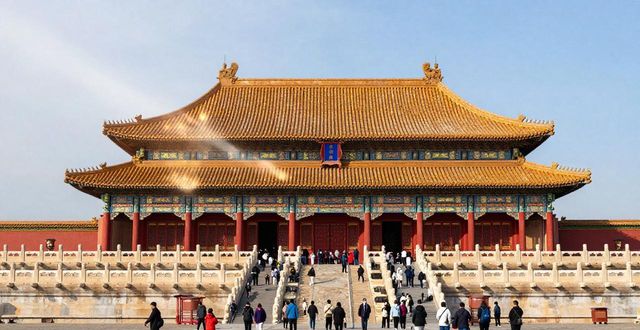
While the entire complex is awe-inspiring, three absolute must-see treasures stand out among the 1.8 million relics. The first is the “Stone Drum” from the Qin Dynasty, engraved with ancient Chinese poetry that predates even the unification of China. The second is the “Golden Throne” in the Hall of Supreme Harmony, a symbol of imperial power carved from precious wood and coated in pure gold leaf. The third is the “Daggers’ Coins” exhibit, showcasing over 2,000 pieces of ancient currency that reveal the economic history of dynasties. For art lovers, the Painting and Calligraphy Gallery rotates rare works by masters like Gu Kaizhi and Zhao Mengfu. Give yourself at least four hours to see these highlights without rushing.
What part of the Palace Museum’s history or architecture would you most love to see in person, and why? Share your thoughts in the comments, and don’t forget to like and pass this guide to fellow travelers planning their Beijing adventure.