
Hot pot is more than just a meal; it is a communal ritual that bridges cultures through shared warmth and flavor. While traditional broths vary by region, the soul of the dish often lies in the dipping sauces. For international diners, navigating this condiment landscape can be overwhelming yet exhilarating. Understanding how to craft or select unique hot pot seasonings transforms a standard dinner into a memorable culinary adventure. This exploration moves beyond basic soy sauce and sesame paste, digging into global flavors that redefine the experience.
What makes unique hot pot seasonings stand out globally?

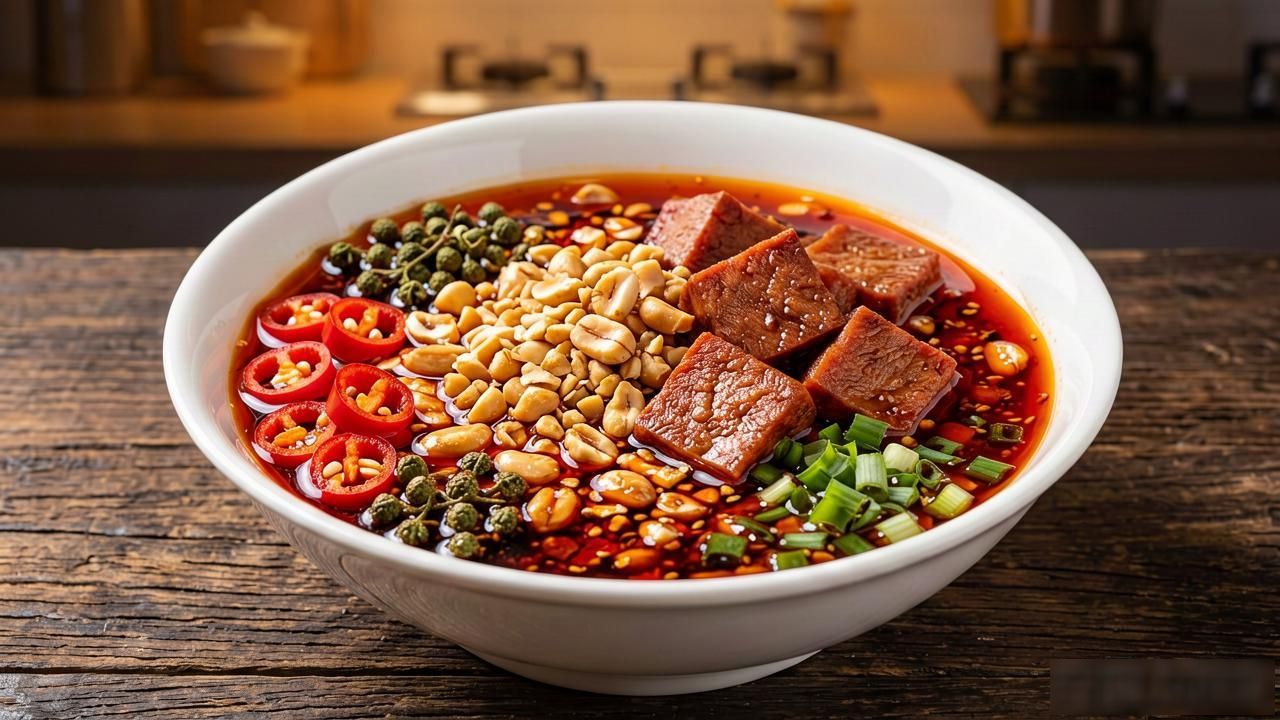
The magic of distinctive dipping sauces comes from unexpected ingredient pairings that challenge conventional taste buds. In Sichuan cuisine, the classic oil dip is bold, but integrating elements like crushed peanuts with fermented bean curd creates a creamy, umami-rich profile that stands in stark contrast to the spicy broth. Meanwhile, Cantonese styles often rely on simplicity, using light soy sauce with ginger and scallions. However, adding a splash of rice vinegar or a hint of chili oil introduces a tangy kick that cuts through the richness of beef slices effectively.
Asian fusion trends have further expanded these possibilities by introducing Western ingredients into traditional Asian bases. Consider mixing tahini with gochujang for a nutty, spicy kick that works exceptionally well with seafood hot pots. Another popular variation involves blending hoisin sauce with a dash of balsamic vinegar, creating a sweet and sour depth that complements lamb skewers beautifully. These hybrid sauces demonstrate how unique hot pot seasonings can adapt to local palates while maintaining authenticity.
How to customize your own signature hot pot dipping sauce?
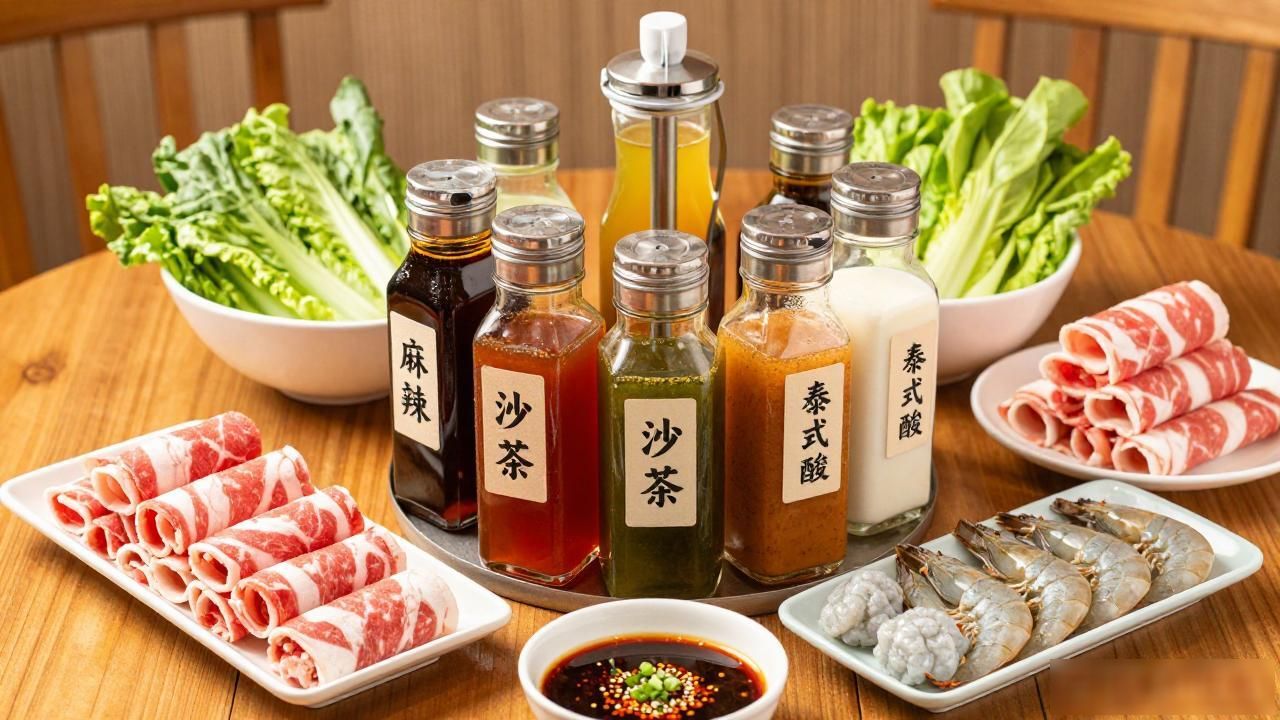
Creating a personalized sauce requires understanding the balance between salty, sweet, sour, and spicy elements. Start with a base—whether it’s sesame paste, soy sauce, or even olive oil for a Mediterranean twist. Then, add aromatics like minced garlic, fresh cilantro,or fried shallots to build complexity. For those who enjoy heat, incorporating chili crisp or sriracha adds a vibrant punch. The key is to experiment incrementally, tasting as you go to ensure the flavors harmonize rather than clash.
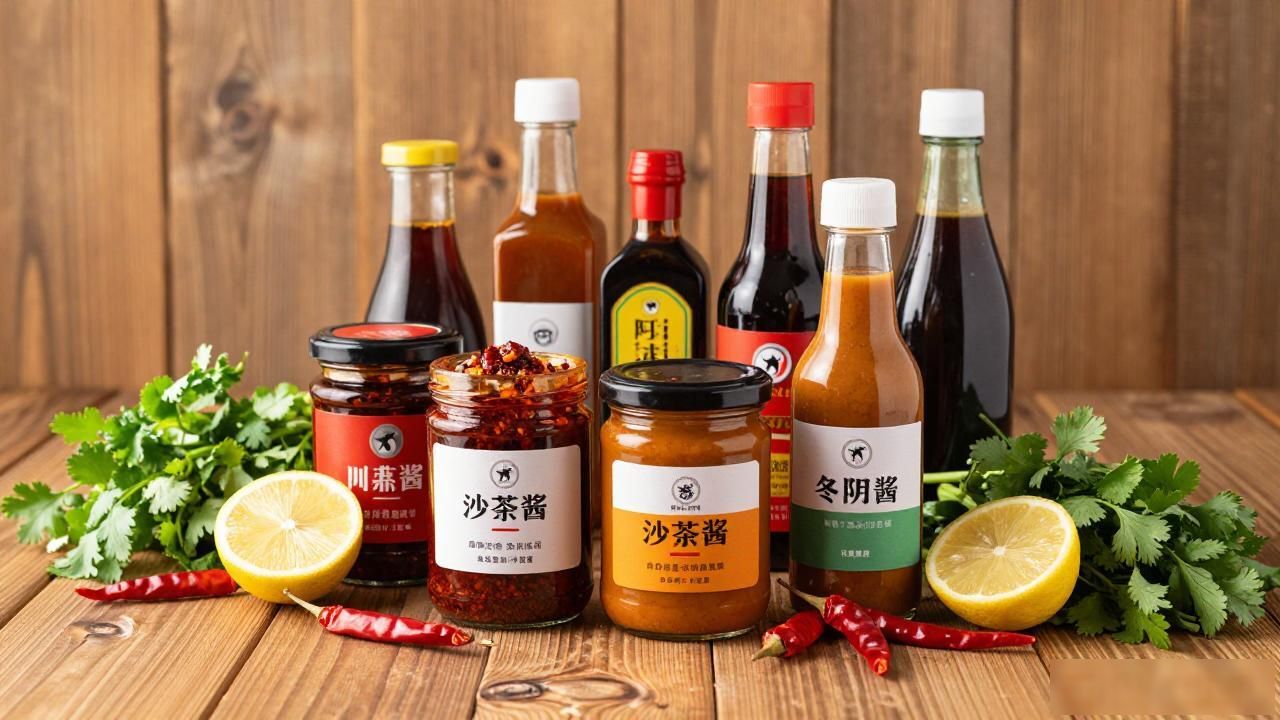
Texture also plays a crucial role in the overall enjoyment of the dipping sauce. Adding crushed nuts, such as cashews or almonds, provides a satisfying crunch that contrasts with tender meat and vegetables. Some enthusiasts prefer a smoother consistency, achieved by blending ingredients in a food processor, while others enjoy the rustic feel of chunky salsas made with diced tomatoes and onions. By adjusting these textural elements, you can tailor the sauce to match your preferred eating style. Ultimately, mastering these techniques allows anyone to create unique hot pot seasonings that reflect their individual tastes.