
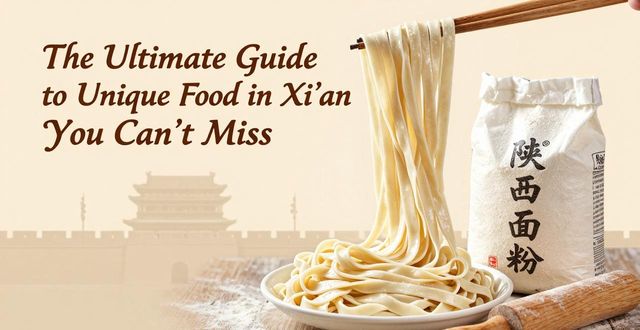
Xi’an, the ancient capital of China, is not only famous for the Terracotta Warriors but also a paradise for adventurous eaters. The city’s food culture, shaped by the Silk Road and centuries of history, offers flavors you won’t find anywhere else. From hand-ripped noodles soaked in chili oil to a hearty lamb soup that requires your own effort, Xi’an’s unique dishes tell stories of tradition and local life. In this guide, I’ll walk you through the must-try foods, explain how to eat them like a local, and answer your burning questions about navigating this culinary wonderland.
What makes Xi’an noodles so special

Unlike the soft wheat noodles common in other parts of China, Xi’an’s noodles are thick, chewy, and often hand-pulled or hand-ripped into wide belts. The magic lies in the texture – each bite has a satisfying bounce, thanks to the high-gluten flour and the skillful stretching technique. The most famous is Biangbiang noodles, named after the sound the dough makes when slapped against the counter. These noodles are typically served with a handful of garlic, scallions, and a generous pour of sizzling hot chili oil that turns the dish into a fiery, aromatic masterpiece. Locals say the oil should be so hot that it crackles when it hits the garlic – that’s how you know it’s right.
How to eat Yangrou Paomo like a real local
Yangrou Paomo, or crumbled lamb bread soup, is not a dish you simply order and eat – it’s an experience. You receive a dry, flatbread called “mo” and are expected to tear it into tiny, pea-sized pieces by hand. The smaller you crumble the bread, the better the soup will absorb into every piece. Once you finish,the waiter takes your bowl to the kitchen, where it’s topped with tender lamb, vermicelli, and a rich, spiced broth that has simmered for hours. The trick is to add a spoonful of chili paste and pickled garlic on the side. Never stir the soup – just eat from the edges inward to keep it hot. Locals take this very seriously, and you’ll see them chatting while slowly crumbling bread for 20 minutes.
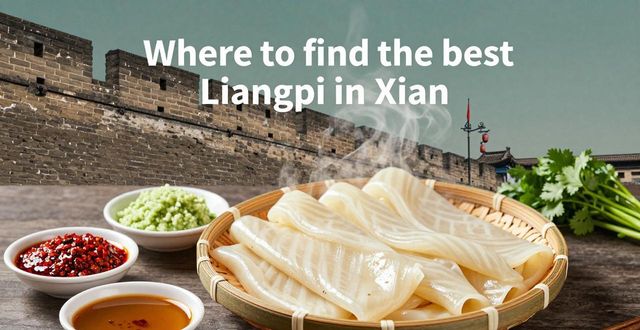
Where to find the best Liangpi in Xi’an
Liangpi, or cold skin noodles, is Xi’an’s answer to summer comfort food. Made from wheat or rice flour, these translucent, slippery noodles are tossed with cucumber shreds, bean sprouts, and a bold mix of vinegar, garlic water, and sesame paste. The real star is the chili oil – each vendor guards their secret recipe. For an authentic experience, skip the fancy restaurants and head to a small street stall in the Muslim Quarter. Look for a long line of locals, not tourists. One beloved spot is the “Sheng Li Liangpi” near the Bell Tower, where the noodles are hand-cut into wide ribbons and the sauce has a perfect balance of numbing spice and tang. Eat it on the spot, standing up, and slurp loudly – it’s a compliment to the cook.
What is the story behind Xi’an’s roujiamo
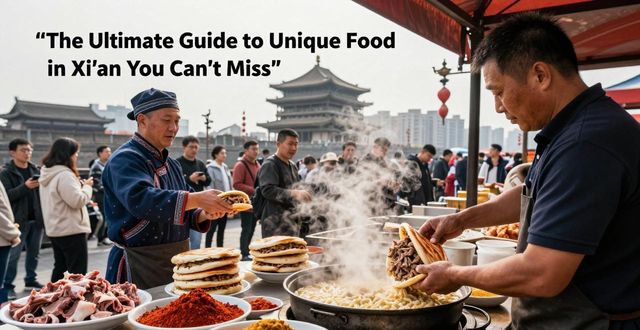
Often called the “Chinese hamburger,” Roujiamo is a street food staple that dates back over 2,000 years to the Qin Dynasty. The “mo” bread is baked in a clay oven until crispy on the outside and fluffy inside, then stuffed with shredded braised pork that has been slow-cooked for hours with over a dozen spices like star anise, cinnamon, and ginger. What makes Xi’an’s version unique is the addition of a small amount of green pepper and cilantro, which cuts through the richness. Bite into it while it’s hot – the contrast between the crunchy bread and the melt-in-your-mouth meat is unforgettable. Some shops even offer a lamb version, but the pork is the original. Pro tip: ask for extra fat in your filling; that’s where the flavor lives.
Have you ever tried making your own Yangrou Paomo by crumbling the bread? Or do you prefer just digging in? Let me know your thoughts in the comments, and if this guide helped you, give it a like and share it with a friend who’s planning a trip to Xi’an!