
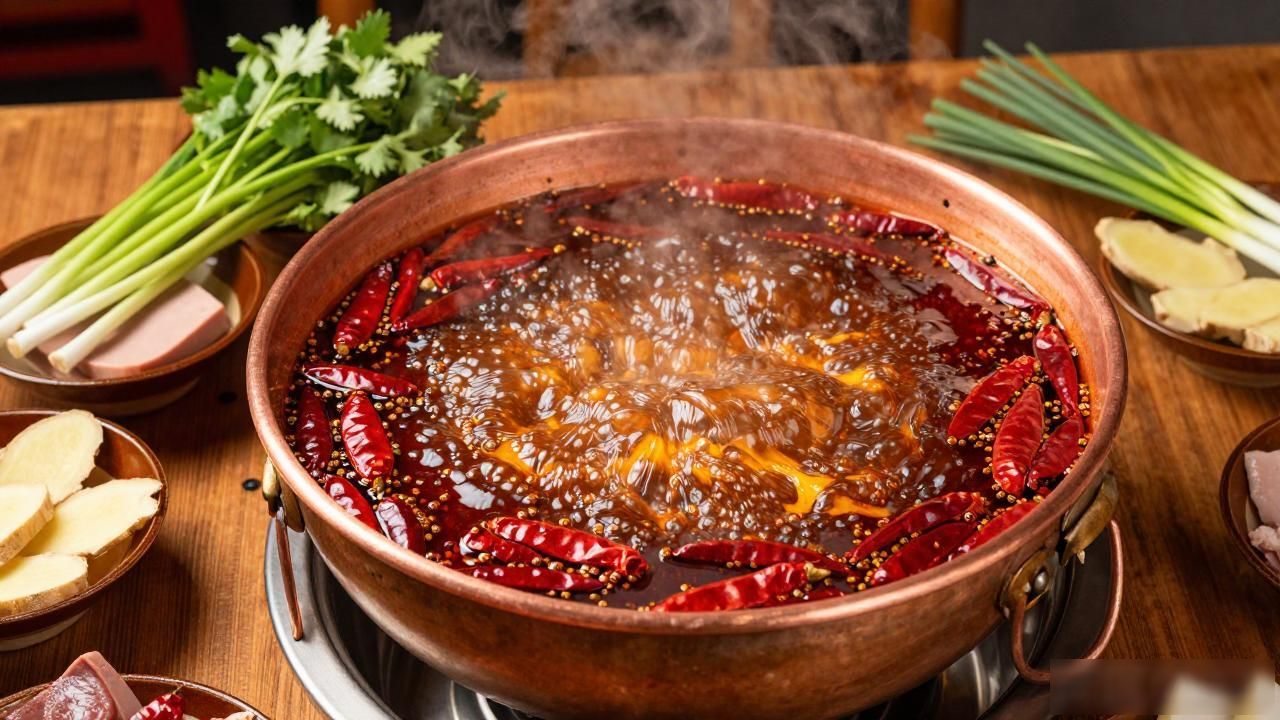
Eating spicy hot pot in China is an adventure that goes far beyond just enduring heat. It is a sensory explosion that defines social dining culture across the country, particularly in the southwest regions like Sichuan and Chongqing. For many foreigners, the concept of “spicy” is misunderstood as merely burning the tongue, but true Chinese spicy hot pot is complex, aromatic, and deeply communal. The key lies in the mala sensation—a unique tingling numbness caused by Sichuan peppercorns combined with the fiery kick of chili oil. Understanding this balance is the first step to mastering the meal.
What Is Mala Flavor and Why Is It Addictive?

The foundation of authentic spicy hot pot is the broth, which starts with a rich base of beef tallow, dried chilies, and thousands of Sichuan peppercorns. This mixture simmers for hours, creating a thick, fragrant layer on top that seals in the heat. The numbing effect of the peppercorns actually opens up the palate, allowing diners to taste the subtle flavors of the ingredients rather than just feeling pain. Many visitors find themselves hooked on this specific combination because it creates a euphoric feedback loop in the brain.
It is important to note that not all spicy hot pots are the same. Northern styles might use fermented bean paste for a savory depth, while the famous Chongqing style relies heavily on animal fat and intense spice. When you sit down at a table,you will often see a divided pot. One side can be mild tomato or mushroom broth for those who need a break, while the other side remains aggressively spicy. This flexibility makes it accessible to everyone, ensuring no one leaves hungry or thirsty.
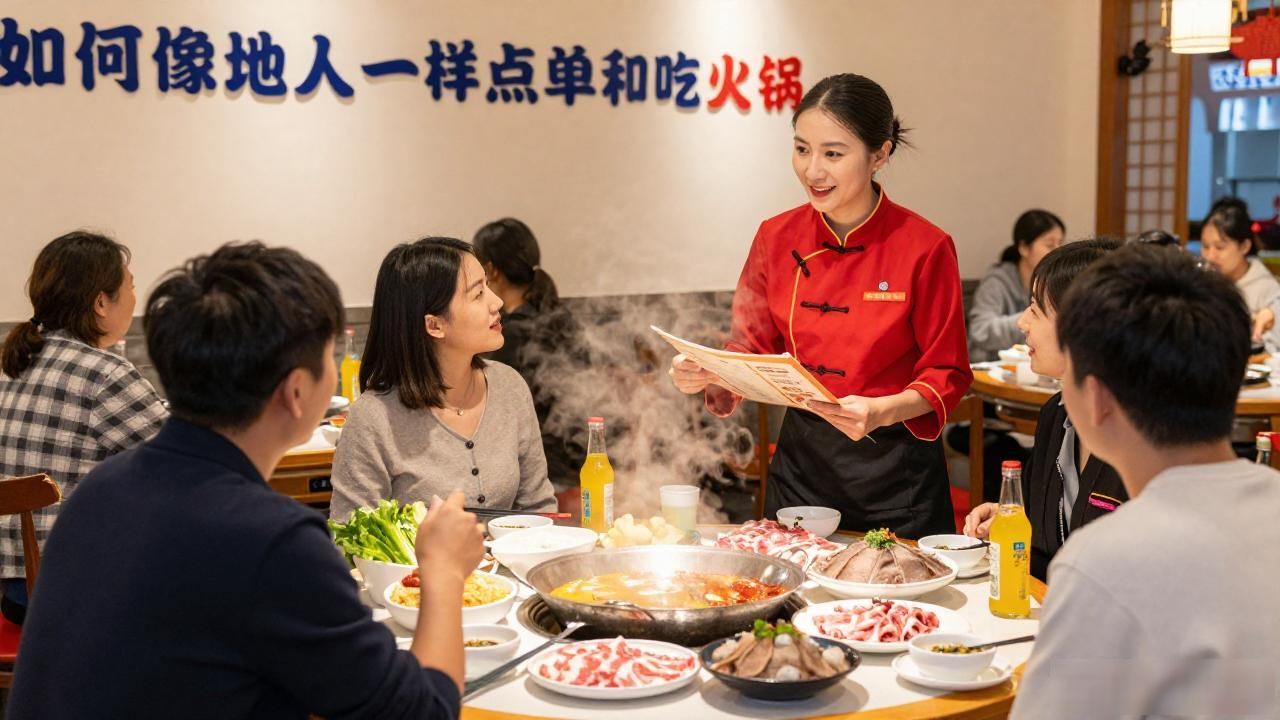
How to Order and Eat Like a Local
Ordering food requires some strategy. While raw beef slices are premium, the real stars are often the offal and textured products. Tripe, duck intestines, and fish maw have distinct crunches that hold the spicy oil beautifully. You must learn the art of timing. Delicate items like leafy greens go in last, while tougher meats need longer simmering. Using a small bowl of sesame oil mixed with minced garlic is the traditional way to cool down the food and add a creamy contrast to the heat.
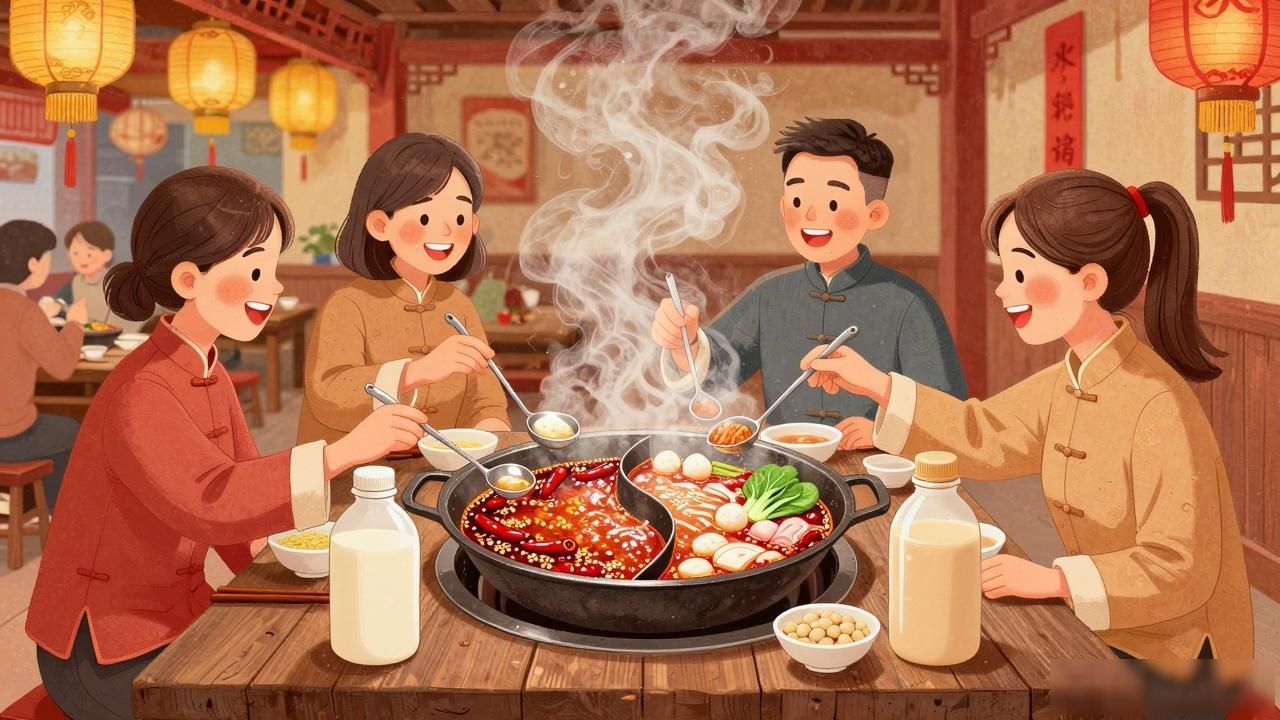
Social etiquette plays a huge role too. Hot pot is rarely eaten alone. It is a slow, leisurely meal where conversation flows as fast as the boiling broth. Locals will warn you to start with small portions if you are new to the spice level. Bringing a large bottle of soy milk or sweet bean soup is essential to cleanse the palate between bites. By following these local customs, you transform from a tourist observer into an active participant in one of China’s most beloved culinary traditions.