
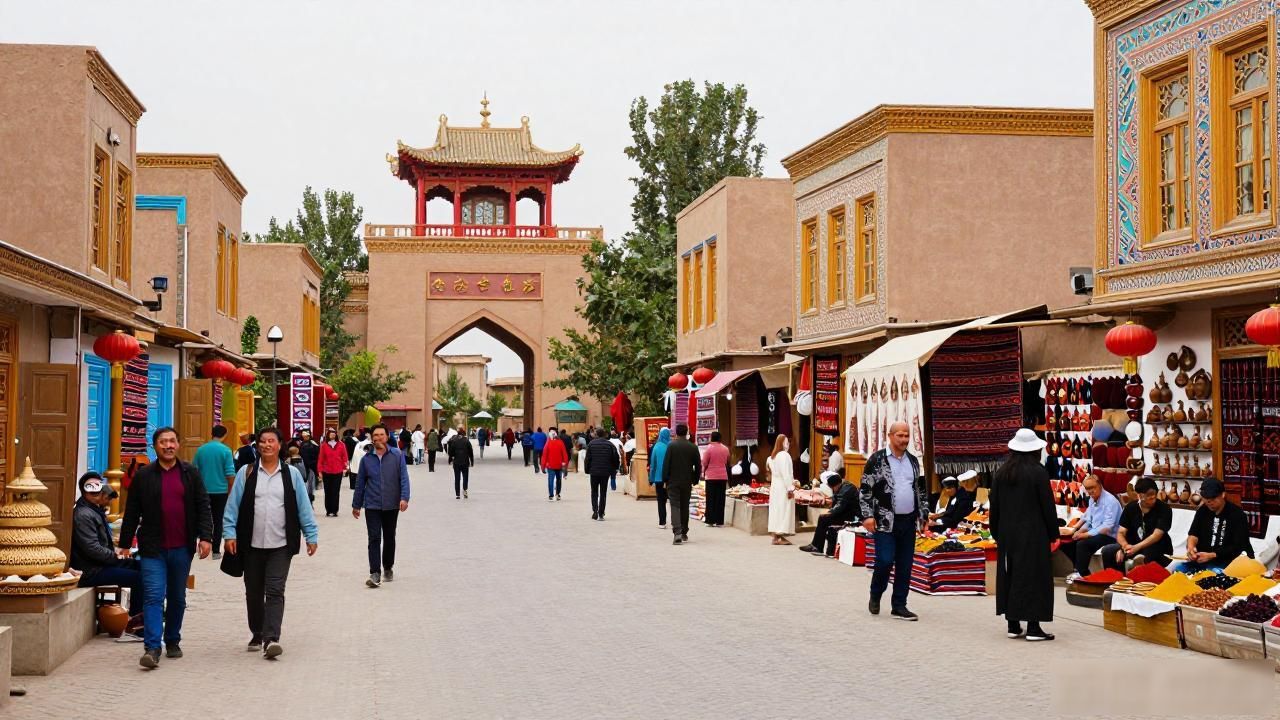
Stepping into the Kashgar Sunday Bazaar is like diving into a living history book that refuses to close. This isn’t just a market; it’s a sensory explosion where the air smells of cumin, roasted meat, and old dust. For travelers, it represents the heart of Xinjiang’s culture, yet many outsiders approach it with hesitation. They wonder if it’s safe, what to buy, or how to navigate the chaos. The truth is, this weekly gathering on the northern edge of the Old City is less about commerce and more about community survival and joy. It is a place where time moves differently, dictated by the sun and the needs of the body rather than clocks. Understanding this rhythm is key to enjoying the experience without feeling overwhelmed.
Where is the Sunday Bazaar in Kashgar located?

Finding the bazaar requires a bit of orientation because it sits outside the familiar walls of the Id Kah Mosque area. Most visitors start from the Old City’s north gate and walk northeast along the main road leading out of town. The market itself stretches along the street, transforming into a massive open-air fair every Sunday morning. It doesn’t stop at noon; the energy peaks between 8 AM and 11 AM before slowly winding down. Locals arrive early with carts, donkeys, and trucks filled with goods, turning the roadside into a vibrant strip of commerce. You will see farmers selling fresh produce directly from their vehicles, while others offer handmade crafts or livestock. The location is accessible by taxi or local bus, but walking from the city center gives you a sense of the transition from urban life to rural trade.
Is the Kashgar Sunday Bazaar safe for tourists?
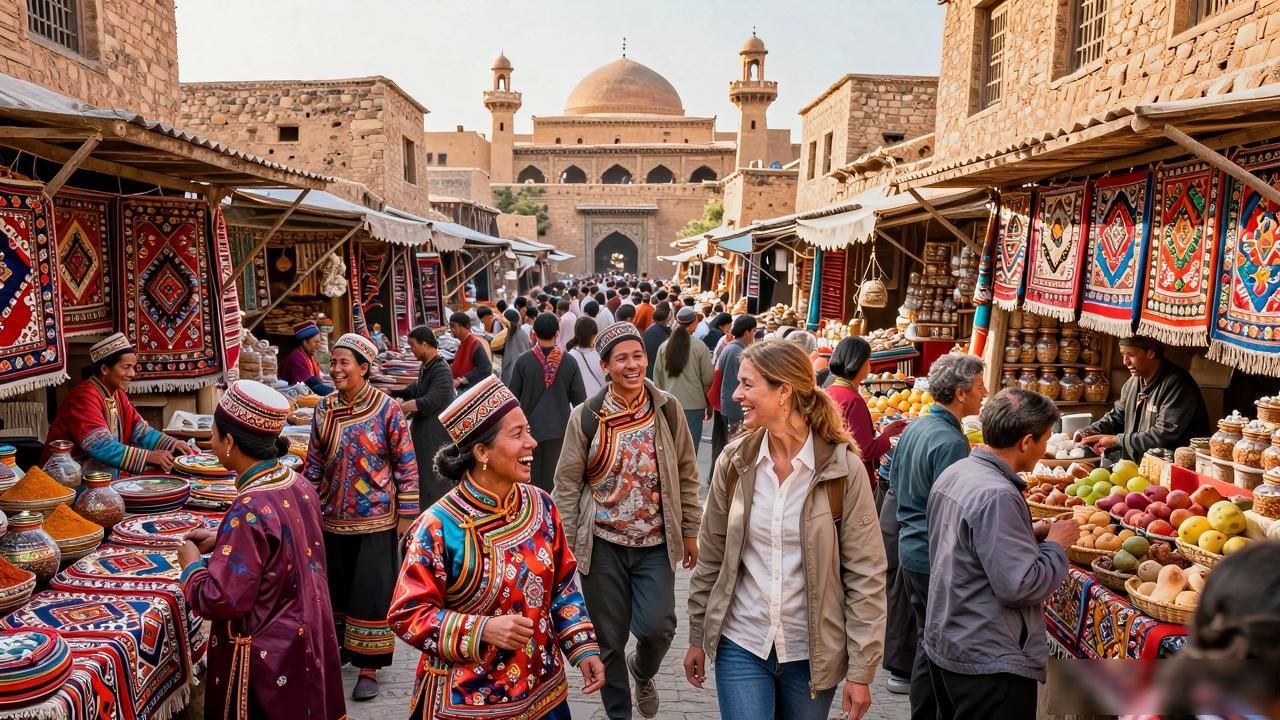
Safety concerns often deter potential visitors, but the reality on the ground is quite different. The bazaar is bustling with locals who are generally curious and friendly toward foreigners. While pickpocketing can occur in any crowded place, violent crime is rare here. The atmosphere is chaotic but orderly in its own way. People are focused on their trades, negotiating prices, and catching up with neighbors. It is advisable to keep an eye on your belongings, especially when photographing scenes or haggling over prices. Dress modestly to respect local customs, and always ask permission before taking close-up photos of individuals. The vendors are used to tourists, and many speak some basic English or use gestures to communicate. Engaging with them respectfully opens doors to genuine interactions and better deals.
What should you buy at the Sunday Bazaar?
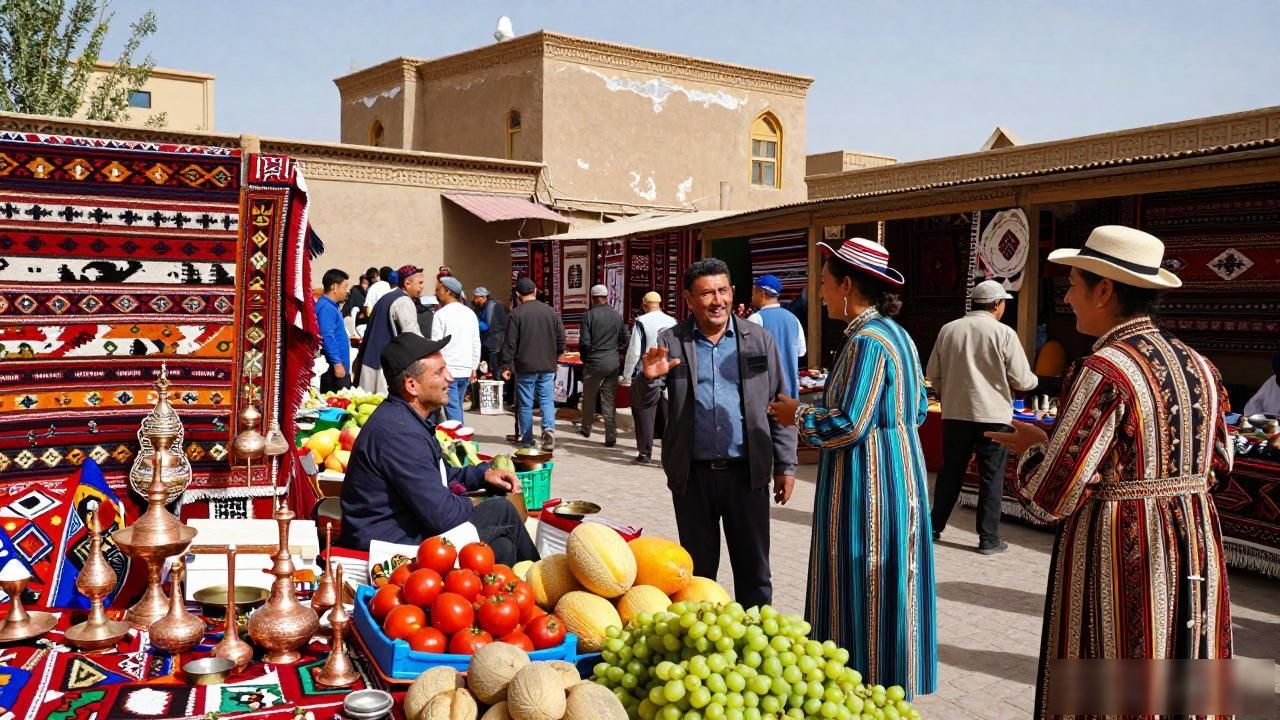
The variety of goods is staggering, ranging from everyday necessities to unique souvenirs. Fresh fruits,nuts, and dried meats are abundant and significantly cheaper than in city shops. These make excellent gifts or snacks for the journey. For those looking for traditional crafts, you can find hand-woven carpets, wooden instruments, and embroidered hats. However, authenticity varies, so inspect items carefully before purchasing. Livestock sales are a major part of the bazaar, with sheep, goats, and even horses being traded. Observing these transactions provides insight into the nomadic heritage of the region. Food stalls offer local delicacies like laghman noodles and samsa, which are perfect for a quick lunch. Try to eat what looks popular among locals, as it usually guarantees freshness and flavor.
Navigating the Kashgar Sunday Bazaar requires patience and an open mind. It is not a polished tourist trap but a raw, authentic slice of daily life. Embrace the noise, the colors, and the smells. Take your time to wander through the aisles, observe the interactions, and perhaps strike up a conversation. The memories made here will linger long after you leave the city. It is a testament to the resilience and vibrancy of the people who call this corner of the world home.