
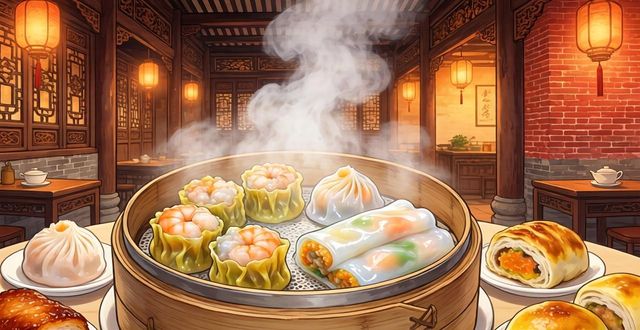
When people think of Cantonese cuisine, dim sum is often the first thing that comes to mind. And there is no better place to experience it than Guangzhou, the birthplace of this beloved dining tradition. From steam baskets filled with shrimp dumplings to soft rice rolls drizzled with sweet soy sauce, dim sum is not just a meal – it’s a morning ritual, a social gathering, and a culinary art form. In this guide, I’ll share everything you need to know to enjoy authentic dim sum in Guangzhou like a local.
What is dim sum exactly
Many foreigners confuse dim sum with a specific dish, but it actually refers to a wide range of small, bite-sized portions served in bamboo steamers or small plates. The term “dim sum” means “touch the heart” in Cantonese, reflecting how these delicate snacks are meant to warm both the stomach and the soul. Common items include har gow (shrimp dumplings), siu mai (pork and mushroom dumplings), and char siu bao (barbecue pork buns). Unlike a typical breakfast, dim sum is enjoyed slowly, often with tea, and the meal is called yum cha, or “drinking tea”.

Where to find authentic dim sum in Guangzhou
Avoid tourist traps in shopping malls. Instead, head to old neighborhoods like Liwan or Yuexiu, where century-old tea houses still operate. Famous names include Guangzhou Restaurant, Panxi Restaurant, and Tao Tao Ju – all have been serving locals for decades. For a more adventurous experience, try small family-run shops in alleys; they may lack English menus but often offer the freshest, cheapest dim sum. Look for long queues of elderly locals around 8 or 9 in the morning – that’s a sure sign of quality. Remember, the best places often close by 2 PM, so arrive early.
How to order dim sum like a local
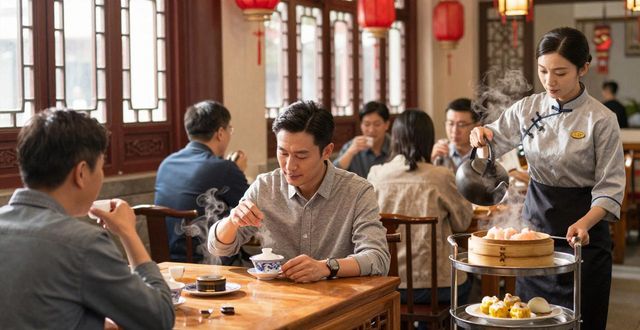
First, find a seat and choose your tea – oolong,jasmine, or pu’er are standard. A server will pour your first cup, and it’s polite to tap two fingers on the table to thank them. Then the fun begins. In old-school teahouses, women push carts loaded with steamers; simply point at what you want. In modern spots, you’ll check boxes on a paper order form – write the number of portions next to each dish. Don’t overorder; three to four dishes per person is plenty. Share everything family-style, and always refill others’ teacups before your own. If you want to signal “no more tea,” leave the lid off the teapot.
What are the must-try dim sum dishes for first-timers
Start with the “Big Four” classics: har gow (shrimp dumplings) – translucent skin, whole shrimp inside; siu mai – open-topped pork and shrimp dumplings topped with crab roe; char siu bao – fluffy steamed buns filled with sweet roasted pork; and cheung fun – silky rice noodle rolls with shrimp or beef. Then add a crispy item like wu gok (taro dumplings) or fried dough wrapped in rice noodles. For the brave, try chicken feet in black bean sauce – they are soft, gelatinous, and packed with umami. Finish with dan tat (egg custard tarts) for a sweet ending. Each dish offers a different texture: slippery, crunchy, fluffy, or creamy.
Is dim sum expensive in Guangzhou
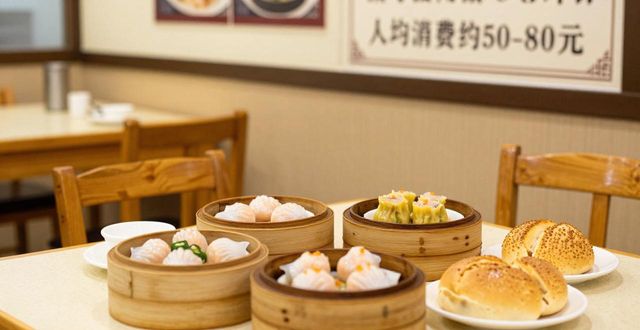
Not at all. A satisfying meal for two people usually costs between 80 and 150 RMB (roughly 12 to 22 USD). Morning prices are often lower than lunch, with many places offering a 20% discount before 11 AM. High-end hotels may charge triple that, but the taste is rarely better than the old teahouses. Stick to local favorites, and you’ll eat like a king on a backpacker’s budget. Just bring cash or Alipay/WeChat Pay – some small shops don’t accept credit cards. And don’t forget to ask for a takeout box if you can’t finish; leaving food uneaten is considered wasteful.
Now I’d love to hear from you – have you tried dim sum in Guangzhou or elsewhere? What’s your favorite dish, and is there a local teahouse you’d recommend? Drop your thoughts in the comments, and don’t forget to share this guide with fellow food lovers planning their trip to Guangzhou.