
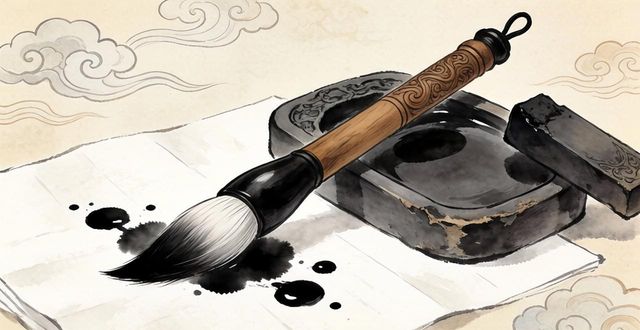
Chinese calligraphy brushes are more than just writing tools—they are the very soul of an ancient artistic tradition. For anyone new to this art or looking to deepen their practice, understanding the brush is the first step toward meaningful expression. The brush determines the thickness, rhythm, and spirit of every stroke. Without a good brush, even the most skilled hand will struggle.
What types of Chinese calligraphy brushes exist for beginners and professionals

The world of Chinese calligraphy brushes is rich and varied. The most common classification is based on the material of the bristles. Soft brushes are made from goat hair. They hold a lot of ink and produce smooth, flowing lines. These are excellent for large characters and for beginners who are still learning control. Hard brushes, on the other hand, are made from wolf hair or weasel hair. They offer more spring and precision, making them ideal for smaller characters and detailed work. Mixed brushes combine both soft and hard hairs. They strike a balance between flexibility and control. For a beginner, a medium-sized mixed brush is often the safest choice. It forgives mistakes while still teaching the user how to manage ink flow and pressure.
Another factor is the size of the brush. Chinese calligraphy brushes come in many sizes, from tiny brushes for fine details to large ones for sweeping strokes. The size you choose should match the size of the characters you intend to write. A common mistake is using a brush that is too small for large characters, which leads to thin, weak lines. Professionals often have a set of brushes to handle different styles and scales. But for someone starting out, one medium brush and one large brush are enough to explore the basics.
How to care for your Chinese calligraphy brushes to make them last longer
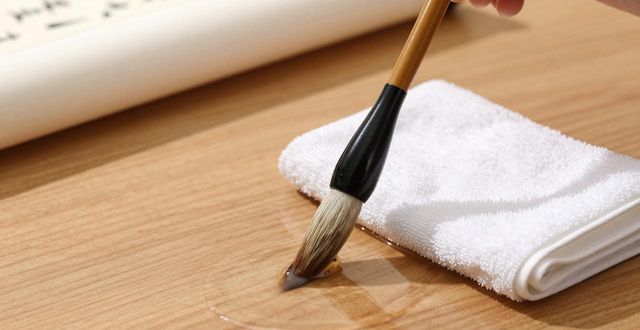
A high-quality Chinese calligraphy brush can last for years if cared for properly. The first rule is to never leave the brush sitting in water. After each use, rinse the bristles thoroughly under clean running water until no ink remains. Then gently squeeze out the excess water with your fingers. Never use soap. It damages the natural oils in the hair. Once the brush is clean, reshape the tip to a point. This is important. The tip is what allows you to make precise strokes. Store the brush vertically with the tip pointing up. If you store it horizontally or upside down, the bristles will bend and lose their shape.
Another common issue is not letting the brush dry completely before storing it. A damp brush can develop mold, which ruins the bristles. After cleaning, hang it in a well-ventilated area away from direct sunlight. Some people also use a brush hanger, which is a simple but effective tool. When traveling,use a bamboo brush roll to protect the tips. Never stuff the brush into a bag without protection. That will crush the bristles and ruin the brush. A well-maintained brush not only lasts longer but also performs better. The ink flows more evenly, and the strokes are cleaner.
Where to buy authentic Chinese calligraphy brushes online
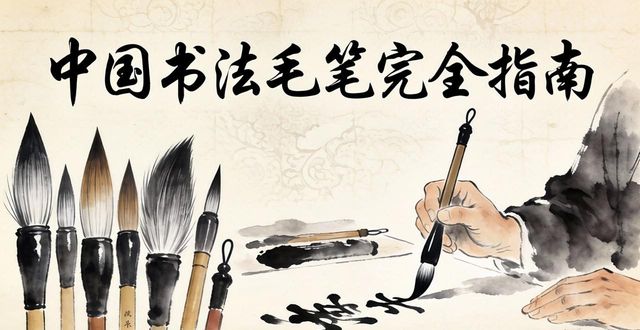
For many people outside China, buying a genuine brush can be a challenge. There are many cheap imitations that look like real calligraphy brushes but use synthetic fibers or low-quality animal hair. These brushes do not hold ink well and fall apart quickly. The best place to start is with reputable online stores that specialize in Chinese art supplies. Websites like Etsy have many sellers who offer handcrafted brushes from China. Look for sellers with high ratings and detailed product descriptions. Another option is directly from Chinese marketplaces like Taobao or AliExpress. But be careful. The quality varies widely. Read reviews carefully and look for photos of the actual product.
You can also find authentic brushes from brands that have been making them for generations. Some of the most famous brush-making regions in China include Huzhou and Wenzhou. Brushes from these areas are known for their craftsmanship. If you can find a seller who sources directly from these regions, you are more likely to get a high-quality brush. Price is also a good indicator. A decent brush will cost between fifteen and thirty dollars. Anything below ten dollars is likely not real. Investing in one good brush is better than buying five cheap ones. That single brush will give you years of consistent performance and help you develop your skill much faster.