
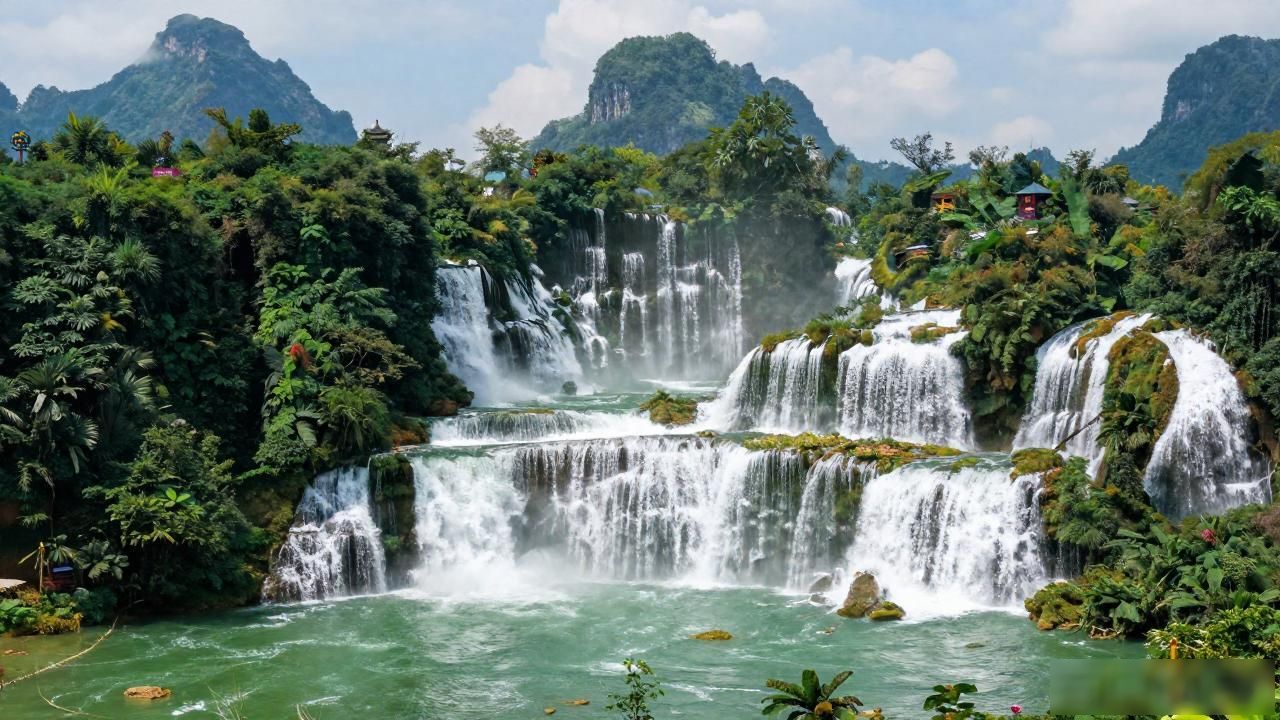
The China-Vietnam border waterfall, known as Detian Waterfall in China and Ban Gioc Waterfall in Vietnam, is one of Asia’s most spectacular natural wonders. Straddling the shared border between the two countries, this massive waterfall system is actually a series of cascades spanning over 300 meters wide. Located in the remote karst landscape of the Guangxi province and Cao Bang province, it offers a unique cross-border travel experience that combines breathtaking scenery with cultural discovery.

Is the China Vietnam border waterfall worth visiting
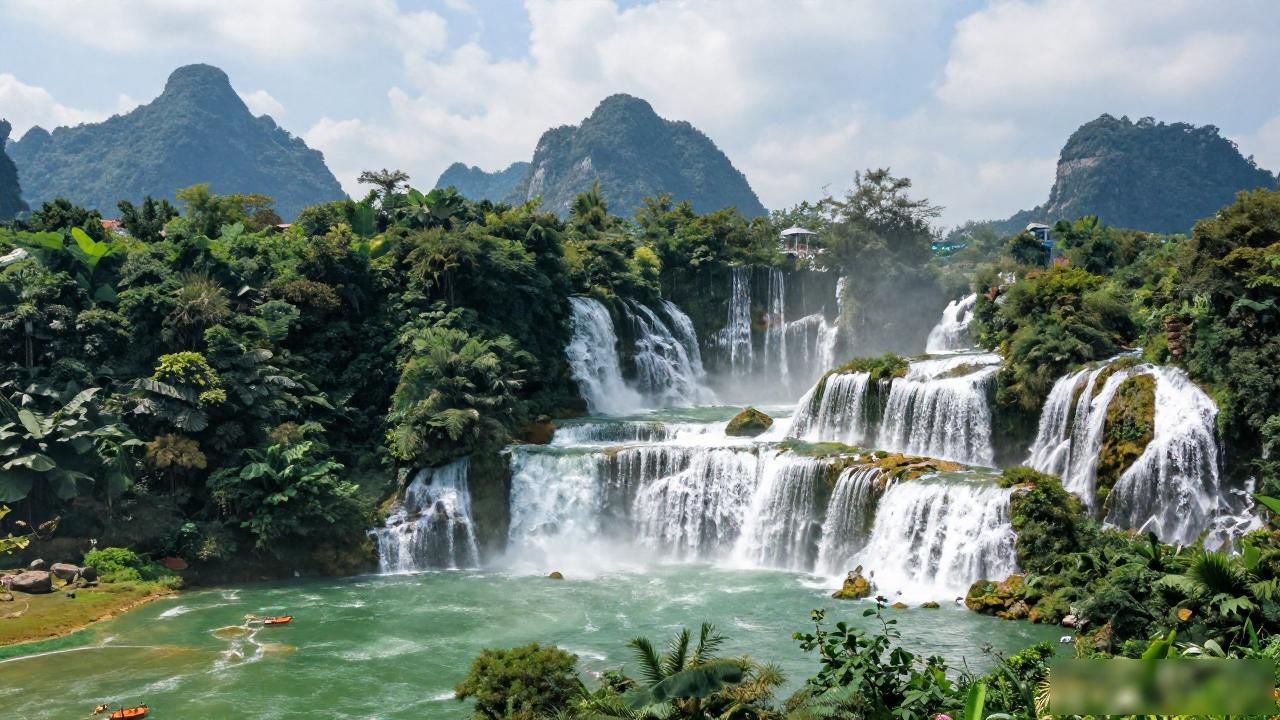
Absolutely, but with important caveats. The waterfall is genuinely stunning during the rainy season from June to October when water flow peaks, creating a thunderous roar that echoes through the valley. Many travelers consider it a hidden gem compared to more famous waterfalls in Asia. However, reaching the site requires effort. From the Chinese side, you typically fly to Nanning, then take a 3-4 hour bus ride to Daxin County, followed by another hour to the scenic area. The Vietnamese approach from Hanoi takes roughly 6-7 hours by road to Cao Bang city, then another hour to the falls. What makes this waterfall truly special is the ability to see both sides from boat tours that navigate right up to the cascading water. The mist creates rainbows on sunny afternoons, and the surrounding limestone peaks add a dramatic backdrop. Local vendors sell everything from Vietnamese coffee to Chinese silk scarves along the paths. The entry fee is reasonable,around 80 RMB on the Chinese side or 45,000 VND on the Vietnamese side.
How to see both sides of the border waterfall in one trip
This requires careful planning due to border crossing restrictions. The most practical approach is to choose one side and take a boat tour that gets you close enough to see the entire waterfall system from the river. Boats from the Chinese side can approach within meters of the Vietnamese bank, giving you excellent views of Ban Gioc. On the Vietnamese side, bamboo rafts take you to the base of the falls where the water crashes down. Unfortunately, you cannot cross the border directly at the waterfall unless you have proper visa arrangements for both countries. Some travelers do a two-country trip: spend 2-3 days exploring the Chinese side, then cross through the official border checkpoint at Shuolong, about 30 minutes away, and continue to the Vietnamese side. The best time of day is early morning before 9 AM when tourist crowds are thin, or late afternoon around 4 PM for golden hour photography. Pack waterproof gear because the mist from the falls can soak everything within 50 meters. Also bring cash, as card payment is limited in this rural border region.
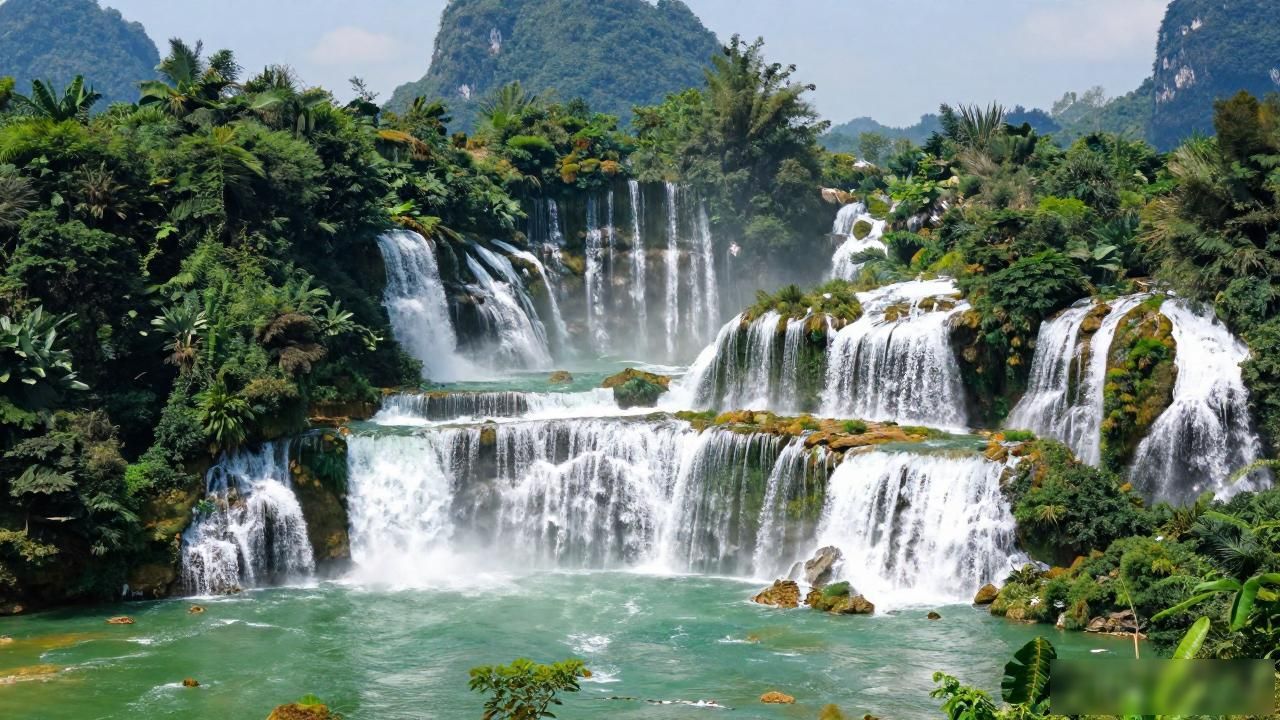
The China-Vietnam border waterfall represents more than just a scenic spot; it’s a symbol of how nature can connect two distinct cultures. Whether you approach from the terraced viewing platforms of Detian or the lush jungle paths of Ban Gioc, the experience leaves a lasting impression of raw natural power and cross-border harmony.