
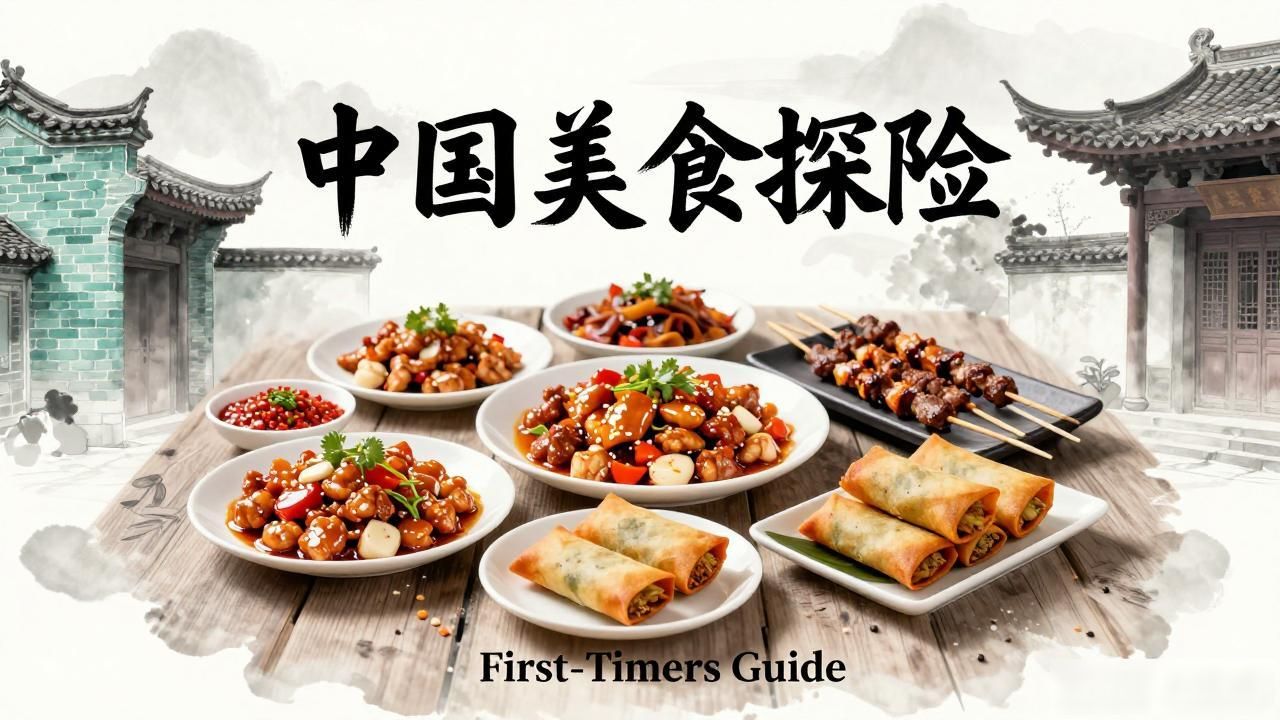
Eating in China is not just about filling your stomach; it is an immersive cultural expedition. For the foreign traveler, the sheer scale of culinary diversity can be overwhelming. From the numbing spice of Sichuan to the delicate dim sum of Canton, every region tells a different story through its flavors. This guide aims to demystify the experience, helping you navigate menus and find authentic delights without getting lost in translation.
What Are Must-Try Dishes in China?

You cannot leave China without tasting Peking Duck. The thin, crispy skin paired with tender meat and sweet bean sauce is iconic. It is often served at special occasions but available in most major cities. This dish represents the pinnacle of northern Chinese cuisine and offers a perfect introduction to the complexity of local flavors.
Another essential item is dumplings, or Jiaozi. Whether boiled, steamed, or pan-fried, they are a staple across the country. In the north, they are large and filled with pork and cabbage. In the south, they might be smaller and sweeter. Trying different types in various regions reveals how geography influences taste preferences.
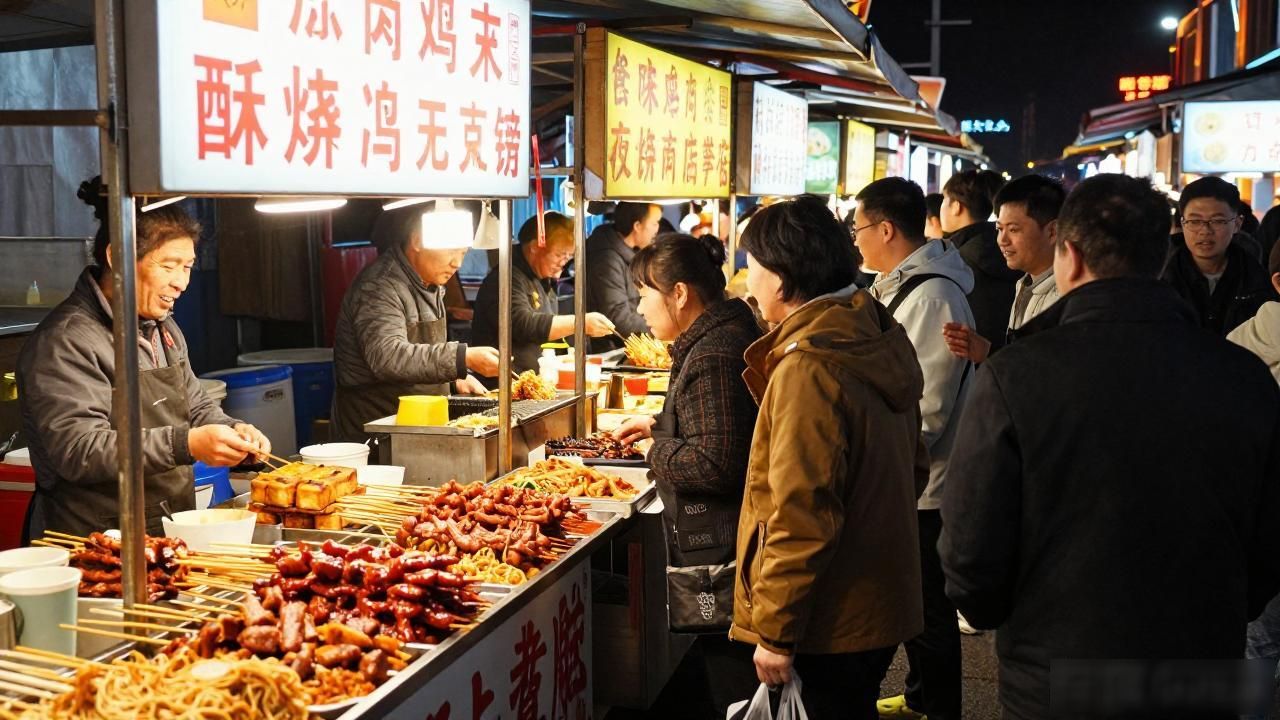
Street food is where the real magic happens. Skewers of marinated meat, grilled tofu, and spicy noodles sold from carts offer affordable and delicious options. Do not hesitate to join locals in these bustling stalls. The atmosphere is vibrant,and the food is often fresher than in formal restaurants.
How to Navigate Chinese Dining Culture?
Sharing dishes is the norm in China. Instead of ordering individual plates, families and friends order several shared meals to place in the center of the table. This practice encourages social interaction and allows everyone to try a bit of everything. Using chopsticks correctly takes practice, but locals appreciate the effort.

Tipping is generally not expected. Service charges are sometimes included in high-end establishments, but in most casual eateries, you pay the exact amount on the bill. Leaving small change is fine, but big tips might confuse the staff. Understanding this custom helps avoid awkward situations after the meal.
Language barriers can exist, so having a translation app ready is wise. However, pointing at pictures or using simple gestures often works wonders. Learning basic phrases like “Delicious” shows respect and can lead to warmer interactions with vendors. Be open-minded, try new textures, and let your senses guide you through this culinary landscape.