
As a long-time resident and food lover in Chengdu, I live for steaming cauldrons of fiery, numbing broth. Chengdu hot pot isn’t just a meal; it’s a social ritual and a cornerstone of local culture. For visitors, the sheer number of choices can be overwhelming. This guide cuts through the noise, offering my personal,battle-tested recommendations for the best hot pot experiences in the city, from iconic institutions to hidden gems.
Why is Chongqing hot pot so different from Chengdu hot pot

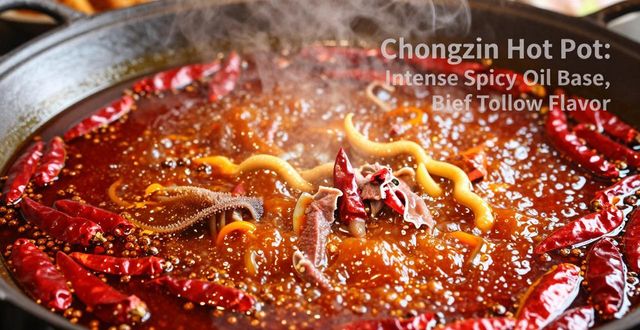
Many first-timers confuse the two, but understanding the difference is your first step to appreciating Chengdu’s style. Chongqing hot pot is known for its intense, almost brutal spicy oil base, often using beef tallow for a richer, brasher flavor. The spice level is upfront and designed to challenge. In contrast, Chengdu hot pot typically uses a vegetable oil base, like rapeseed oil, which allows for a more complex and layered aromatic profile. The mala (numbing and spicy) sensation is more balanced, often with floral and herbal notes from ingredients like rock sugar, various beans, and a secret blend of over 20 spices. It’s flavorful first, fiery second.
Where to find the best traditional Chengdu hot pot restaurants
For the quintessential experience, you must visit the city’s time-honored establishments. Shu Jiuxiang Hot Pot is a legend. The heart of their broth is a golden trove of fermented bean paste, creating a uniquely savory and aromatic depth that is impossible to replicate. Meanwhile, Haidilao, while a national chain famous for its theatrical service, is consistently excellent for a first-timer. Their broth is masterfully calibrated, and the dipping sauce bar is a perfect cultural introduction.
What are the best ingredients and dips for a Sichuan hot pot
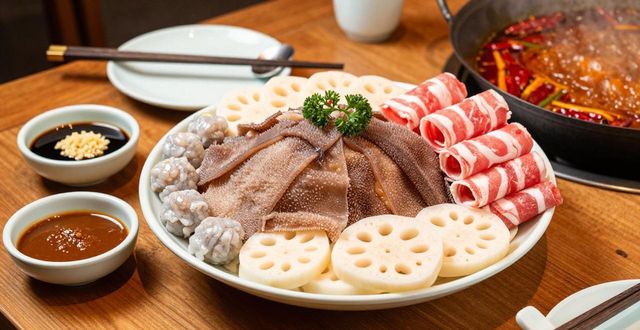
Beyond the broth, your adventure lies in the ingredients. Start with the classics: thinly sliced beef and lamb, huanghou (beef tripe), maodu (beef aorta), and the essential duck intestine. For a true local test, order the brains or kidney flowers. Vegetables like lotus root, enoki mushroom, and potato slice are must-haves to balance the richness. Your dipping sauce, or youwan, is your personal canvas. The classic Sichuan mix is sesame oil with minced garlic and cilantro. This doesn’t add more heat but rather cools and coats, protecting your mouth from the intense broth.
How do I book a spot at a popular Chengdu hot pot joint
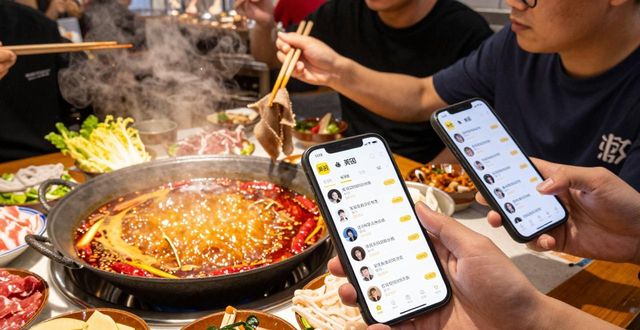
With Chengdu’s hot pot obsession, the best spots are always packed. My top advice is to use Chinese apps. Meituan or Dianping are your best friends. They allow you to see live wait times, read thousands of reviews (use translate), and often, queue up digitally before you even arrive at the restaurant. For places like Haidilao, you can reserve a table days in advance through their official WeChat mini-program. If you walk in, expect a multi-hour wait during peak dining times from 6-8 PM.
Diving into a Chengdu hot pot is more than eating; it’s participating in the city’s vibrant pulse. Don’t be afraid to ask the staff for recommendations—they’re often proud to guide you. Remember, the key is to relax, embrace the chaos of the boiling pot, and enjoy the communal, lips-tingling feast. From the first dip to the last sweat, this is an experience that defines the flavor of Sichuan itself.