
As an expat who has called Beijing home for over five years, I’ve learned that seeing the city isn’t just about checking boxes on a tourist list. It is about feeling the pulse of history mixed with modern chaos. Many travelers arrive expecting silence and ancient stones, but they often find noise, crowds, and vibrant life. Understanding this duality is key to enjoying Beijing attractions without getting overwhelmed. This guide cuts through the fluff to show you what truly matters when you visit.
Which Beijing attractions are worth visiting first?

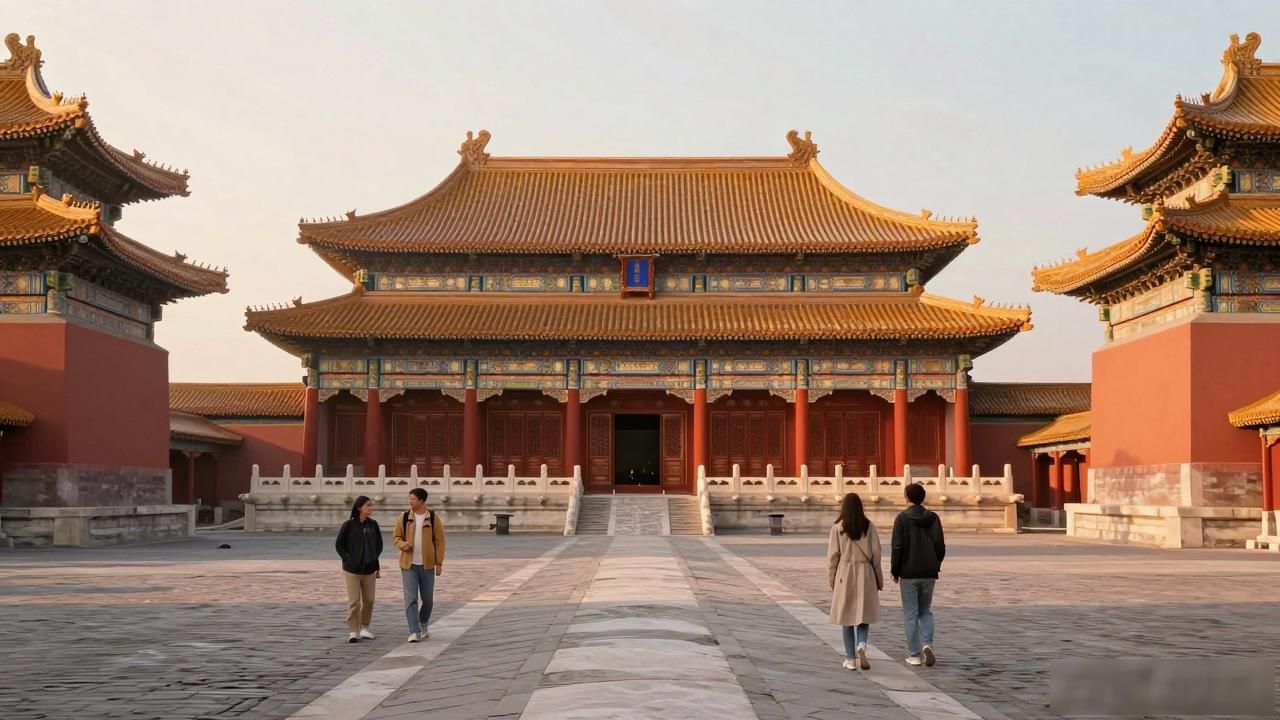
Start at the Forbidden City. It is massive, intimidating, and absolutely essential. Arriving early before the gates open at 8:30 AM helps avoid the worst of the crush. You can spend hours just wandering the courtyards, imagining the emperors who once walked these halls. The architecture is symmetrical and imposing, designed to make visitors feel small. Don’t rush. Sit on a bench near the Hall of Supreme Harmony and watch the locals play chess or dance. These moments are as valuable as the imperial palace itself.
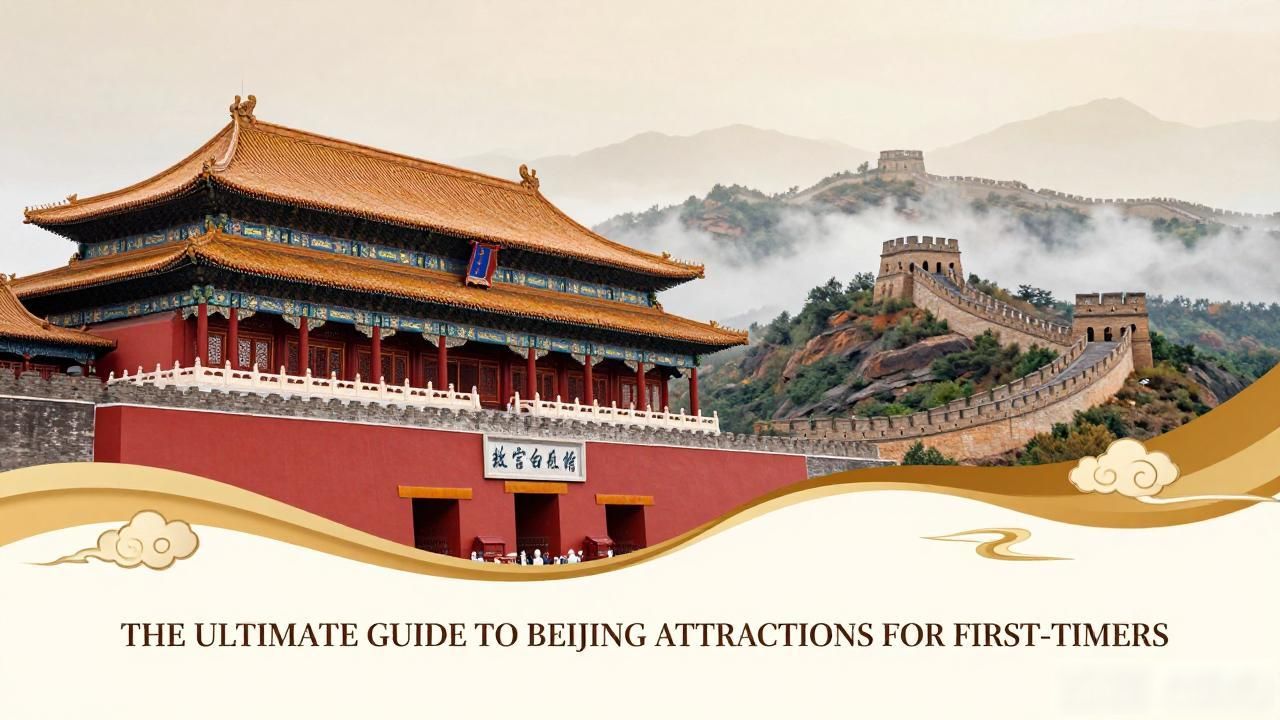
Next, head to the Great Wall. Most people go to Badaling, which is convenient but packed with tour buses. If you have time, take a taxi or bus to Mutianyu instead. It is slightly less crowded, and the cable car ride up offers stunning views of the wall winding through green mountains. The hike is moderate, roughly two to three kilometers along the restored sections. You will sweat, you will喘, but the view from the top makes it worth every step. Bring water and wear good shoes. The wall is not a museum; it is a physical challenge that connects you to centuries of defense and endurance.
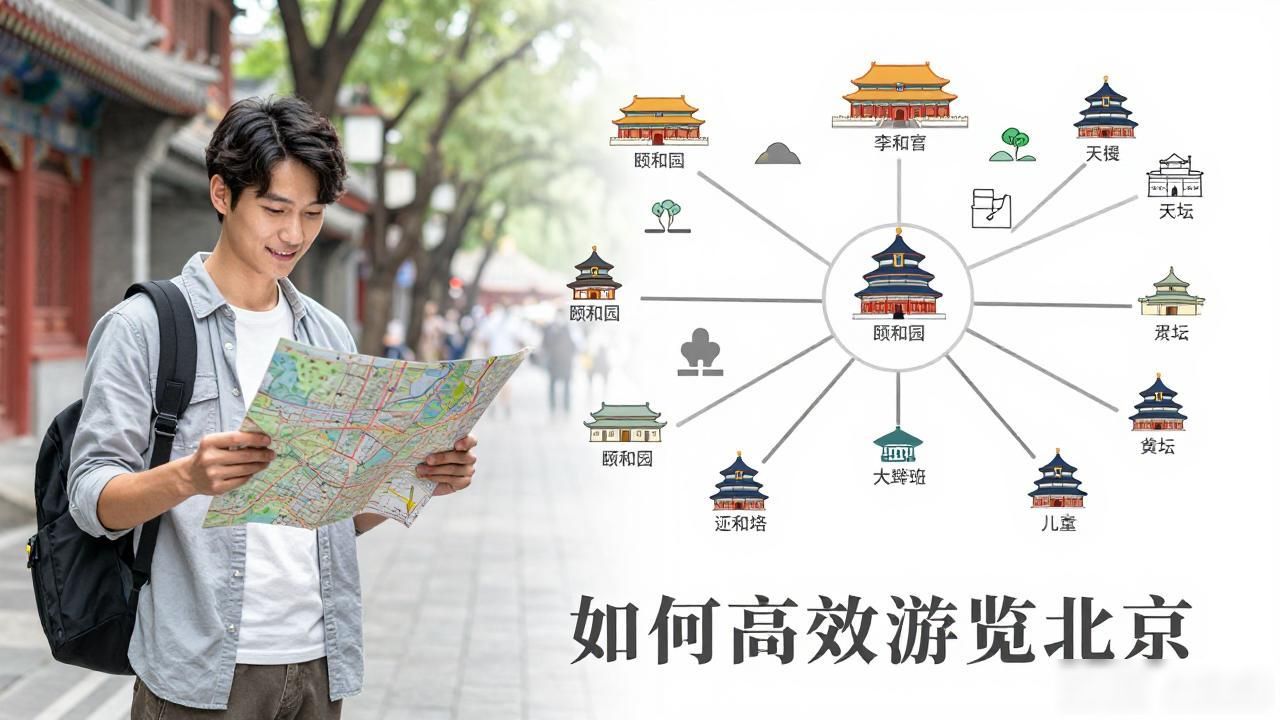
How to navigate Beijing attractions efficiently?
Transportation in Beijing is efficient but confusing for newcomers. The subway is clean, cheap, and covers most major sites. Download the Baidu Maps app or use Apple Maps, as Google does not work well here. Buy a Yikatong card for easy access to buses and subways. Taxis are affordable if you have the destination written in Chinese characters for the driver. Avoid hailing cabs during rush hour; the traffic is gridlocked, and you might be stuck for hours.
Dining is another layer of exploration. Street food near Qianmen Gate offers a taste of local culture. Try jianbing, a savory crepe, or tanghulu, candied hawthorn berries on a stick. These snacks are cheap and delicious. For a sit-down meal, Peking duck is a must, but skip the overly touristy spots. Look for places like Da Dong or Quanjude’s newer branches for better quality. Meals are social events here. Expect loud conversations and shared dishes. Embrace the noise. It is part of the charm.
Finally, respect the local customs. Dress modestly when visiting temples. Remove your shoes if required. Keep your voice down in quiet areas. Beijing is a city of contrasts,where ancient traditions coexist with futuristic skyscrapers. By focusing on key Beijing attractions and moving at a relaxed pace, you will find a deeper connection to this historic capital. Enjoy the journey, stay curious, and let the city surprise you.