
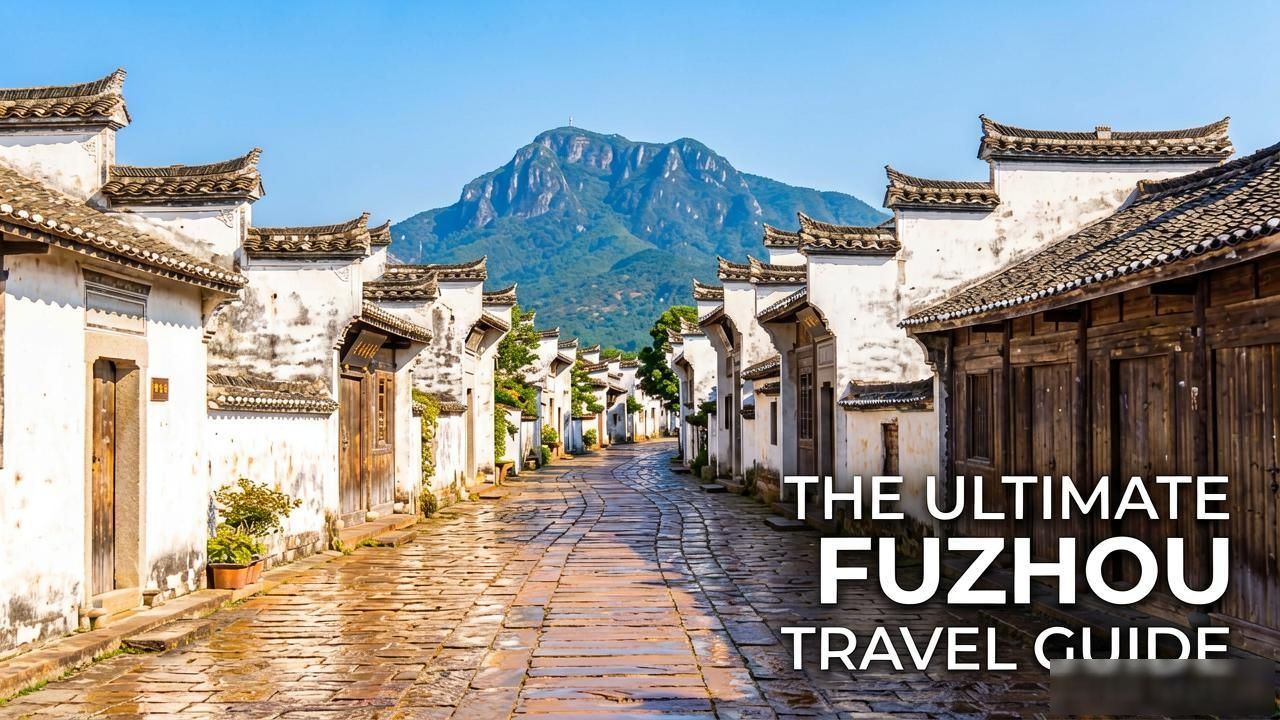
Fuzhou is often overlooked by travelers sticking to the golden triangle of Beijing, Xi’an, and Shanghai, but it remains one of China’s most authentic and livable cities. Located on the southeast coast, this capital of Fujian province offers a unique blend of maritime history, lush greenery, and a relaxed pace that contrasts sharply with its megacity neighbors. It is not just a transit point; it is a destination where history breathes through ancient temples and bustling night markets. For foreign visitors seeking an escape from the tourist traps, Fuzhou provides a genuine slice of Chinese southern culture. The air here smells of osmanthus flowers and sea salt, creating an atmosphere that is both refreshing and deeply historical. Understanding Fuzhou means looking beyond the surface to appreciate its role as a hub of Min culture and tea heritage.

What to Eat in Fuzhou
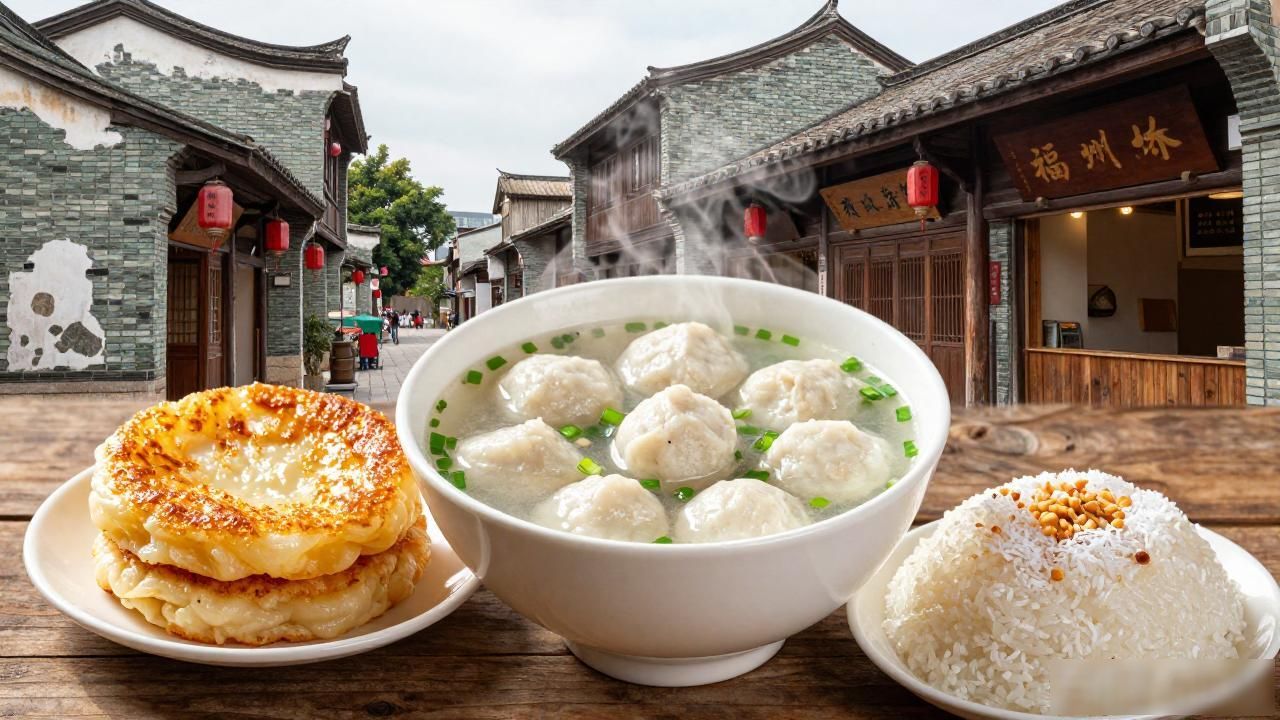
Food is the heart of any visit to Fuzhou, and skipping the local cuisine would be a mistake. The city is famous for Min Cuisine, known for its emphasis on umami, sweetness,and the art of soup-making. You must try Luhong (Buddha Jumps Over the Wall), a luxurious broth containing decades of aged ingredients, though for everyday eating, seek out simple bowl noodles filled with braised pork trotters or fish balls. These fish balls are distinct because they are hand-pounded, giving them a bouncy texture that bursts with flavor when bitten into. Street food stalls in the evening offer another layer of culinary adventure. From grilled squid to sweet rice cakes, the variety is endless. Don’t leave without tasting Osmanthus Wine, a sweet fermented drink that pairs perfectly with the humid weather. Exploring the food scenes at Houxian Road or Cangshan District reveals layers of flavor that define the local identity.
Where to Stay and Explore
Accommodation in Fuzhou is surprisingly affordable, allowing you to choose between modern luxury near West Lake Park or boutique stays in the historic Gulou District. West Lake Park is perhaps the most iconic spot, offering a serene escape with classical gardens and pavilions that date back over a thousand years. It serves as a perfect morning stroll location before the crowds arrive. Afterward, head to the Three Lanes and Seven Alleys, a well-preserved Ming and Qing dynasty architectural complex. Walking through these narrow lanes feels like stepping into a living museum, but with contemporary cafes and bookstores tucked inside ancestral homes. For a broader view, take a cable car up to Gu Shan Mountain, which sits conveniently within the city limits. The view of the Min River curving through the urban landscape is breathtaking. Whether you are interested in culture or nature, Fuzhou ensures that your itinerary remains diverse without feeling rushed.