

Navigating connectivity in China is often the biggest hurdle for international visitors. Unlike many Western countries where roaming is seamless, China’s digital ecosystem operates independently. For families traveling together, staying connected is not just about convenience; it is essential for safety, navigation, and sharing memories. A reliable local SIM card bridges this gap, ensuring that parents can track their children and everyone can access ride-hailing apps and translation tools without interruption.
Why do families need a local SIM in China?

Relying on public Wi-Fi in hotels or cafes is risky and often unreliable. It leaves your devices vulnerable to security threats and creates anxiety when you need to book a taxi on the fly. Local SIM cards provide immediate access to high-speed mobile data upon landing. This allows your entire family to use WeChat, Alipay, and Baidu Maps right away. These platforms are deeply integrated into daily life in China, making them indispensable for tourists who want to move freely without getting lost or stranded.
Furthermore, having a shared data plan simplifies logistics. Instead of managing multiple roaming charges from different carriers,one or two local plans cover the group. This cost-effective approach ensures that grandparents, parents, and teenagers all stay online. Local data is significantly cheaper than international roaming packages offered by home providers. It eliminates surprise bills and provides peace of mind, allowing the family to focus on creating experiences rather than worrying about signal bars dropping unexpectedly.
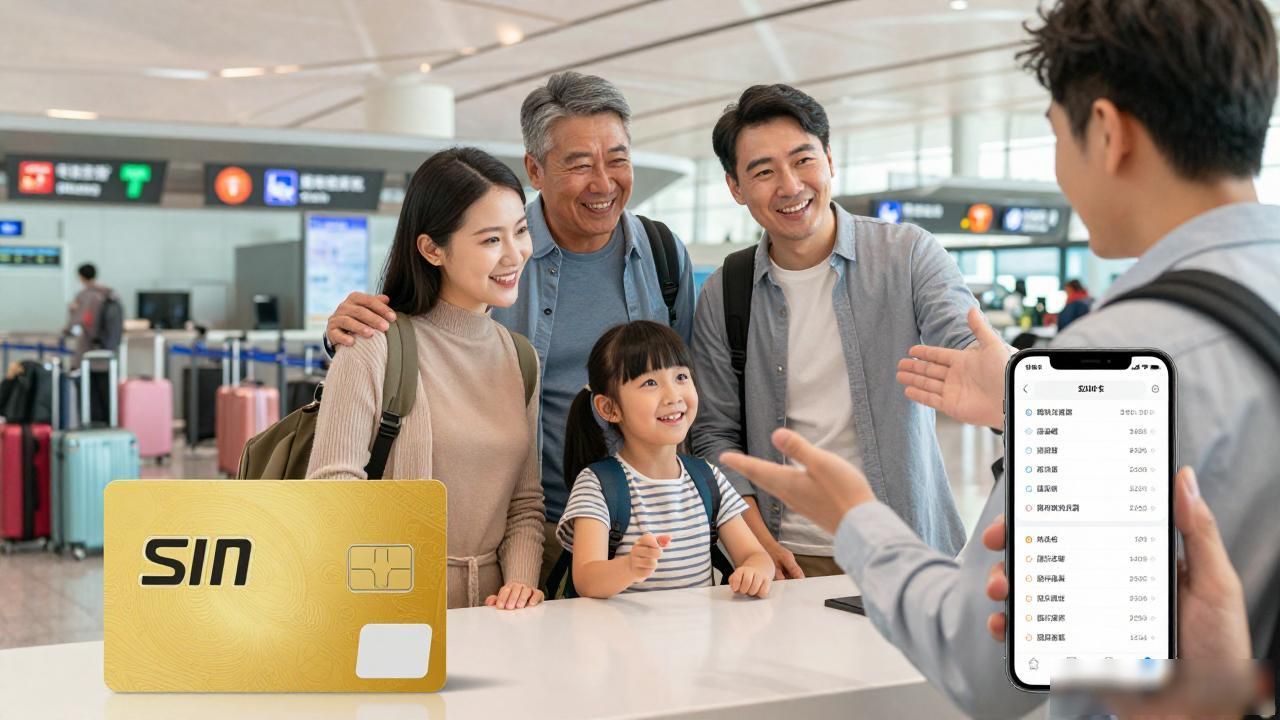
How to get the best China SIM for your trip?
Purchasing a SIM card requires a bit of preparation. You can buy them at major airports like Beijing Capital or Shanghai Pudong immediately after clearing customs. Vendors there offer tourist-friendly packages that include Chinese phone numbers and data bundles. Alternatively, ordering an eSIM online before departure saves time at the counter. Ensure your devices are unlocked before you leave home. Verify device compatibility with China’s network bands to avoid connectivity issues once you arrive.

For families, consider buying two main SIMs and sharing data, or looking for multi-device plans if available. Registering your SIMs is mandatory under Chinese law, so keep passports handy. Many airport kiosks assist with registration, but lines can be long. Planning ahead means you can skip the queue. Once activated, load up essential apps. Having seamless payment integration via Alipay or WeChat Pay linked to your local number makes dining and shopping effortless. This small step transforms your travel experience from stressful to smooth.