
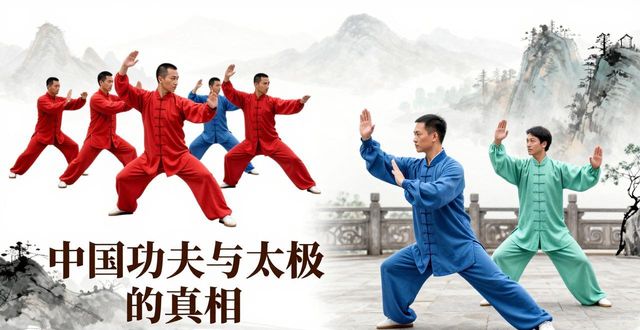
Chinese Kung Fu and Tai Chi are often misunderstood as either violent fighting styles or slow exercises for the elderly. In reality, they are two sides of the same coin—ancient Chinese disciplines that blend physical movement, mental focus, and spiritual cultivation. While Kung Fu emphasizes power, speed, and combat effectiveness, Tai Chi focuses on internal energy, balance, and relaxation. Both share deep roots in Chinese philosophy, especially Daoism and the concept of Qi, or life energy.

Is Tai Chi Actually a Form of Kung Fu
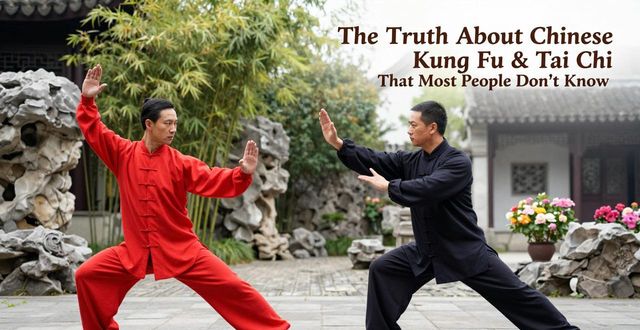
Many people are surprised to learn that Tai Chi is indeed a type of Kung Fu. It belongs to the internal martial arts family, known as Neijia, which prioritizes softness over brute force. Unlike external styles like Shaolin Kung Fu, which rely on muscular strength and explosive movements, Tai Chi trains the body to redirect an opponent’s energy with minimal effort. The slow, flowing postures are not just for meditation—they hide powerful applications like joint locks, throws, and strikes. Grandmasters of Tai Chi have demonstrated that a gentle push can send a strong man flying across the room. Understanding Tai Chi as a martial art changes how you practice it. Instead of just waving your arms in the park, you start to see every movement as a potential defense or attack. This is why many modern Kung Fu practitioners now cross-train in both hard and soft styles to become more complete fighters.
What Makes Chinese Kung Fu Different from Other Martial Arts
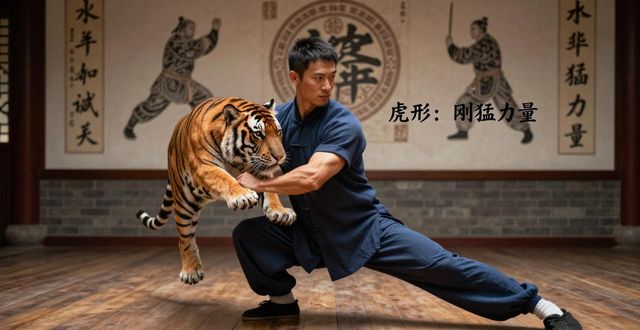
Chinese Kung Fu stands apart because it is not just about fighting—it is a complete system of self-cultivation. While karate and taekwondo focus heavily on linear strikes and kicks,Kung Fu mimics the movements of animals like the tiger, crane, monkey, and snake. Each animal style teaches a different strategy: the tiger builds raw power, the crane develops balance and precision, the monkey adds agility and trickery, and the snake focuses on internal energy and speed. Training in Kung Fu also includes weapons, breathing exercises, and forms called Taolu that look like choreographed dances but encode real combat techniques. More importantly, Kung Fu is rooted in Chinese medicine and Daoist philosophy, meaning it aims to strengthen not just your body but your mind and Qi. This holistic approach is why practitioners often live long, healthy lives and maintain sharp mental clarity well into old age. For Westerners looking for a workout that builds both character and fitness, Kung Fu offers something no other martial art can match.