
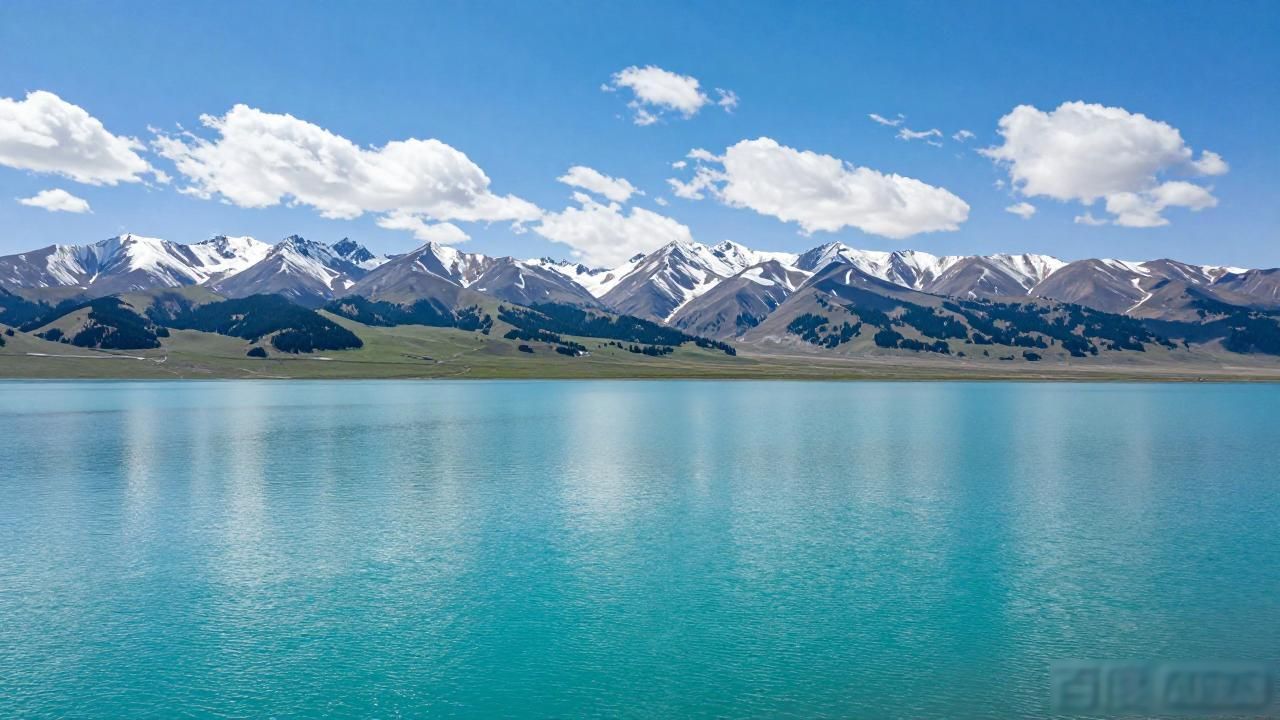
Xinjiang, the vast northwestern region of China, is home to some of the most breathtaking turquoise lakes on Earth. These vivid blue-green bodies of water, often set against dramatic mountain backdrops,are not just beautiful—they are natural wonders formed by glacial melt and mineral deposits. For travelers seeking untouched landscapes and surreal colors, Xinjiang’s turquoise lakes offer an unforgettable experience that rivals famous destinations like Lake Louise or Plitvice.
What makes Xinjiang turquoise lakes so blue
The intense color of these lakes comes from glacial silt, known as “rock flour.” As glaciers move and grind against bedrock, they create fine particles that remain suspended in the water. When sunlight hits these particles, it scatters blue and green wavelengths, making the lake appear brilliantly turquoise. This is the same phenomenon that colors other famous glacial lakes around the world.

Take Sayram Lake, for instance. Located in the Tianshan Mountains at over 2,000 meters elevation, its water shifts from deep emerald to bright aquamarine depending on the time of day and season. The lake is surrounded by alpine meadows that bloom with wildflowers in summer, creating a contrast that photographers dream of. Another example is Kanas Lake, which sits in a remote forested valley near the border with Kazakhstan. Its turquoise hue is so vivid that local legend says it comes from the tears of a water spirit.
These lakes are not just scenic—they are living ecosystems. The water is cold and clear, supporting fish species that thrive nowhere else. In spring and early summer, the meltwater rush fills the lakes, enhancing their color intensity. By autumn, the surrounding forests turn gold and red, making the turquoise water even more striking.
How to visit Xinjiang turquoise lakes on your trip
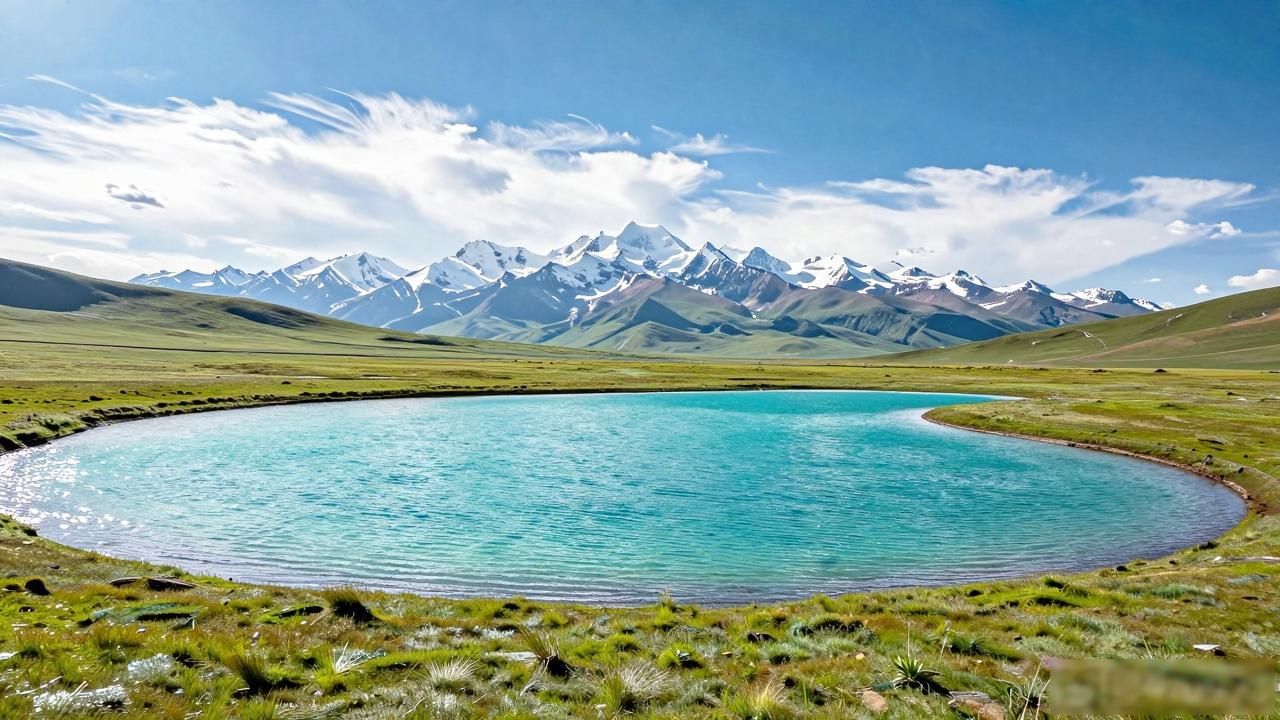
Planning a trip to see these lakes requires some preparation, but the payoff is enormous. The best time to visit is from June to September, when the weather is mild and the lakes are fully thawed. Winter visits are possible but the lakes freeze over, losing their turquoise shimmer.
Sayram Lake is easiest to reach from Yining city, about a three-hour drive. You can rent a car or join a guided tour. Once there, you can hike along the shoreline, ride a horse through the grasslands, or simply sit and watch the colors change. Camping is allowed in designated areas, and the night sky above the lake is incredibly dark, perfect for stargazing.
Kanas Lake is more remote, located in the Altai Mountains. You typically fly to Burqin County first, then take a bus into the Kanas Scenic Area. The park requires an entrance fee, and you can stay in nearby guesthouses. A boat ride across the lake gives you a close-up view of the turquoise water and the surrounding snow-capped peaks. Don’t miss the hike to Fish Viewing Pavilion, which offers a panoramic perspective of the entire lake basin.
For independent travelers, learning a few basic Chinese phrases helps, as English is not widely spoken in rural Xinjiang. Also, bring warm clothing even in summer, as temperatures drop sharply at night. And always carry plenty of water and sun protection, as the high altitude means stronger UV rays.
These turquoise lakes are not just photo opportunities—they are places where you can feel the raw power of nature. The color alone is worth the journey, but the quiet atmosphere and pristine environment leave a lasting impression. Whether you are an avid hiker, a landscape photographer, or simply someone who loves beautiful places, Xinjiang’s turquoise lakes deserve a spot on your travel list.