
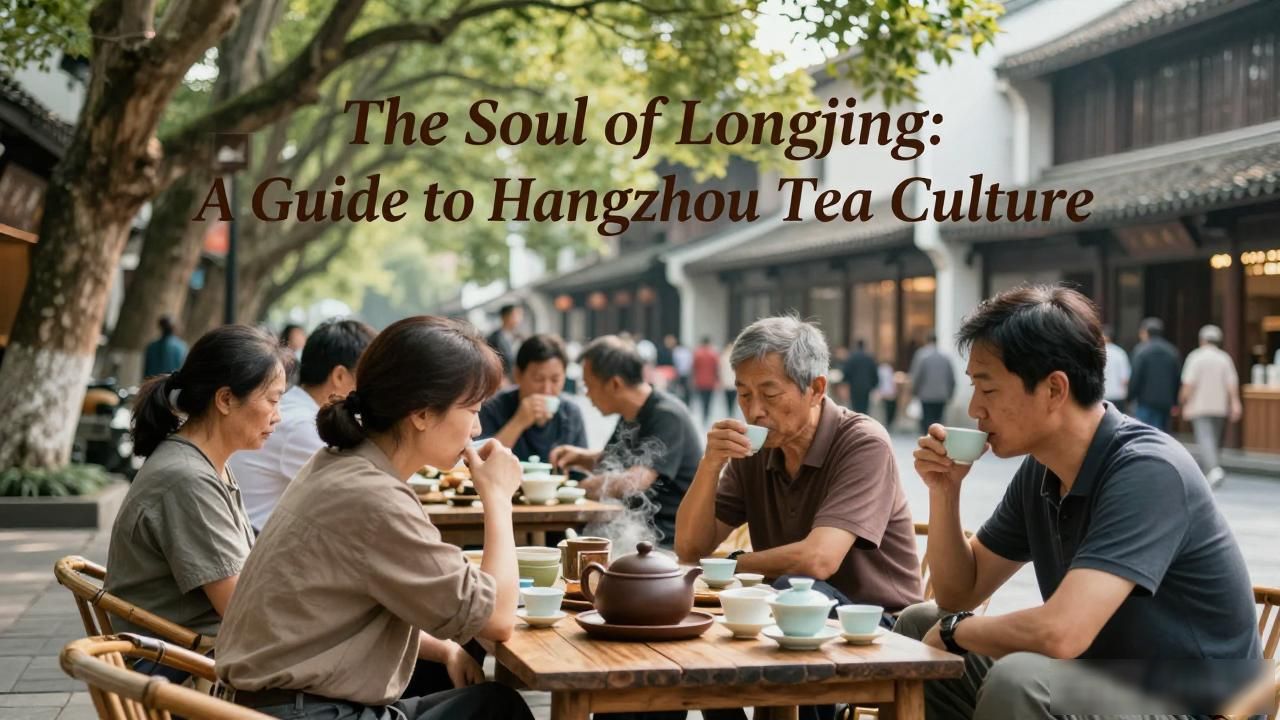
To experience the true essence of Hangzhou is to sit by West Lake with a cup of Longjing in hand. This ancient city, often celebrated for its scenic beauty and historical depth, holds a profound secret in every sip of its green tea. It is not merely a beverage; it is a living artifact of Chinese philosophy, blending nature, art, and mindfulness into a single ritual. For travelers and culture enthusiasts, understanding this tradition offers a window into the tranquil heart of Zhejiang province, where time seems to slow down amidst the misty hills and historic temples.
How does Hangzhou tea culture influence daily life?

The relationship between the people of Hangzhou and their tea is as integral as the lake is to the landscape. Unlike the hurried coffee breaks common in Western metropolises, the tea ceremony here is an unhurried affair. Locals gather in teahouses, from bustling streetside stalls to secluded gardens, to converse, conduct business, or simply enjoy the company. Longjing tea is more than a drink; it is a social lubricant. It bridges generations and classes, serving as a focal point for community interaction. When you visit a local household, offering tea is the highest form of hospitality,signaling respect and warmth without the need for excessive words.
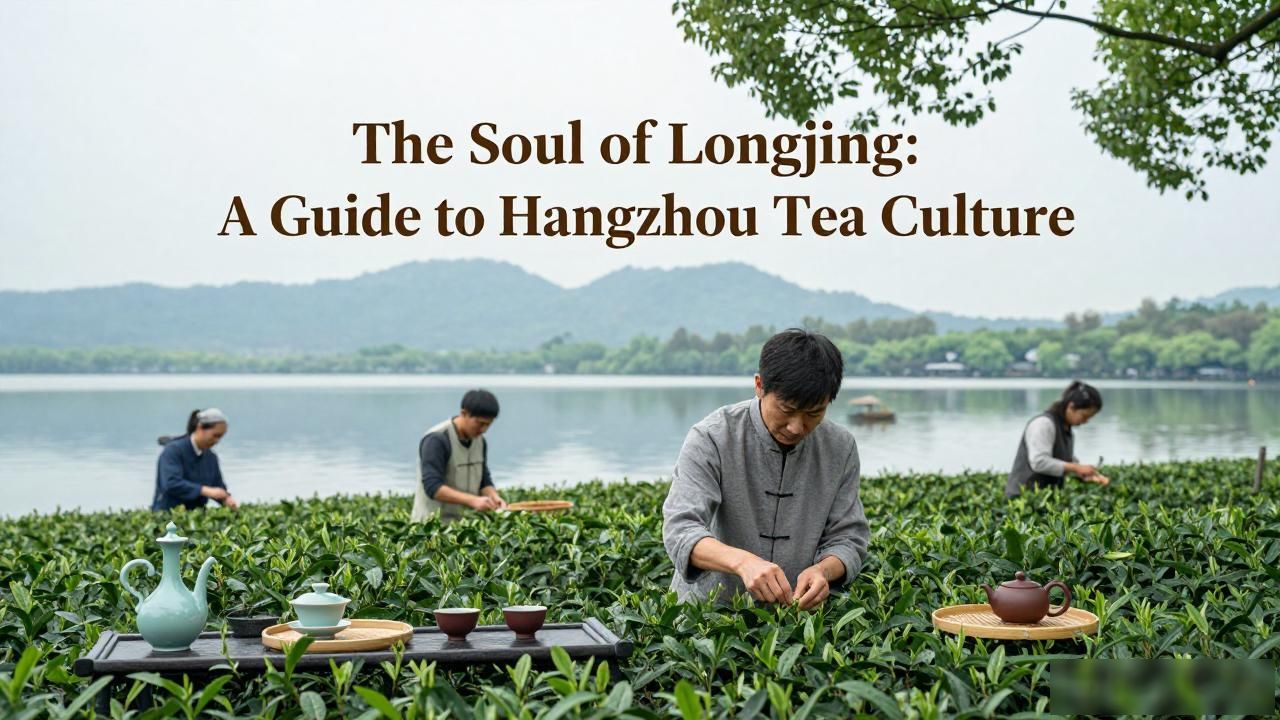
This daily practice is deeply rooted in the agricultural cycles of the region. The harvest of the first flush of tea leaves, known as “Mingqian,” occurs just before the Qingming Festival. These early spring leaves are prized for their tenderness and unique chestnut aroma. Farmers carefully pluck them by hand, ensuring that only the finest buds make it to the market. The process preserves a connection to the land that is increasingly rare in modern industrial societies. By participating in this ritual, even briefly, one engages with a history that spans centuries, appreciating the craftsmanship involved in transforming a simple leaf into a cultural treasure.
Where can visitors best experience authentic tea traditions?
While many tourists flock to the famous brand-name shops in city centers, the most authentic experiences lie in the tea villages surrounding West Lake. Areas like Meijiawu and Longjing Village offer immersive environments where visitors can walk through emerald-green terraces under the shade of ancient trees. Here, you can observe the traditional pan-firing technique used to process the leaves, a skill passed down through families for generations. Watching the master’s hands move swiftly over the hot wok reveals the intensity and precision required to achieve the perfect flavor profile.
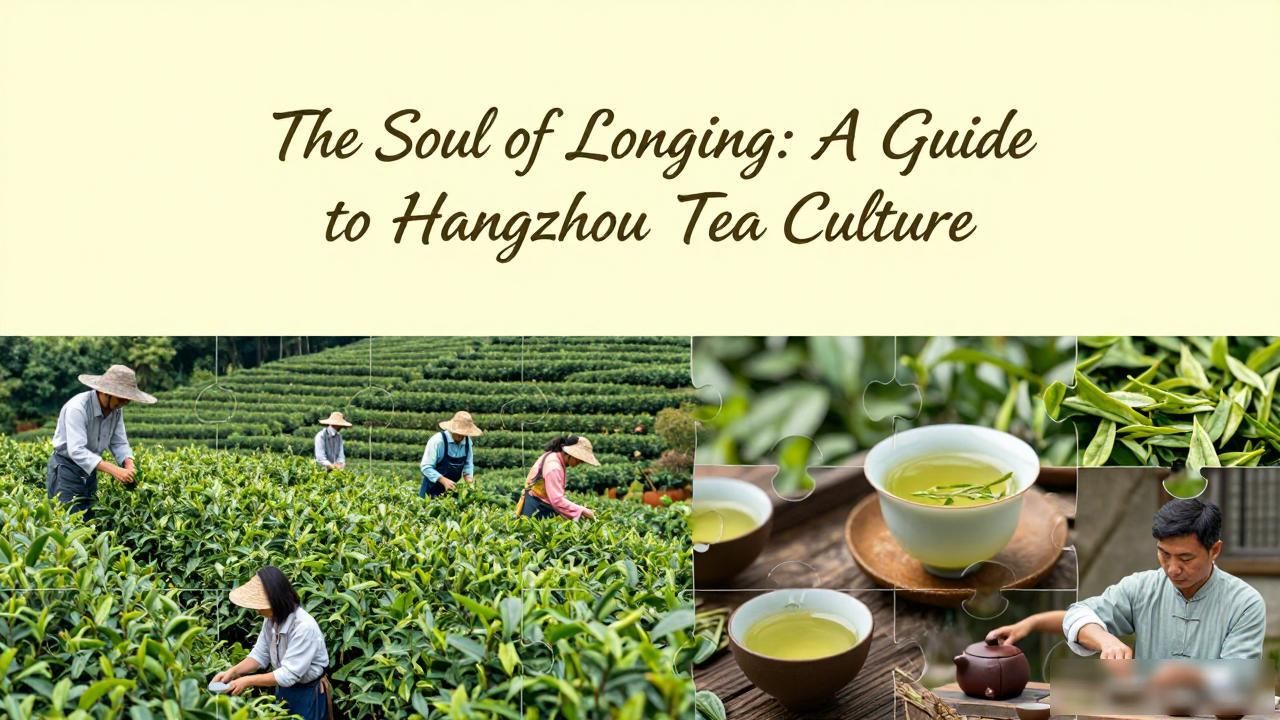
For a deeper engagement, consider joining a guided tasting session in a heritage teahouse. These establishments often feature classical architecture, with wooden beams and stone courtyards that echo the past. Experienced tea masters will explain the nuances of different harvest times and processing methods, allowing you to distinguish between the subtle variations in taste and aroma. This educational aspect transforms a simple cup of tea into a sensory journey, highlighting why Hangzhou remains a pilgrimage site for tea lovers worldwide. It is an invitation to pause, reflect, and savor the fleeting beauty of the moment.