
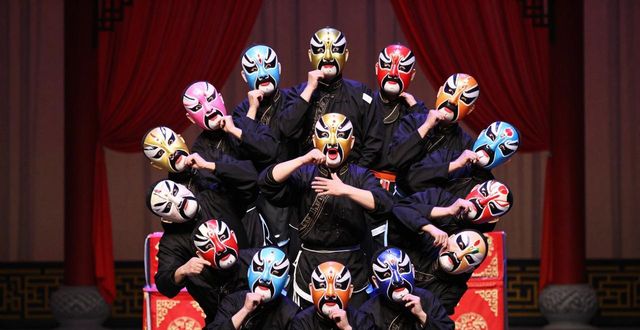
Have you ever watched a performer on stage flick their hand across their face and instantly swap a fierce red mask for a gentle blue one, leaving you wondering if you just saw magic? That is the breathtaking art of Bian Lian, or face changing, in Sichuan Opera. More than just a quick trick, this ancient performance technique is a cultural treasure that combines acting, dance, and centuries-old secrets. For many foreigners, it can feel like watching a live-action puzzle—how does the performer change masks so many times without anyone noticing? In this article, we’ll uncover the history, the hidden mechanics, and the modern appeal of this dazzling Chinese art form.
How many masks can a performer change in one show

Most professional Sichuan Opera face-changing artists can change between 10 and 20 masks during a single performance, though some masters have been known to swap over 30 masks in just a few minutes. Each mask represents a different emotion—surprise, anger, joy, or sadness—and the rapid transitions tell a story without words. What makes this even more impressive is that the performer is often dancing, spinning, or even singing while executing these changes. The audience is left guessing whether the next face will reveal a hero or a villain, keeping everyone on the edge of their seat.
What are the hidden techniques behind face changing
The exact methods are protected as state secrets in China, but experts and observant fans have identified several core techniques. The most common is the “pulling mask” method, where thin strings or threads are attached to each mask and then hidden under the costume. When the performer flicks a hand,bends down, or even just blinks, they pull a specific string to remove the top mask and reveal the one beneath. Another technique uses fine dust or powder that is blown onto the face to change colors gradually. Skilled performers also use props like fans, scarves, or sudden body twists to mask the quick hand movements, making the change appear truly magical.
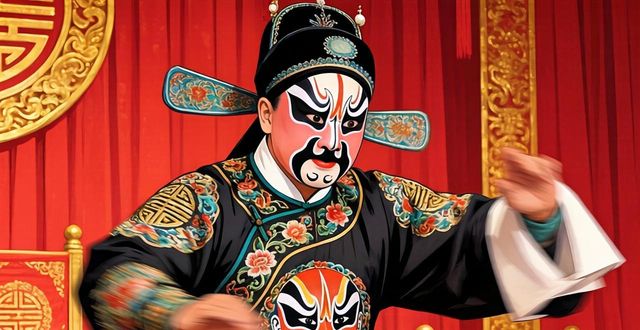
Why does the performer wear such specific costumes
The elaborate costumes are not just for show—they are essential tools for the illusion. The robes have hidden pockets, loops, and channels where dozens of thin silk masks are stacked and stored. Every fold and layer is designed to allow the performer to reach a string or release a mask without breaking their pose. The sleeves are often extra long, not only for traditional elegance but also to cover the fingers while they tug threads. The tall hats and headpieces can hide additional masks or release powders. Without this specially tailored clothing, even the most skilled artist could not pull off more than two changes. So when you see rich embroidery and flowing fabrics, remember that each stitch has a purpose beyond beauty.
Is Sichuan Opera face change performed outside China
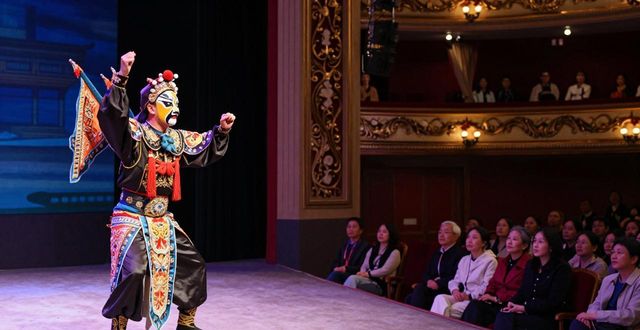
Yes, this unique art has traveled to festivals, theaters, and cultural events around the world. From the Edinburgh Festival Fringe to Broadway special performances, Chinese troupes have amazed international audiences for decades. Many Western magicians and theater directors have studied the movements and timing, trying to reverse-engineer the methods. However, because the core techniques are still closely guarded, authentic performances remain a rare treat. If you live in a major city like London, New York, or Sydney, keep an eye on cultural exchange events or Chinese New Year celebrations—you might just catch a live face-changing show.
Now that you know a bit of the mystery behind the masks, which part of Sichuan Opera face change surprised you the most? Drop your thoughts in the comments, give this article a like if you learned something new, and share it with a friend who loves hidden art secrets.