
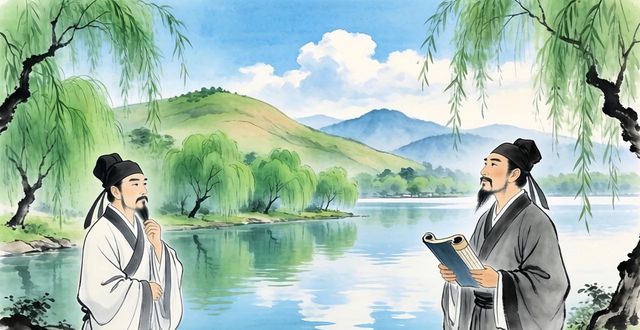
West Lake is not just a body of water in Hangzhou – it is a living poem shaped by over a thousand years of Chinese art, literature, and philosophy. For foreign visitors, understanding its poetic charm means moving beyond postcard views and discovering the deeper cultural layers that have inspired emperors, scholars, and monks. This guide will help you see the lake not as a tourist spot, but as an unfolding verse.
Why is West Lake so poetic

The poetic charm of West Lake comes from the perfect balance between nature and human emotion. Unlike dramatic mountains or wild coasts, the lake’s gentle hills, willows, and calm water create a quiet beauty that invites reflection. Chinese poets like Bai Juyi and Su Dongpo served as local governors and wrote hundreds of poems here. They saw the lake as a mirror of the heart – misty on sad days, bright on joyful ones. This emotional connection makes every walk around the lake feel like turning pages of a living anthology.
Best spots to feel the poetic charm
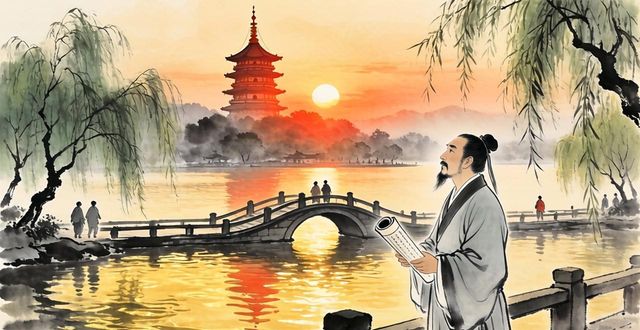
Lingering Snow on Broken Bridge is not about snow alone – it is about the moment snow melts unevenly, creating the illusion of a broken bridge. The name itself is a poem. Flower Harbor delights visitors with huge carps swimming under lotus leaves, a scene that inspired the saying “fish enjoy themselves, so do I.” Leifeng Pagoda offers the famous sunset view that ancient painters tried to capture for centuries. But do not rush. Sit on a stone bench, watch the reflections ripple, and let the place speak to you slowly.
How to experience West Lake like a poet
Wake up at dawn before the crowds arrive. The lake at 6 a.m. is completely different – fishermen cast small nets, elderly locals practice tai chi under banyan trees, and a thin mist hangs over the water. Rent a bicycle or simply walk the 15-kilometer path around the lake. Stop at a tea house on Solitary Hill, order a cup of Longjing tea, and read a translated poem by Su Dongpo. He wrote: “The lake is like the beauty Xi Shi, always charming whether plain or adorned.” That is the secret – the charm changes with weather, season, and your own mood.
When to visit for the best poetic views
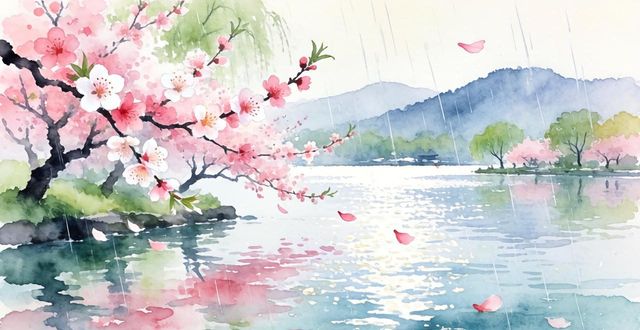
Spring brings peach blossoms and light rain, which softens all colors into a watercolor painting. Summer is hot but rewarding – the lotus flowers in Yue Fei Temple’s pond are unforgettable. Autumn offers clear skies and the moon reflected three times in the lake, a famous sight at Moon over the Peaceful Lake. Winter is the least crowded; if you are lucky to see snow,the entire landscape turns into a classic ink wash painting. No season is wrong, but each gives you a different poem.
What is the most poetic scene you have ever encountered in nature, and how did it change your mood that day? Share your story in the comments – and if you found this guide helpful, give it a like and pass it to a fellow traveler.