

Navigating China as a foreigner used to feel like solving a puzzle without the picture on the box. But after multiple trips and countless lessons learned the hard way, I’ve built a small toolkit of apps that transformed frustrating mornings into smooth experiences. You don’t need every app on your phone—just the right ones for your situation. Whether you’re a solo backpacker, a business traveler, or a family exploring with kids, certain apps make all the difference between a stressful trip and one you actually enjoy.
Which China apps help foreigners pay and navigate?

Most visitors arrive with one major panic: how do I pay for things without cash? Alipay and WeChat Pay are the answers, but setting them up can be confusing. I kept trying to register with my foreign passport and got stuck at every turn. The breakthrough came when I discovered that binding an international credit card to Alipay works smoothly now. You can use it at supermarkets, ride-hailing services, and even street food stalls.
For navigation, Baidu Maps and Amap are far more accurate than Google Maps in China. The English versions are limited, but both have basic English interfaces. I learned to take screenshots of my destination and show them to taxi drivers. A downloaded offline map from Amap saved me during a power outage in Chengdu—I could still find my hostel without cell service. Don’t underestimate this simple trick; phone batteries die faster when you’re constantly using GPS.
What apps handle translations and food orders?
Translation is where most first-time visitors stumble, and it’s not just about language. Understanding menu photos and daily conversations requires more than a dictionary app. Baidu Translate and its voice feature have improved dramatically. I used it to ask a noodle shop owner about spice levels and managed to have a full conversation. It won’t be perfect, but locals appreciate the effort and usually respond with patience.
When it comes to ordering food, Meituan and Ele.me are indispensable. These food delivery apps also work inside restaurants for QR-code ordering. Yes,the menus are entirely in Chinese, but the pictures tell the story. I developed a system of pointing at photos I liked and confirming the price before ordering. Some of the best meals of my trip came from these apps—far better than what I found at tourist-trap restaurants near famous sites.
Which apps cover trains and cultural experiences?
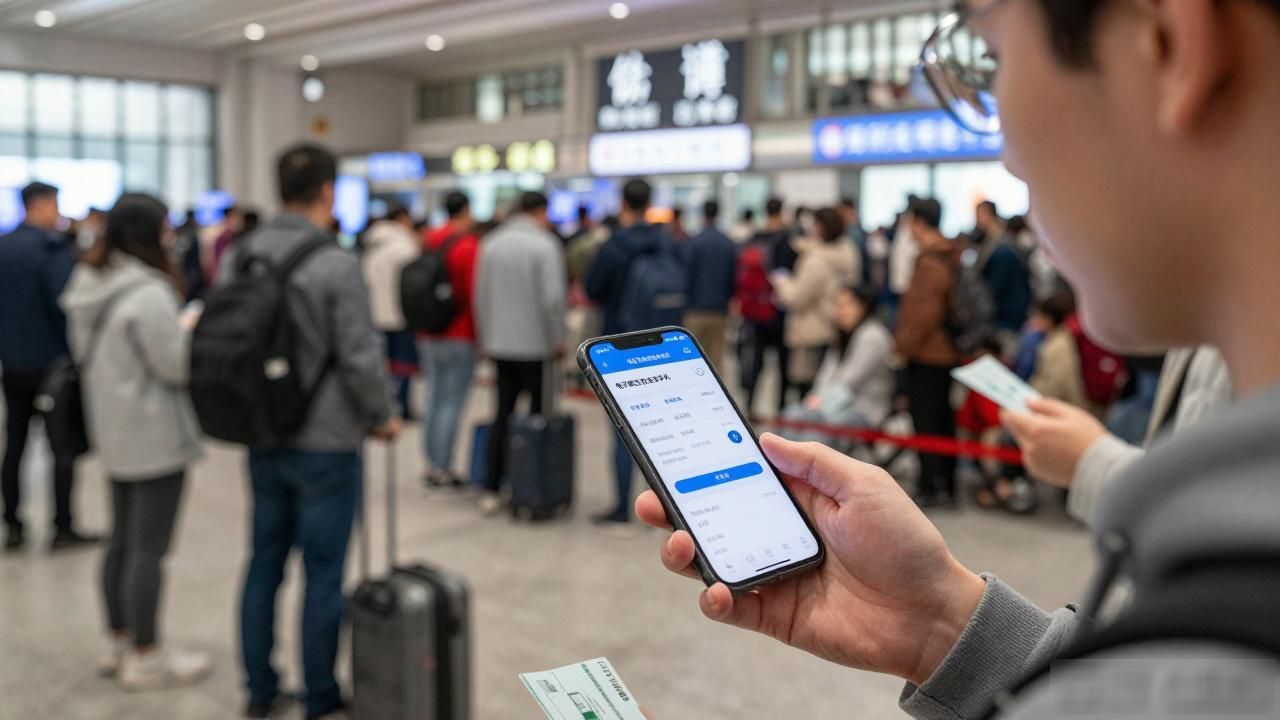
Buying train tickets used to mean standing in line for hours. solved this for me completely. The app supports international credit cards and sends e-tickets directly to your phone. I booked dozens of train journeys through it, including last-minute changes. The English interface removes nearly all the anxiety from domestic travel logistics. One tip: book at least three days ahead for popular routes during holidays, or you will not get a seat.
For discovering local culture, Dianping is like having a Chinese Yelp on steroids. It reviews everything from massage parlors to karaoke rooms to hair salons. I used it to find a traditional tea house in Hangzhou that had zero English mentions online. The app shows photos, prices, and real customer reviews in Chinese, but the visual cues are enough to make confident choices. Learning to browse this app opened up a whole layer of the city that guidebooks simply never reach.