
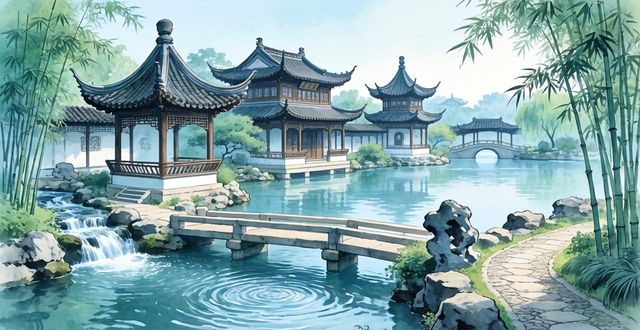
Suzhou Gardens, known as the epitome of classical Chinese landscape design, offer a unique experience where water is not just an element but the very soul of the garden. For international travelers, understanding these water features is key to appreciating the harmony and philosophy behind these UNESCO World Heritage sites. This article explores why water is so vital and how its design creates timeless beauty.
Why Is Water So Important

Water in Suzhou Gardens represents life and natural flow. Unlike Western gardens that often use symmetrical ponds or fountains, Chinese gardens mimic natural streams and lakes. This design reflects the Taoist belief in harmony with nature, where water moves gently and quietly. Visitors often feel a sense of calm because the water features are integrated with rocks, plants, and pavilions,creating a balanced ecosystem that feels organic rather than man-made.
How Do Gardens Achieve Tranquility
The secret lies in the careful arrangement of still water surfaces and subtle movements. For example, the Humble Administrator’s Garden uses large ponds dotted with lotus leaves, while the Lingering Garden creates narrow winding streams that disappear around corners. These designs block noisy city sounds and reflect the sky, trees, and architecture, doubling the visual space. The reflections change with seasons and weather, offering a new experience every visit, which keeps tourists engaged and photographers busy.
What Can Visitors Look For
Next time you visit, pay attention to three details: bridges, pavilions near water, and rockeries. Low, zigzag bridges force you to slow down and look at the water below. Pavilions built close to the pond’s edge let you sit and watch koi fish swim peacefully. Also, note how large太湖 rocks are placed to seem like mountains rising from the water, a classic trick to make the garden feel larger. These features are not random but carefully planned to guide your eyes and steps.
How to Appreciate the Design
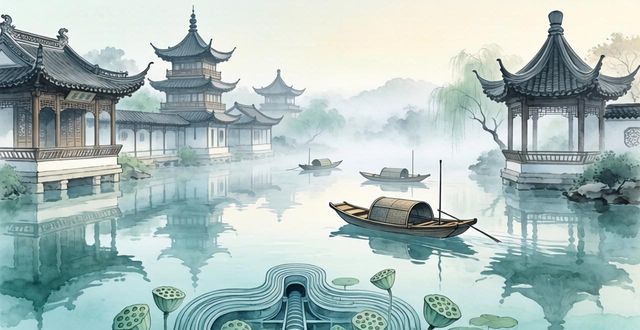
To fully enjoy Suzhou’s water gardens, visit early in the morning when the water is still and boats are few. Spend at least ten minutes at one spot, watching how light changes the water’s surface. Look for hidden drains that keep water clear without modern pumps—ancient engineers used lotus roots to filter naturally. If you’re lucky, you might see gardeners clean the pond with long nets, continuing traditions hundreds of years old. This hands-on maintenance keeps the water features alive and authentic.
Which Suzhou garden’s water feature would you most like to see in person, and why? Share your thoughts below and don’t forget to like this article if you found it helpful for your travel plans!