
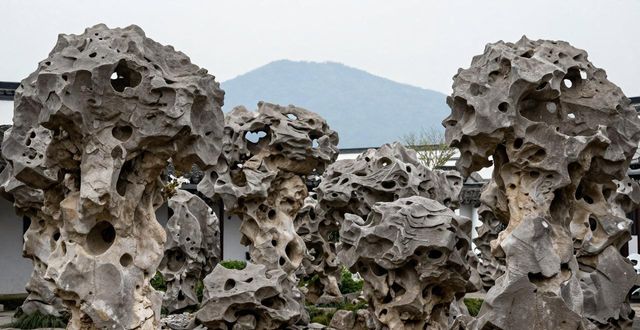
Suzhou’s classical gardens are famous worldwide for their poetic landscapes, but one element often puzzles visitors: the rockeries. These sculptural piles of limestone are not just decorations. They represent mountains, islands, and even immortality in Chinese philosophy. Understanding rockeries is the key to unlocking the deeper beauty of gardens like the Humble Administrator’s Garden or the Lingering Garden. Let me walk you through their meaning, craftsmanship, and how to truly appreciate them.
Why are rocks so important in Suzhou gardens

In traditional Chinese culture, rocks symbolize the wild, untamed nature that contrasts with orderly human life. Garden designers believed that placing a single strangely shaped rock could bring the spirit of distant mountains right into a city courtyard. Moreover, the famous Taihu rocks, with their thin, wiry shapes and hollows, represent the Taoist idea of immortality. Every wrinkle and hole tells a story of water erosion over thousands of years. For Chinese scholars, owning such a rock was like owning a piece of nature’s soul.
How to spot a masterpiece rockery
Not all rockeries are created equal. Start by looking at the rock’s four essential qualities: thinness (shou), openness (tou), transparency (tou), and wrinkling (zhou). A high-quality Taihu rock should twist upward like a dancer, with holes that let light and air pass through. You can even try tapping it—good rocks produce a metallic ring. Also, pay attention to the arrangement. In master gardens, rocks are never placed randomly. They form peaks, caves, and winding paths that imitate real mountain ranges, often using the “borrowed scenery” technique to blend with distant pagodas.
The lost art of stacking rocks by hand
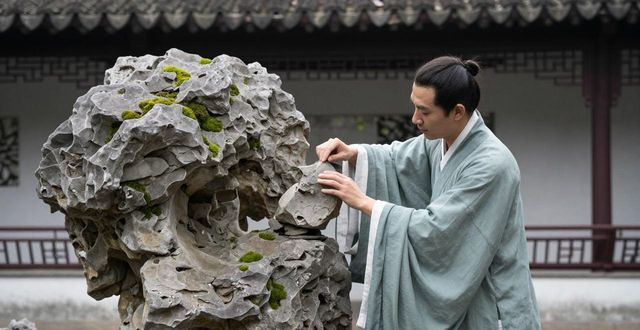
What you see today is the result of a dying craft. Master rock stackers, or “die shan jiang,” trained for decades to balance stones without modern tools or mortar. They relied on intuition, gravity, and interlocking joints. Each rock was lifted and rotated dozens of times until it clicked perfectly. Sadly, many original rockeries collapsed over centuries, and only a few living masters remain. The rockeries in the Lion Grove Garden are a stunning example—they form a maze of peaks and caves that feels both playful and sacred. Next time you walk through, imagine the human effort behind every stone.
What visitors often miss about rock formations
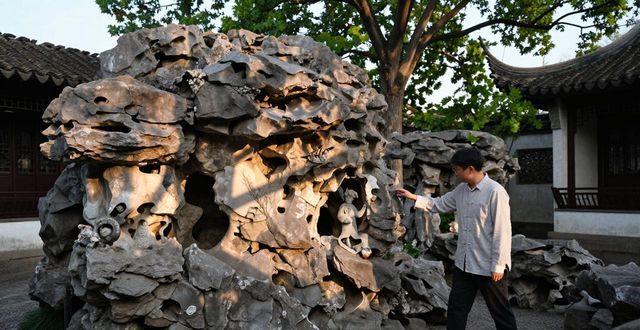
Most tourists take a quick photo and move on. But the real magic happens when you slow down. Look for “hidden faces” in the rocks—scholars loved finding animal shapes or human profiles. Also, notice how the view changes with the light. Morning shadows make the rocks look sharp and mysterious, while sunset softens them into distant mountains. Another trick: stand at different angles. A rock that looks flat from one side may reveal a deep cavern from another. Finally, listen to the sound of wind passing through hollows. It was designed to mimic a mountain breeze. These small details turn a simple stone into an ever-changing painting.
Before you leave, I’d love to hear from you: Have you ever discovered a hidden face or a special shape in a Suzhou rockery? Share your story in the comments below—and don’t forget to like and share this guide with fellow garden lovers!