
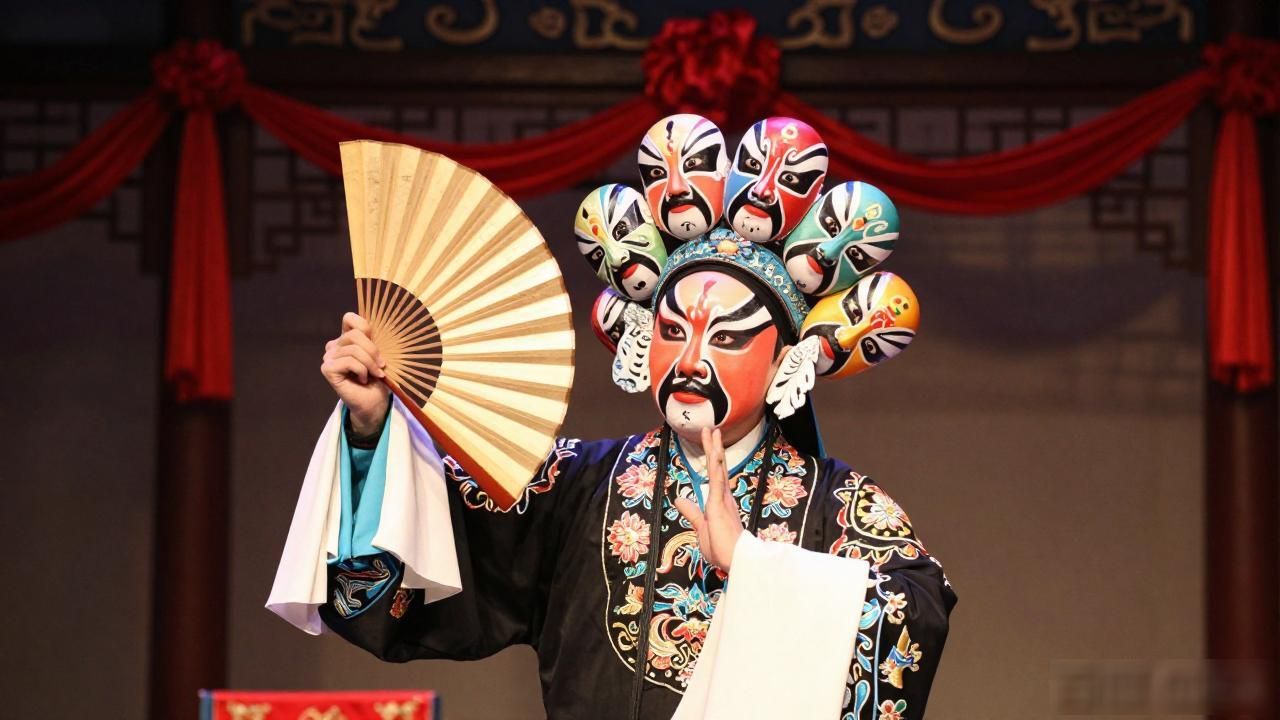
Sichuan Opera is far more than just a regional theatrical performance; it is a living museum of Chinese cultural identity, renowned globally for its unique blend of music, acrobatics, and dramatic storytelling. At the heart of this vibrant art form lies the legendary “Bian Lian” or face-changing technique, a spectacle that has fascinated audiences for centuries. This heritage represents a delicate balance between ancient ritualistic roots and modern artistic innovation, preserving the soul of Southwest China while captivating international viewers. Understanding this heritage requires looking beyond the masks to grasp the rigorous discipline, historical context, and emotional depth that define the performers’ craft.
How Does Sichuan Opera Face Changing Work?

The illusion of instant facial transformation is achieved through a combination of meticulously crafted silk masks, specialized materials like velvet or plastic, and, most importantly, masterful physical manipulation. Performers utilize subtle hand movements, head turns, and fan flicks to swap layers of masks in fractions of a second. This technique was originally developed during wartime to allow spies to change identities quickly, but it evolved into an artistic expression of character emotion and plot progression. The speed and precision required are immense, with some masks being switched so rapidly that the human eye struggles to track the movement without prior knowledge of the mechanics involved.
Beyond the visual trickery, the underlying philosophy emphasizes the connection between external appearance and internal state. Each color and pattern on the mask carries specific symbolic meanings, ranging from loyalty and bravery to treachery and cunning. When a performer changes their face, they are not merely altering their look but signaling a profound shift in the narrative or the character’s psychological landscape. This symbolic language allows the audience to follow complex storylines even when the dialogue is lost in translation, making the art form universally accessible and deeply engaging.
Why Is Sichuan Opera Heritage Important Today?
In an era dominated by digital media and fast-paced entertainment, traditional arts like Sichuan Opera face the challenge of remaining relevant to younger generations. Preserving this heritage is crucial because it offers a tangible link to China’s diverse cultural tapestry, showcasing regional dialects, folk music, and historical values that might otherwise fade away. The intangible cultural heritage status granted to Sichuan Opera highlights its value not just as tourism entertainment, but as a vital component of national identity and social cohesion. Without active preservation efforts,the nuanced skills passed down through generations risk being lost to commercialization or neglect.
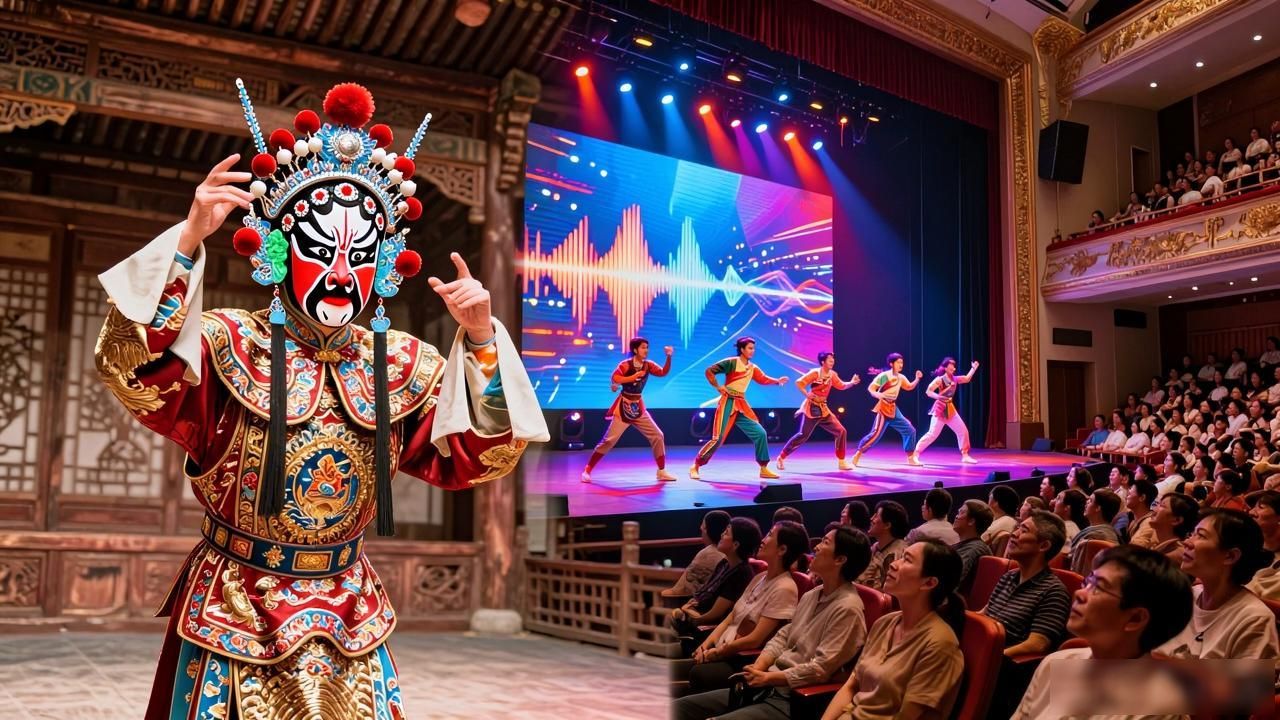
Modern adaptations are playing a key role in revitalizing interest in this classic art form. Contemporary troupes are experimenting with new staging techniques, shorter performances, and collaborations with modern music genres to attract global audiences. These efforts ensure that the core essence of Sichuan Opera remains intact while making it more approachable for international viewers. By supporting these initiatives, we help sustain the livelihoods of artisans and performers, ensuring that the vibrant traditions of Sichuan continue to thrive and inspire future generations around the world.