
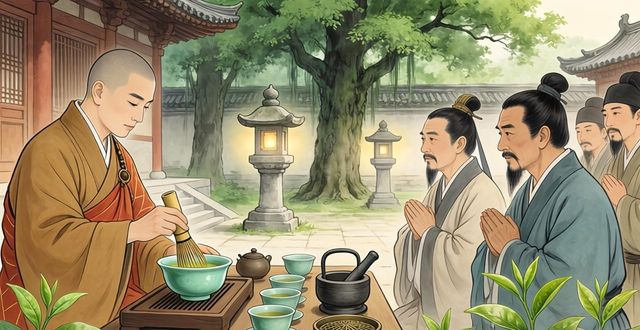
The tea ceremony is far more than just drinking tea—it is a profound cultural practice that has evolved over centuries, blending philosophy, aesthetics, and spirituality. From its obscure origins in ancient China to its refined forms in Japan and its global adaptations today, the history of the tea ceremony reveals how a simple beverage became a vessel for meditation, hospitality, and artistic expression. In this article, we will explore the key milestones of this journey, answering the most common questions that tea lovers and curious readers often ask.
What is the origin of tea ceremony

The roots of the tea ceremony trace back to Tang Dynasty China (618–907 CE), where tea was first transformed from a medicinal herb into a daily drink. Buddhist monks discovered that sipping tea helped them stay awake during long meditation sessions, and they began incorporating tea into their rituals. By the Song Dynasty (960–1279 CE), tea preparation had become an artistic performance, with powdered tea whisked in bowls—a practice that later inspired the Japanese matcha ceremony. During this time, scholar-officials held elegant tea gatherings, where they appreciated fine porcelain, recited poetry, and discussed philosophy. These early gatherings laid the foundation for the ceremonial aspects we recognize today, emphasizing mindfulness, respect, and simplicity.
How did tea ceremony develop in Japan
Tea culture crossed from China to Japan in the 12th century, brought back by Buddhist priests like Eisai, who praised tea for its health benefits. However, it was not until the 15th and 16th centuries that the Japanese tea ceremony, known as chanoyu or sado, fully blossomed under the influence of masters like Murata Jukō, Takeno Jōō, and Sen no Rikyū. Rikyū, the most famous figure, codified the principles of harmony (wa), respect (kei), purity (sei), and tranquility (jaku). He championed the wabi aesthetic—finding beauty in simplicity, rusticity, and imperfection. Instead of using lavish Chinese utensils, Rikyū preferred locally crafted rustic tea bowls, bamboo whisks, and small, humble tearooms. His reforms turned the tea ceremony into a spiritual discipline linked to Zen Buddhism, where every movement, from folding the cloth to sipping the tea,was deliberate and meaningful.
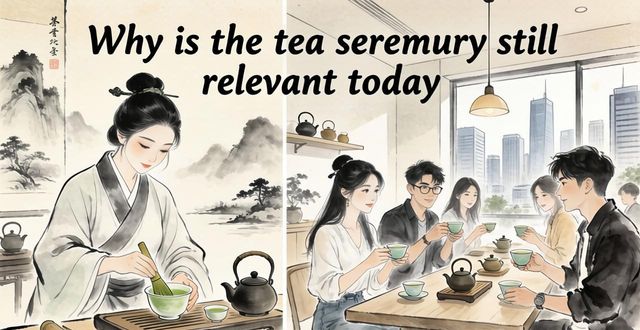
Why is the tea ceremony still relevant today
Even in our fast-paced digital age, the tea ceremony continues to attract people worldwide for its calming and mindful qualities. In Japan, it is practiced by millions as a way to cultivate discipline, etiquette, and inner peace. Outside Asia, tea ceremony schools have opened in major cities like London, New York, and Sydney, drawing students who seek refuge from stress. Modern practitioners often adapt traditional rules to fit contemporary lifestyles—for example, using smaller spaces or integrating local tea varieties. Moreover, the core values of the tea ceremony—respect for others, appreciation of the moment, and simple elegance—resonate deeply with the slow living and mindfulness movements. It offers a hands-on way to disconnect from screens and reconnect with human connection and nature.
What are the key elements of a tea ceremony
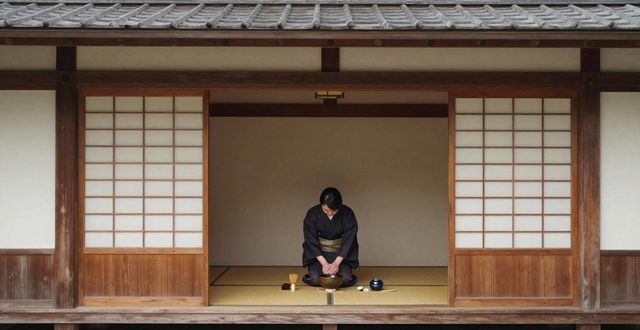
Understanding the basic components of a tea ceremony helps demystify this ancient practice. First, the tea room (chashitsu) is typically small, with a low entrance that forces guests to bow, symbolizing humility and equality. Second, the utensils—including the tea bowl (chawan), tea whisk (chasen), tea scoop (chashaku), and cloth for wiping—are chosen seasonally and often have poetic names or histories. Third, the preparation follows a strict sequence of movements, such as heating the water, cleaning the bowl, whisking the powdered tea, and serving it with a bow. Guests respond by admiring the bowl, turning it to avoid drinking from its front, and complimenting the host. Each gesture carries meaning, from showing gratitude to acknowledging impermanence. While rules seem intricate, they are designed to create a smooth, beautiful, and heartfelt exchange.
Have you ever participated in a tea ceremony or tried to create your own quiet tea ritual at home? Share your experience in the comments below, and don’t forget to like and share this article with fellow tea enthusiasts!