
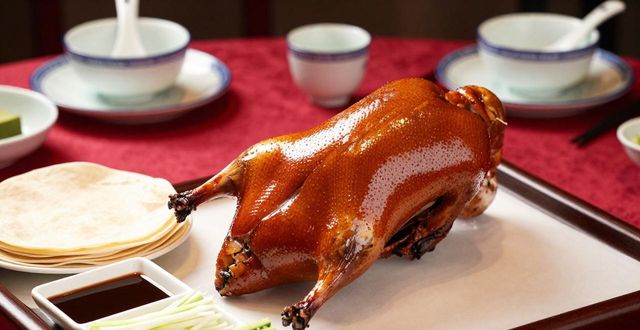
When it comes to Chinese food, most foreigners know Cantonese dim sum or Sichuan spicy hotpot. But Beijing cuisine, the food of China’s ancient capital, offers something entirely different. It is bold, hearty, and deeply tied to the city’s imperial history and northern climate. If you are visiting Beijing and want to eat like a local, understanding this cuisine is essential. Beijing food is not about delicate flavors—it is about meat, wheat, and preserved vegetables, born from long winters and royal kitchens.
Is Beijing cuisine all about Peking duck

Many people assume Beijing cuisine equals Peking duck. Yes, this dish is the star, but it is far from the whole story. A perfectly roasted Peking duck has crispy skin and tender meat, served with thin pancakes, sweet bean sauce, and slivers of scallion and cucumber. The ritual of wrapping the duck yourself and eating it by hand is part of the experience. However, real Beijing food culture includes many dishes you will not find in tourist restaurants. Zhajiangmian, or noodles with fried sauce, is a daily staple. Thick wheat noodles are topped with a rich sauce made from fermented soybean paste and minced pork, then finished with fresh cucumber and bean sprouts. It is simple, filling, and deeply satisfying.
What do locals actually eat for breakfast
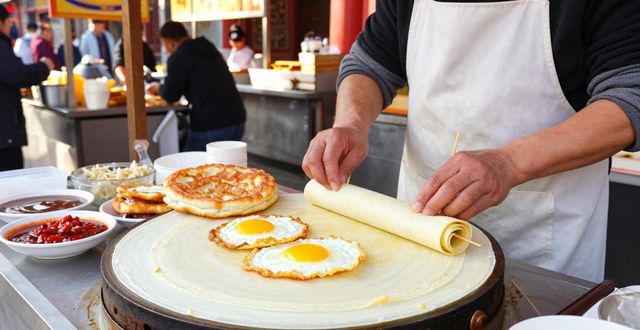
Beijing breakfast is a world of its own, and it can be surprising for foreigners. The most common breakfast is jianbing, a crispy crepe made from mung bean batter, spread with egg, folded around a crunchy fried cracker, and brushed with hoisin and chili sauce. You can find jianbing carts on nearly every street corner in the morning. Another morning favorite is youtiao, deep-fried dough sticks,often dipped into warm soybean milk, either sweet or salty. For those who want something heavier, there is baozi, steamed buns stuffed with pork or vegetables, or shaobing, a baked sesame flatbread often filled with beef or egg. The breakfast scene shows how Beijingers value filling, fast meals before the workday starts.
How does the climate affect Beijing food
Beijing has cold, dry winters and hot summers, and the cuisine adapts accordingly. In winter, locals turn to hotpot, but not the spicy Sichuan kind. Beijing-style hotpot uses a copper pot with a clear broth, focusing on thinly sliced lamb, sesame sauce, and pickled garlic. The meal is warming and communal, perfect for gathering around a table during freezing weather. In summer, cold noodles and light vegetable dishes become popular. A classic summer dish is mianpi, cold wheat noodles served with cucumber, bean sprouts, and a tangy vinegar dressing. Another is suanlajifen, sour and spicy jelly noodles, which are refreshing and almost jelly-like in texture. The seasonal changes mean that Beijing cuisine is never boring—each season brings its own specialties.
What are the must-try street foods
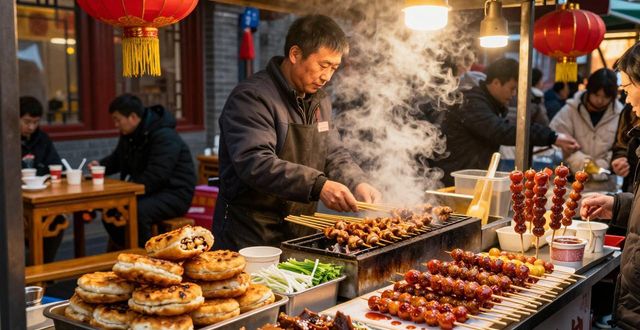
For adventurous eaters, Beijing street food offers unique flavors. A famous one is baodu, or quick-boiled tripe, served with a dipping sauce of fermented tofu and sesame paste. It is chewy and acquired but loved by locals. Another is lu da gun, a sweet dessert made from glutinous rice rolled in soybean flour and filled with red bean paste. It is soft, sweet, and surprisingly light. You can also try douzhi, a fermented mung bean drink that smells strong and tastes sour. Most tourists find it challenging, but Beijingers drink it with salted pickles as a traditional breakfast drink. If you want to play it safe, start with jianbing or shaobing. If you are bold, go for the tripe or the sour drink. Either way, street food gives you a real taste of how Beijingers eat every day.