
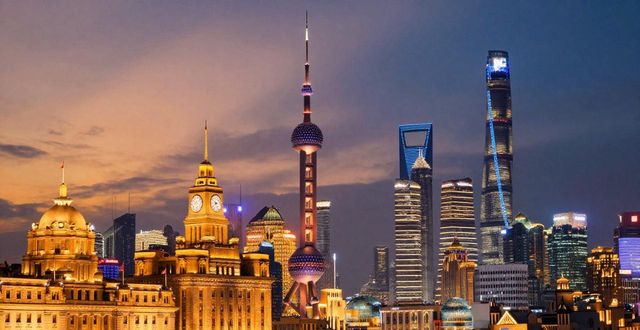
For centuries, the Bund has served as Shanghai’s most recognizable face—a half-mile stretch along the Huangpu River where colonial-era architecture meets futuristic skyscrapers. As someone who has guided hundreds of visitors through this living museum, I have seen firsthand how the Bund evolves while preserving its soul. Whether you are a first-time traveler or a returning expat, understanding the Bund’s layers of history, culture, and practical tips can transform a simple walk into an unforgettable journey. Let me share what makes this waterfront truly timeless.
What makes the Bund Shanghai so special at night

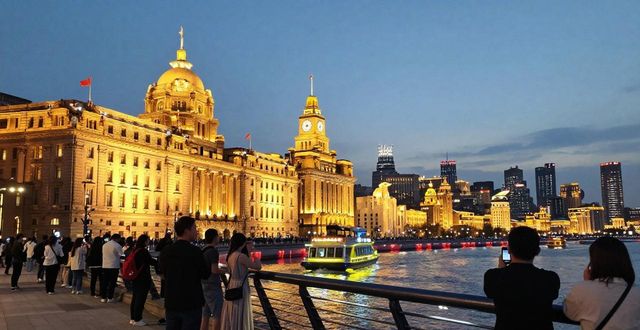
The Bund after dark is a completely different experience from daytime sightseeing. As the sun sets behind the historic buildings on the western side, the Pudong skyline across the river ignites with millions of LED lights. The Oriental Pearl Tower, Shanghai Tower, and Shanghai World Financial Center perform a synchronized light show that reflects off the water like dancing diamonds. Many visitors assume the best view comes from the Bund itself, but I always recommend crossing the river via the Bund Sightseeing Tunnel or Metro Line 2 to the opposite side. From Pudong’s滨江 promenade, you can capture the entire row of colonial-era customs house, Peace Hotel, and HSBC building glowing warmly against the night sky. Local photographers gather around 7 PM during summer months to catch the “blue hour” when the sky retains a deep sapphire tone.
Where to take the best photos on Bund Shanghai without crowds
Finding empty spots on the Bund seems impossible during peak seasons, but I have discovered several hidden angles that even seasoned photographers miss. Instead of fighting for space near the famous bronze bull statue, walk five minutes south toward the Yan’an Road intersection. The less crowded section near the former French Consulate offers unobstructed views of both the river and the iconic “Wan Guo Jian Zhu Qun” (Exotic Building Cluster). Another secret spot is the rooftop of the Shanghai History Museum, located right behind the Bund’s eastern side. For a small fee,you can access their observation deck where few tourists venture. Early mornings between 5:30 and 7:00 AM provide the most magical light and the smallest crowds—I once captured the sunrise reflecting off the glass of the Shanghai Tower with only three other people nearby. Weekdays in January and February also see dramatically lower foot traffic due to colder temperatures.
How much time should you spend exploring Bund Shanghai properly
Many tour groups rush through the Bund in 45 minutes, but that barely scratches the surface. To truly appreciate this UNESCO World Heritage candidate site, I recommend dedicating at least three to four hours. Start at 10 AM when the museums open—the Shanghai Bund History Museum inside the former Zhongshan Road police station contains original documents and photographs that explain how this muddy waterfront became the “Wall Street of Asia” in the 1930s. Then walk north to south, taking time to read the brass plaques on each building. The former Sassoon House (now Peace Hotel) still has its original 1929 Art Deco elevators, and you can ride them for free if you politely ask the doorman. Allocate one hour just for the waterfront promenade itself, sitting on the stone benches to watch the ferries and cargo ships glide past. Finally, cross to Pudong before dusk and stay until the lights fully turn on around 6:30 PM. This unhurried pace lets you absorb the layers of history rather than just collecting photos.
Why Bund Shanghai remains relevant for modern travelers beyond Instagram
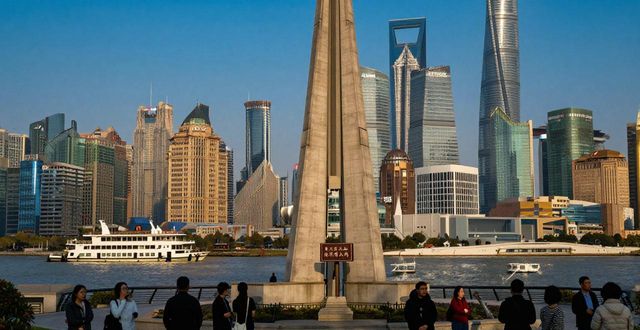
While social media has turned the Bund into a backdrop for influencers, its deeper value lies in how it connects China’s past with its present. Standing at the Huangpu Park memorial, where foreign powers once posted “No Chinese or Dogs Allowed” signs, you feel the weight of colonial humiliation. Yet turning around, the gleaming Pudong skyline represents China’s economic miracle within just three decades. Local residents still use the Bund for morning tai chi, evening dancing, and even wedding photos—it is not a frozen monument but a living public space. I often take visitors to the basement of the Peace Hotel, where a small jazz band has played the same 1940s American standards for over 40 years, with original band members still performing in their 80s. These authentic experiences remind us that the Bund is not just a place to see but a place to listen, feel, and connect with Shanghai’s resilient spirit.
Have you visited the Bund at a specific time of day or season that changed your perspective on this waterfront—and what unexpected detail caught your attention that most guidebooks miss? Share your story in the comments below, and if you found these tips helpful, please like and share this article with fellow travelers planning their Shanghai adventure.