
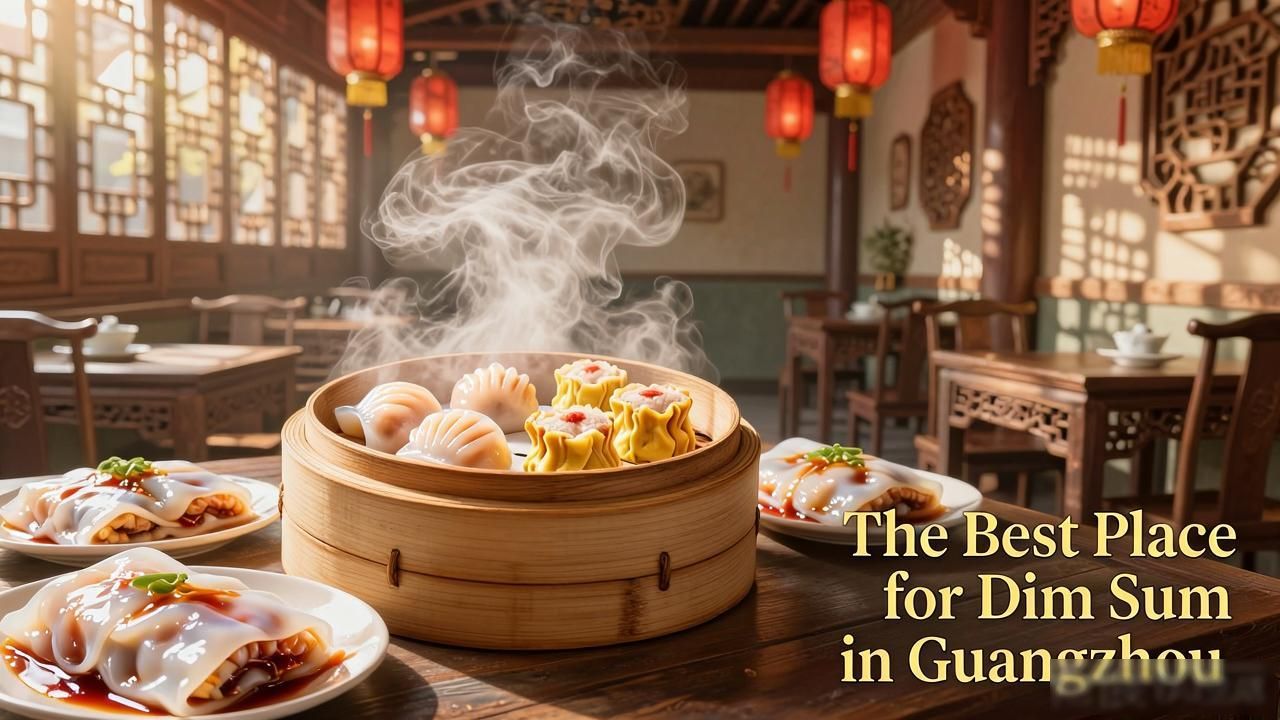
Guangzhou is not just the birthplace of dim sum—it’s where the ritual of morning tea, or yum cha, still feels sacred. Walking into a bustling tea house here is like stepping into a living tradition. The clatter of bamboo steamers, the aroma of jasmine tea, and the sight of families sharing small plates tell you everything you need to know. Dim sum in Guangzhou is not just food; it’s a daily ceremony that connects generations.

What makes dim sum in Guangzhou different from other cities
Many visitors expect dim sum to taste the same everywhere, but Guangzhou sets a standard that’s hard to match. The texture of a har gow wrapper here is thinner and more translucent, almost like a delicate silk pouch holding the shrimp inside. The siu mai is juicier, with a subtle sweetness from fresh pork and mushroom that you won’t find in chain restaurants abroad. The most loyal locals will tell you that the key is freshness—ingredients are sourced daily from nearby markets, and dumplings are made by hand every morning. Even the chili oil is house-made. If you’ve only had dim sum in New York or London, prepare for a surprise. The flavors here are cleaner, more balanced, and never drowned in soy sauce.
How to order like a local and avoid tourist traps
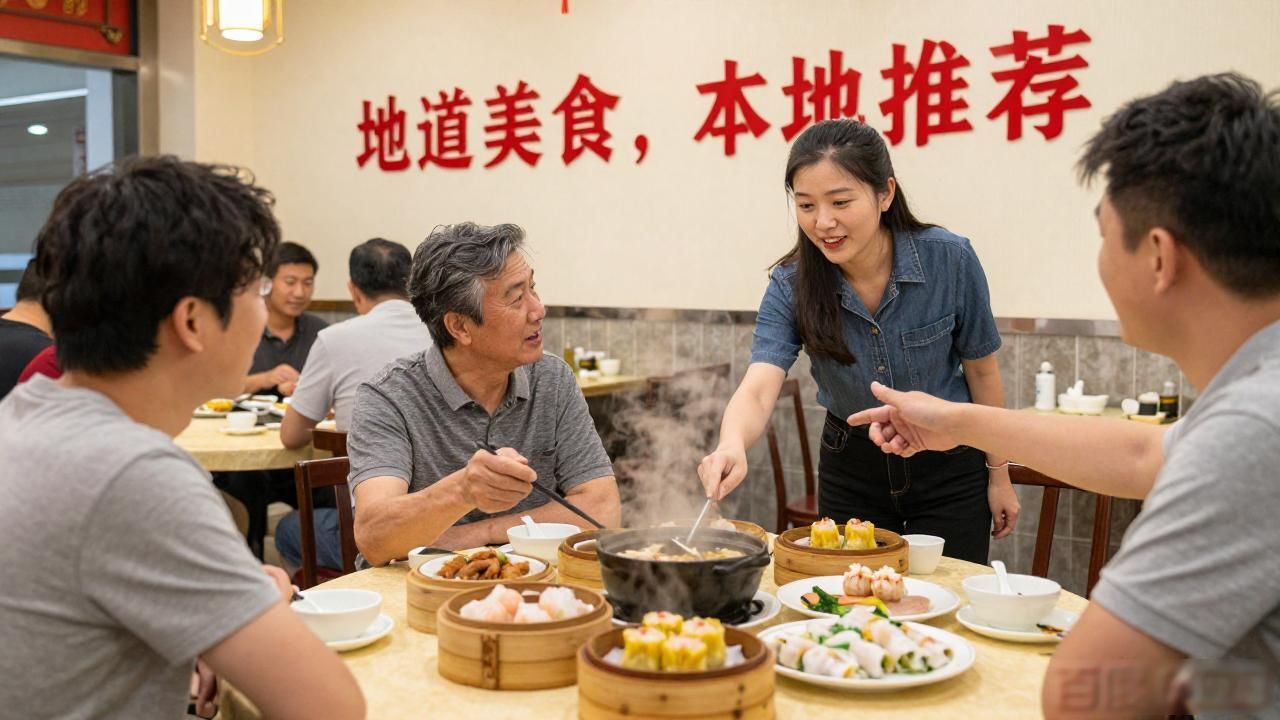
First, forget the idea of ordering every item at once. Locals start with tea—choose a light oolong or a fragrant jasmine—and sip while they browse the cart. Watch what the elderly tables are picking; they know which steamers just came out. Avoid restaurants that offer a fixed menu or push combo deals. The best dim sum houses, like those hidden in old alleyways near Liwan district, still use paper tickets that you mark with a pencil. Don’t skip the steamed rice rolls with shrimp or the deep-fried taro puffs—these are signature items that reveal a kitchen’s skill. And remember, a good dim sum meal takes at least two hours. If you’re in and out in thirty minutes, you’re probably in the wrong place.
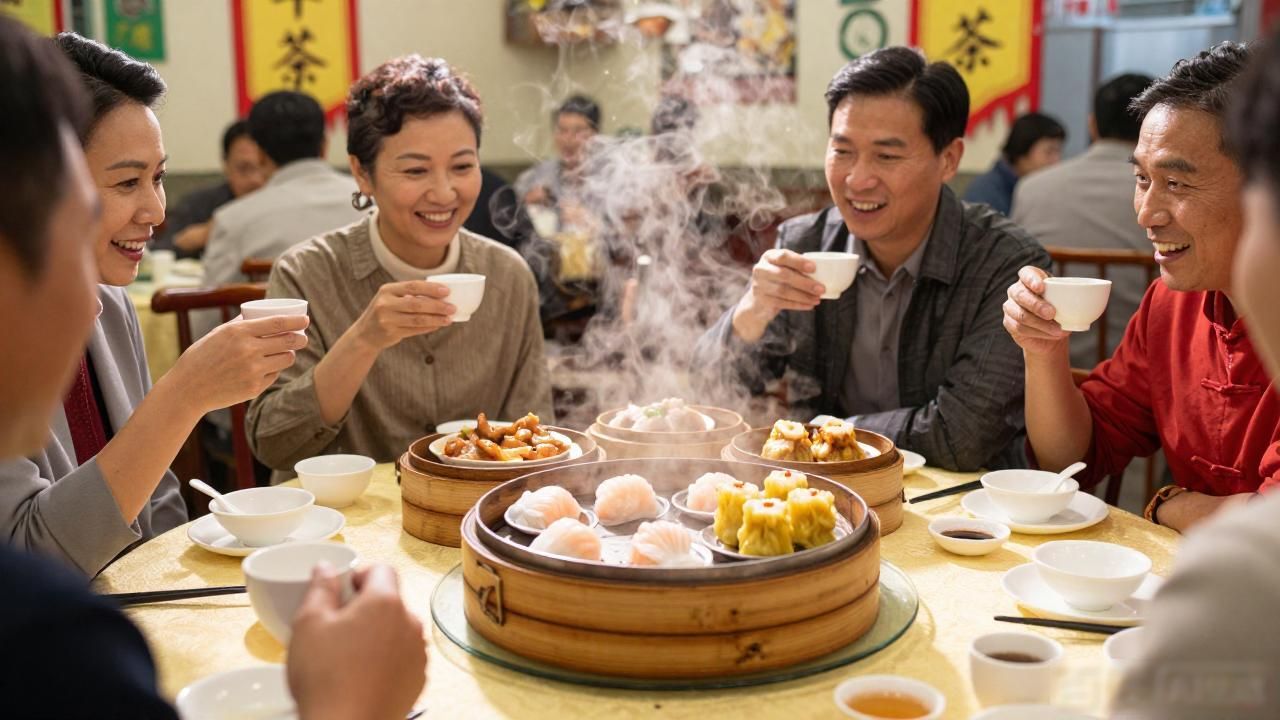
The beauty of dim sum in Guangzhou is that it rewards patience. Each small basket holds a story—of a chef who learned from his grandmother, of a recipe that survived wars and migrations. The city’s tea houses are loud,messy, and absolutely alive. No menu translation app can capture that feeling. Come hungry, stay curious, and let the steam guide you.