
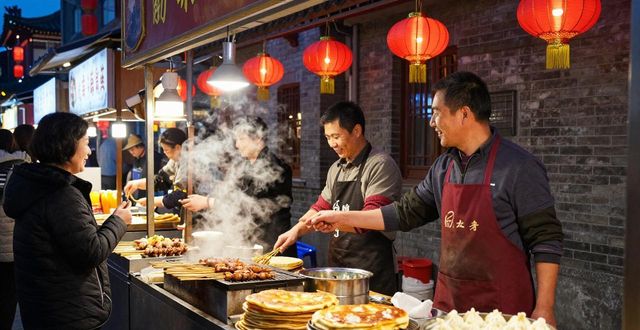
Chinese street food is more than just a quick bite — it’s a living, breathing part of daily life in cities and towns across the country. From sizzling skewers to steaming dumplings, these foods reflect local flavors, traditions, and the creativity of ordinary people. For travelers, it’s the most direct way to taste authentic China without stepping into a fancy restaurant.
What are the most popular Chinese street food dishes?
If you’re new to Chinese street food, start with the classics that you’ll find in almost every night market. Jianbing, a crispy crepe filled with egg, scallions, and hoisin sauce, is a breakfast staple that turns into a late-night snack. Chuan’r, or grilled lamb skewers dusted with cumin and chili, are everywhere from Beijing to Chengdu. You’ll also see vendors selling baozi, steamed buns stuffed with pork or vegetables, and tanghulu, candied fruit skewers that crunch with every bite.
These dishes are not just tasty — they’re cheap and fast, often made right in front of you. The vendors have been perfecting their recipes for years, sometimes generations. You can watch the oil bubble, smell the garlic, and see the steam rise. That experience is part of what makes street food so special.
Is Chinese street food safe to eat?
Many foreigners worry about food safety, but street food in China is generally safe if you choose wisely. Look for stalls with a long line of local customers — that’s a reliable sign of freshness and good quality. Street vendors often operate under local health regulations, and many have been in business for decades.

The trick is to eat where the food is cooked fresh, not sitting out for hours. Watch the vendor handle ingredients and cook them at high heat. Avoid anything that looks raw or has been sitting in the open too long. If you’re unsure, start with cooked favorites like fried dumplings, noodles in broth, or grilled skewers. Your stomach will thank you.
Many travelers find that street food is actually safer than some restaurant meals because you see exactly what goes into your dish. You control the spice level and ingredients, and you can watch the cooking process from start to finish. That transparency builds trust and makes the experience more enjoyable.
How to find the best Chinese street food vendors
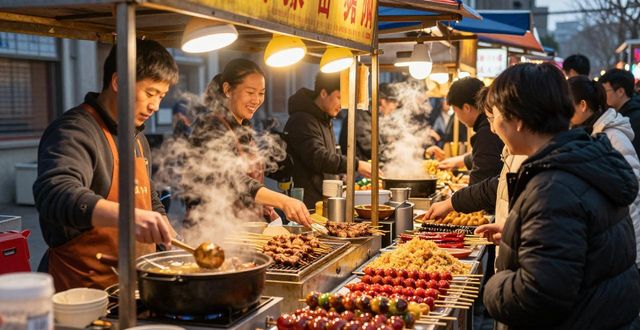
Finding great street food takes a bit of instinct. The best spots are usually near universities, night markets, and busy intersections. Walk around after sunset when streets come alive with food carts and stalls. Follow the crowds — if a vendor is busy, the food is probably worth trying.
Local food blogs and apps like Dianping can help you find highly rated stalls. But don’t ignore your senses. If you smell garlic and chili from a block away, follow that smell. Talk to vendors, even with simple words or gestures. Many are proud of their food and happy to recommend their best sellers. You might discover a dish you never knew existed.
The beauty of Chinese street food is its variety and accessibility. Every city has its own specialties, from Shanghai’s shengjian bao to Xi’an’s roujiamo. You don’t need a reservation or a big budget. Just bring cash,an open mind, and a healthy appetite.